FOOD PAIRING
01
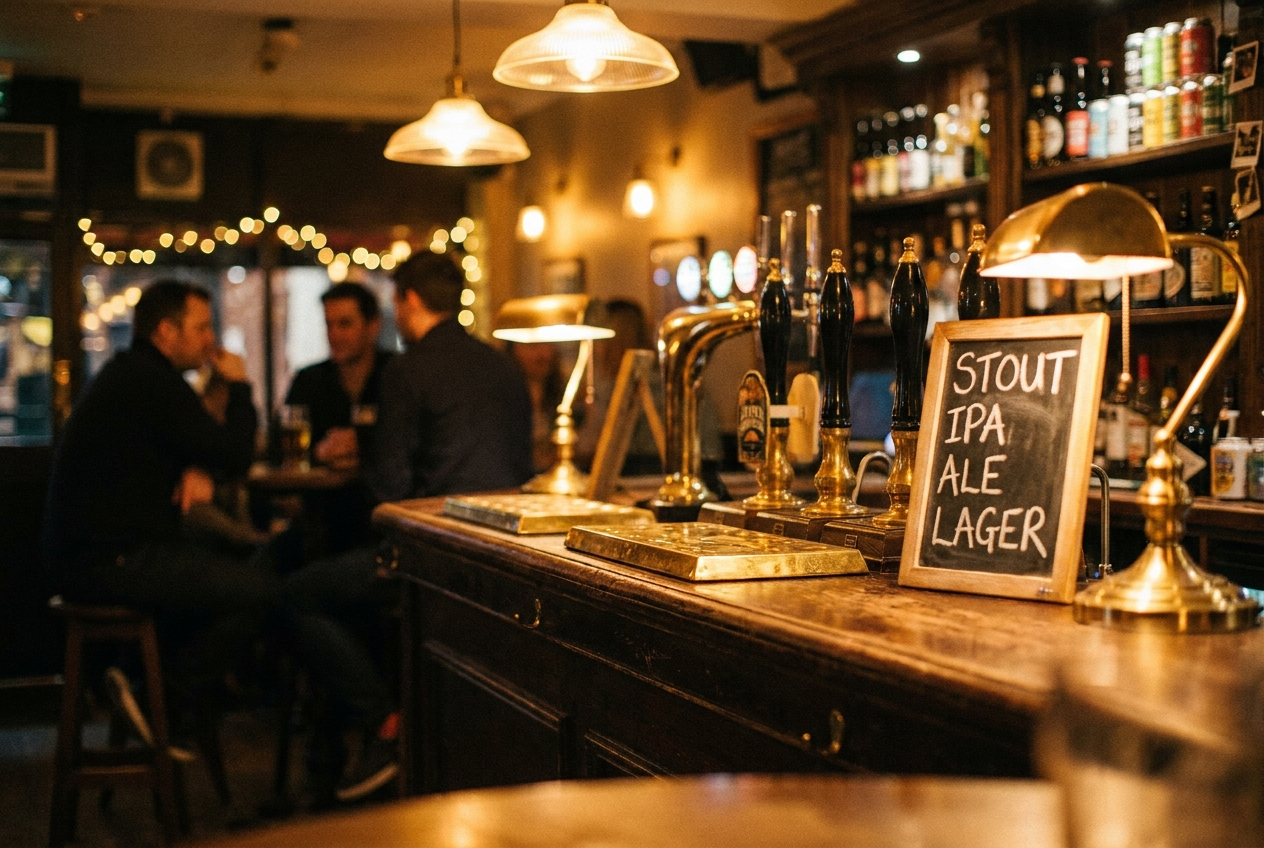
Craft beer describes how a brewery is built, not how a beer tastes. The Brewers Association defines an American craft brewer as less than 25% of the business is owned by a beverage-alcohol company that isn’t itself a craft brewer. Beyond that, craft brewers tend to lean on traditional ingredients while leaving themselves room to experiment.
Ask ten people what “craft beer” means and you’ll likely get ten different answers. Some point to hazy, fruit-forward IPAs. Others say anything sold in a can with an illustrated label counts. A few insist it has to taste unusual, or strong, or vaguely “handmade.” None of that is quite right, and getting the definition straight actually changes how you shop, order, and talk about beer.
The short version: craft beer is a description of a business, not a flavour. Once you understand that, a lot of confusion clears up fast, including at the folks at Craft Beer by Ki-setsu, where the whole point is showing drinkers how wide that category really is.
The most widely used definition comes from the Brewers Association, the American trade body for independent brewers. According to their definition, a craft brewer is small and independent. That’s it. There’s no clause about hop varieties, alcohol percentage, or how weird the label art is.
“Small” is about production volume. “Independent” is the part most drinkers never think about, and it’s arguably the more important one.
Under the Brewers Association definition, a brewery stops being independent the moment 25% or more of it is owned or controlled by a beverage-alcohol company that isn’t itself a craft brewer. Cross that line, and the size of the batches or the ingredients on the label don’t matter. The brewery no longer fits the definition.
This exists because ownership shapes decisions. Who controls the business affects what gets brewed, what gets cut, and who the beer is ultimately answering to. A brewery can still make genuinely good beer after an acquisition. But the “craft” label, in its original and most rigorous sense, is really a statement about who’s calling the shots, not a judgement on what’s in the glass.
Beyond the small-and-independent test, there are a few habits you’ll notice across most craft breweries. They tend to build beers from traditional brewing ingredients, malted barley, hops, yeast, and water, the same four building blocks used for centuries. What sets many of them apart is a willingness to bring in something extra. That might mean fruit added during fermentation, a local ingredient swapped in for a classic one, or a historic style revived with a modern twist.
Smaller batch sizes are common too, which is partly a consequence of being small in the first place, and partly what gives brewers room to try something different on the next brew day without betting the whole business on it.
None of this is a checklist a beer has to tick. It’s more of a pattern you’ll see repeated, batch after batch, brewery after brewery.
No, and this is where a lot of beginners trip up. “Craft” tells you nothing about flavour on its own. It can just as easily describe a pale, easy-drinking lager, clean and light on the tongue with barely any bitterness, as it can a thick, roasty stout built around dark, heavily kilned malt.
Judging a beer by whether it “seems craft” based on taste alone is judging the wrong thing. The size and ownership of the brewery behind it is the actual test. If you’re after the full range of what that can look like, Craft Beer by Ki-setsu’s picks for the best craft beer in Singapore is a fair place to see just how differently two “craft” beers can pour.
Once you know that “craft” is about the brewery, not the beer in your hand, the next step is simple: stop guessing from the label and start tasting side by side. Order a light lager and a dark ale in the same sitting, notice how differently they carry their malt, and let that be the real introduction to what craft beer actually covers.