FOOD PAIRING
01
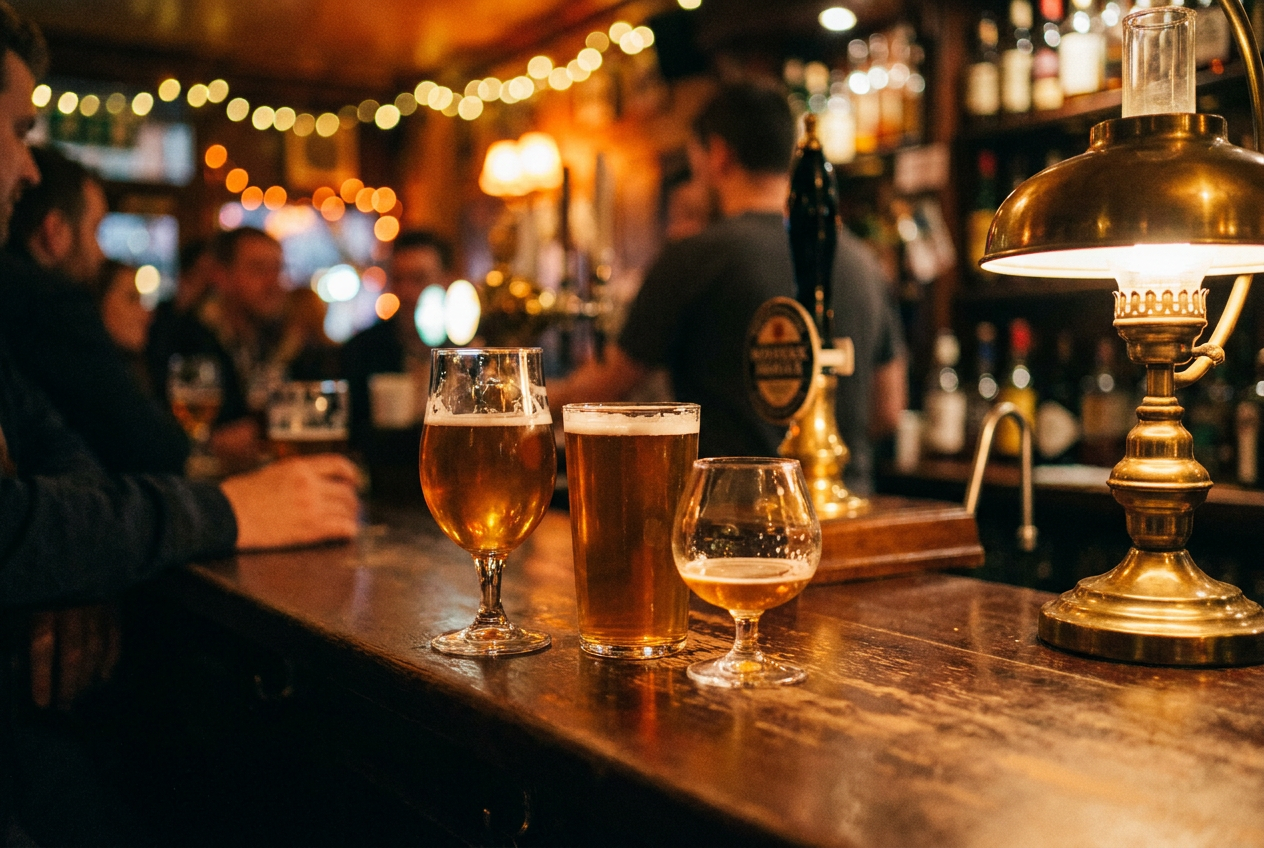
A beer glass does more than hold your drink and look good on the table. Its shape decides where the aroma goes once it leaves the surface of the beer, and how the bubbles and foam behave on the way to your mouth. Change the glass and you change the route the beer takes to your senses.
That matters because so much of what we call “taste” is really smell. The grapefruit peel in a hoppy pale ale, the toasted bread crust in an amber, the cocoa in a dark pour: your nose picks up a lot of that before your tongue does. A glass that funnels those aromas towards you gives you more to enjoy. A glass that lets them drift off into the room gives you less.
Carbonation plays a part too. The shape affects how the head forms, how long it sticks around and how lively the beer feels as you drink it. A good foam cap does more than look pretty. It holds aroma in, softens the first sip and gives the beer a creamy start before the liquid underneath arrives.
None of this is fussy science reserved for judges. Plenty of craft beer bars in Singapore think about glassware for exactly these reasons, and once you start noticing it, you’ll spot the difference too.
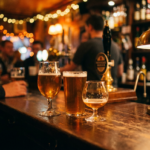
There are dozens of beer glass shapes out there, some with long histories and very loyal fans. You don’t need to know them all. These three cover most of what you’ll come across.
Picture a glass with a rounded bowl that narrows near the top, then flares out slightly at the rim, a bit like the flower it’s named after. That curve is the clever part. The wide bowl gives aroma room to build, and the narrower neck gathers it up and points it straight at your nose.
That makes the tulip a natural home for hoppy or more layered beers. With a hop-forward pale ale or IPA, you’ll get a stronger hit of orange zest, ripe mango or sticky pine the moment you lift the glass. With a beer that has a lot going on, such as dried fruit, spice and caramel all at once, the tulip helps you pick those notes apart rather than catching a vague blur.
This is the honest workhorse of the beer world: tall, simple and easy to hold. It doesn’t do much to concentrate aroma, and that’s fine, because it’s built for a different job.
The straight pint suits easy-drinking session styles, the kind of beer you want to enjoy in long, relaxed gulps rather than study. A pale lager with a soft, bready malt note, a little grassy bitterness and a dry finish feels right at home here. So does a light, refreshing ale on a sticky evening.
If you’ve been reading up on draft beer here in Singapore, you’ll know how often an easy-going pour lands in exactly this kind of glass. Nobody’s asking you to swirl and sniff. Just drink and chat.
The snifter is the short, stemmed glass with a wide bowl and a noticeably smaller opening at the top. If it reminds you of a brandy glass, that’s no accident.
It’s made for strong, sipping beers. The narrow opening keeps aroma contained, so the rich notes of dark chocolate, toffee, roasted coffee or warming dried fruit stay trapped in the bowl, waiting for you. The smaller size also encourages smaller pours and slower sips, which is exactly how you want to approach a beer with real strength behind it. Cup the bowl in your hand for a moment, take a slow breath in, and you’ll see why people love it.
Here’s the reassuring bit: if you drink an IPA from a pint glass, or a stout from a tumbler, nothing terrible happens. The beer is still the beer. It’ll still taste good.
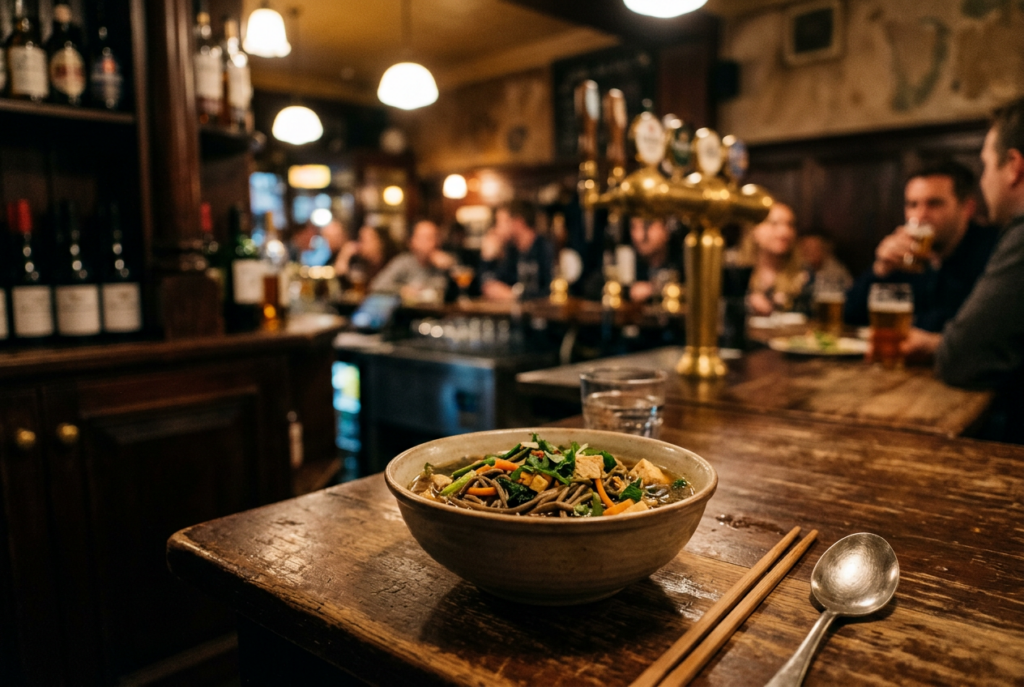
Glassware is a refinement, not a requirement. The right shape can turn up the volume on aroma and texture, but the wrong one won’t spoil your evening. We’d never judge anyone for grabbing whatever glass is clean, or for drinking straight from the can on a picnic. Think of the right glass as a small bonus, like eating noodles with good chopsticks. Nice to have, never compulsory.
The best way to understand glassware is to test it yourself. Next time you’re at Craft Beer by Ki-setsu at Fortune Centre, pick one beer, ideally something hoppy with plenty of aroma, and ask the team if you can try it in two different shapes, such as a tulip and a straight pint.
Smell each one before you sip. Notice which glass gives you more citrus or fruit up front, which holds its foam longer and which feels livelier on your tongue. Then taste them side by side. As a craft beer bar with a rotating international selection, there’s usually something on tap that’s perfect for the experiment. You might be surprised how different the same beer can seem.