FOOD PAIRING
01
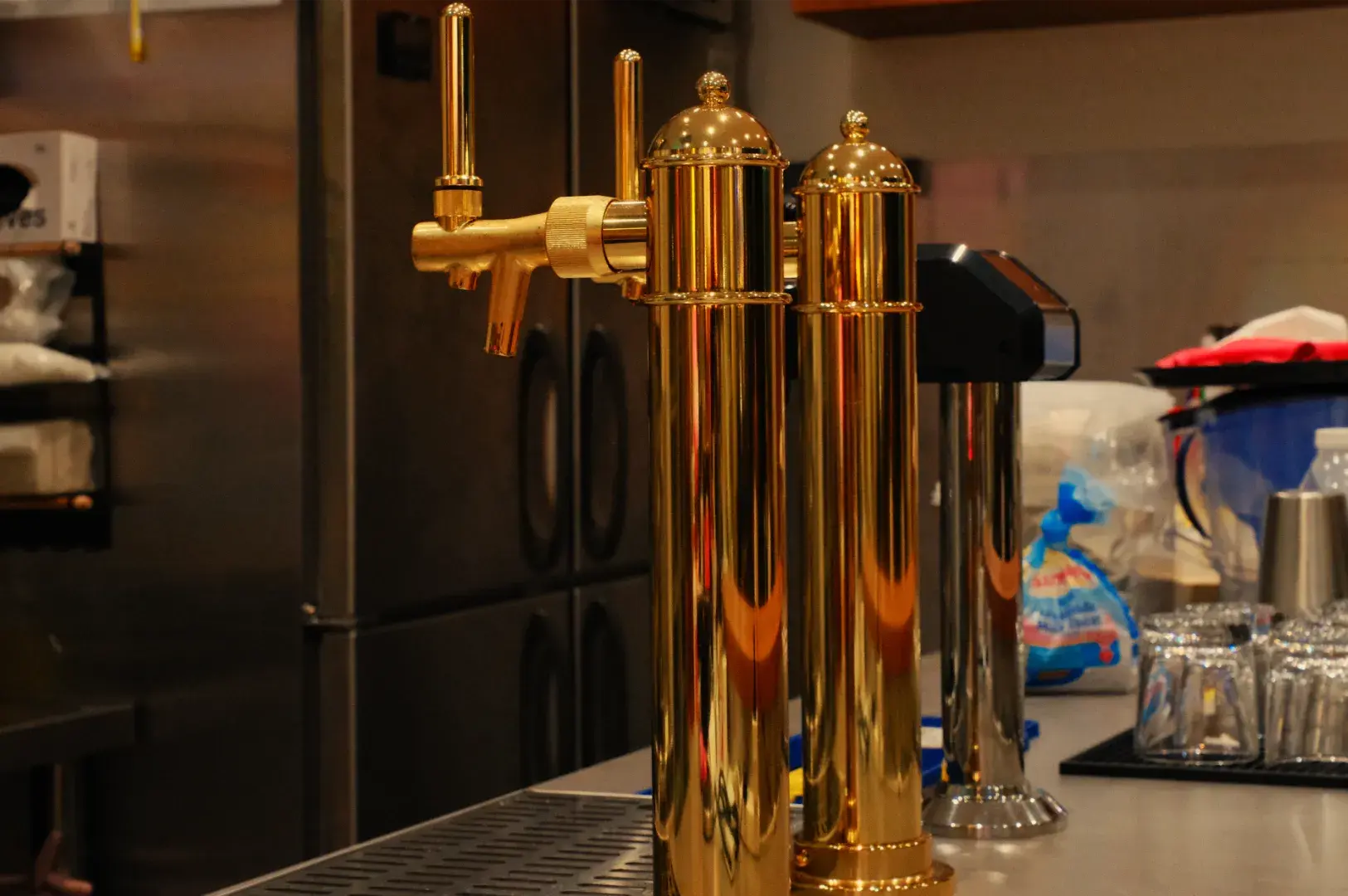
Draft beer is beer stored in a pressurised keg or cask and poured through a tap, rather than packaged in a bottle or can. Kegs are kept chilled and pushed through insulated lines by pressurised gas, and because the beer isn’t exposed to air the way an opened bottle is, draft often tastes fresher and smoother, even though the recipe underneath is identical.
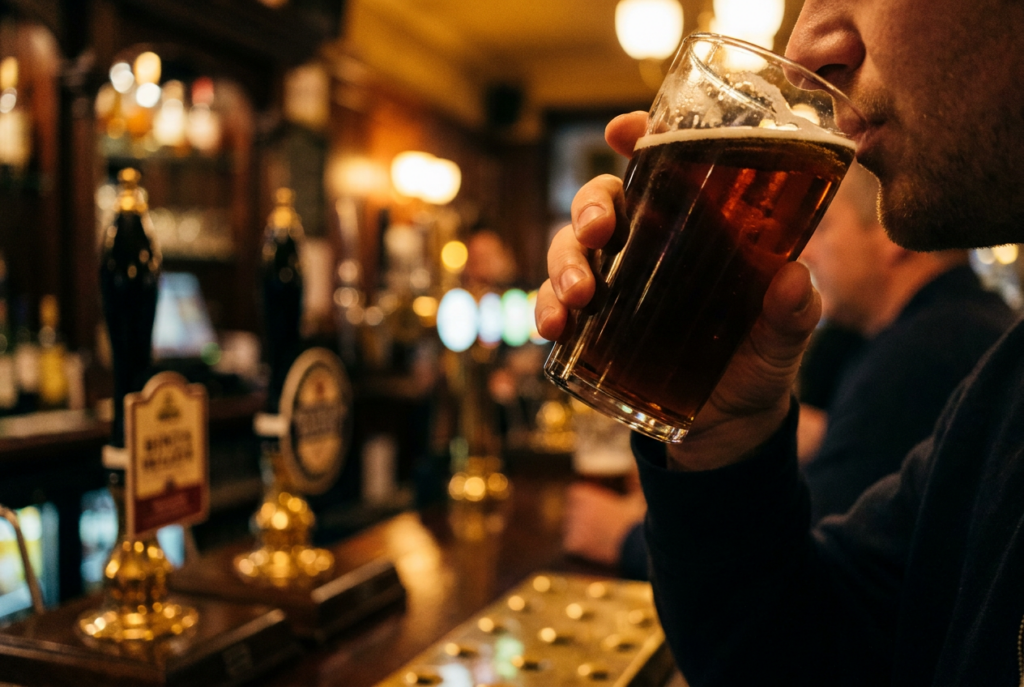
Order a pint at any bar in Singapore and you’re drinking beer straight from a tap, whether you clock it or not. It’s the beer that comes out cold and carbonated, instead of the beer you crack open from a bottle or can. The word sounds technical, but the idea behind it is simple, and once you understand how a keg actually gets to your glass, you’ll never look at a tap handle the same way again.
This guide breaks down what draft beer actually means, how it travels from the keg to your glass, and why so many drinkers reach for it first. We’ll also look at how Craft Beer by Ki-setsu, a craft beer bar and izakaya at Fortune Centre, thinks about tap pours differently from most bars in the city.
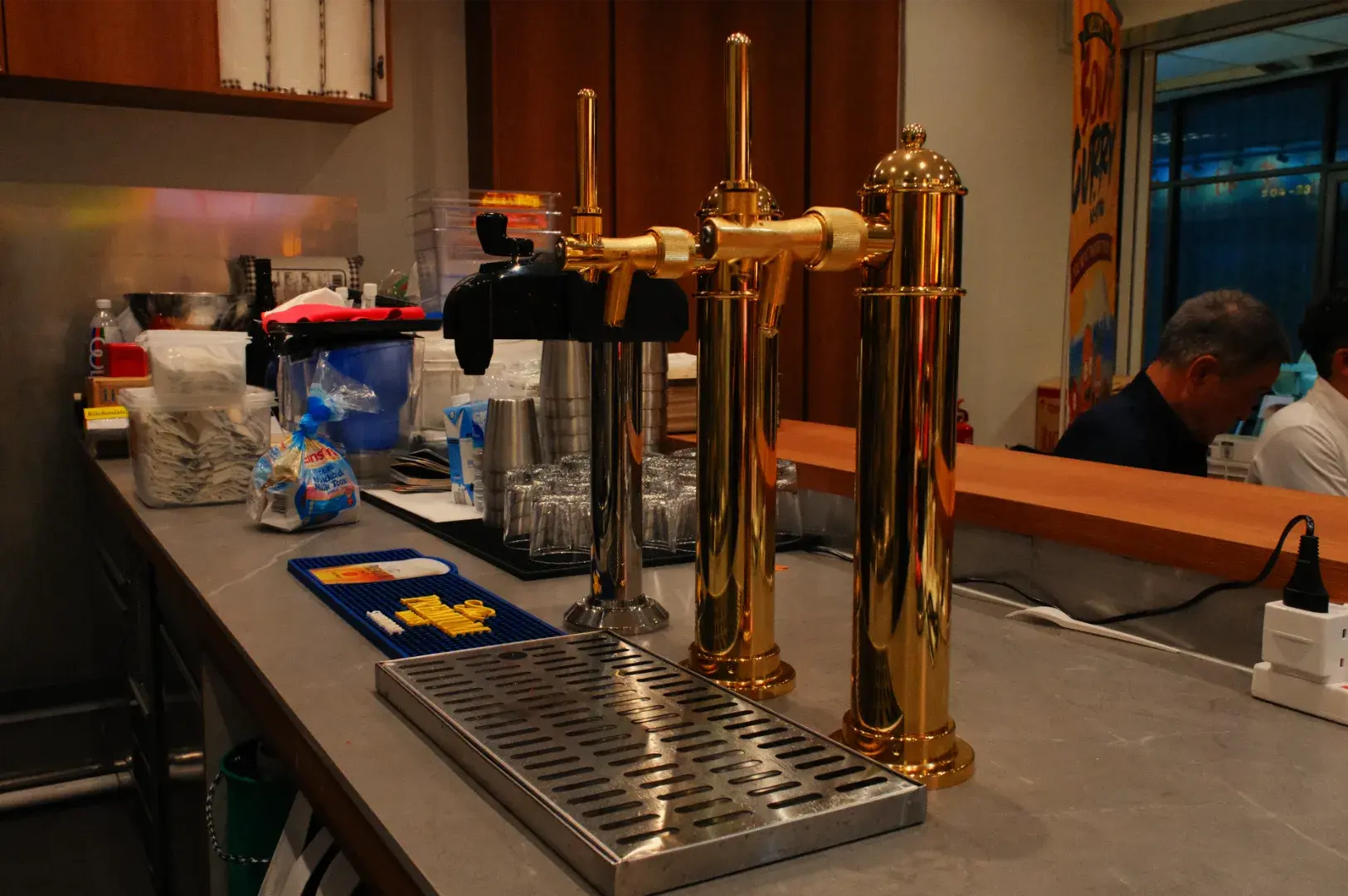
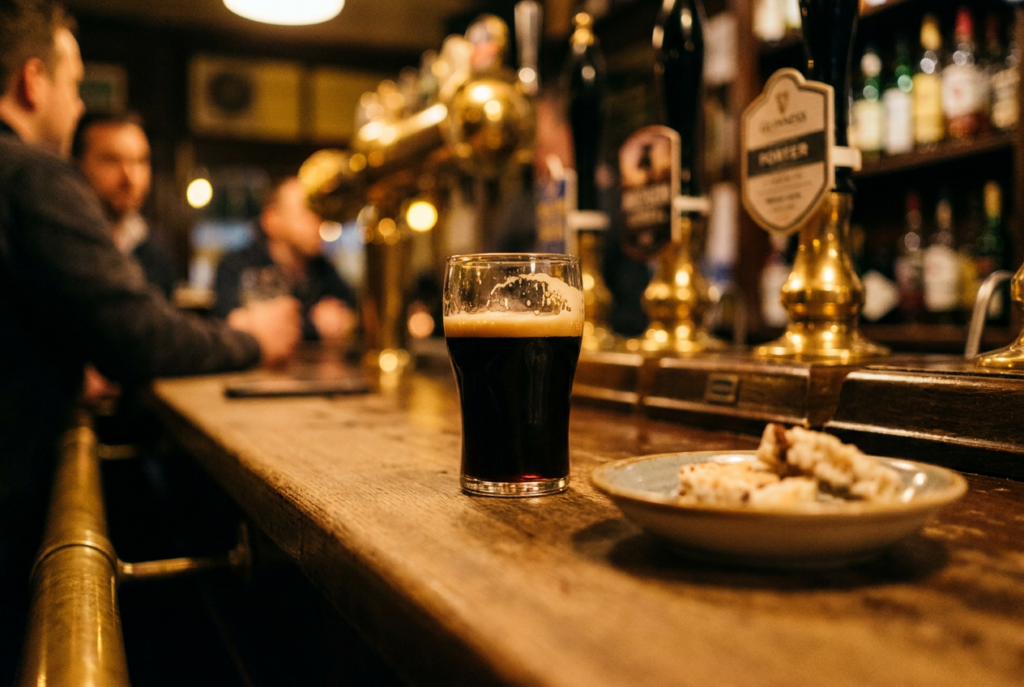
Draft beer, sometimes spelled “draught beer” in the UK style of spelling, is beer that’s stored in a pressurised keg or cask and served through a tap. That’s the whole definition. It’s not a different style, a different recipe, or a different strength of beer. It’s simply a different way of packaging and pouring the same brew you’d find in a bottle or can.
Compare that to bottled beer or canned beer, which is sealed into individual containers at the brewery and stays that way until you open it yourself. A keg, on the other hand, stays sealed and pressurised the entire time it’s connected to a tap system, right up until the beer hits your glass.
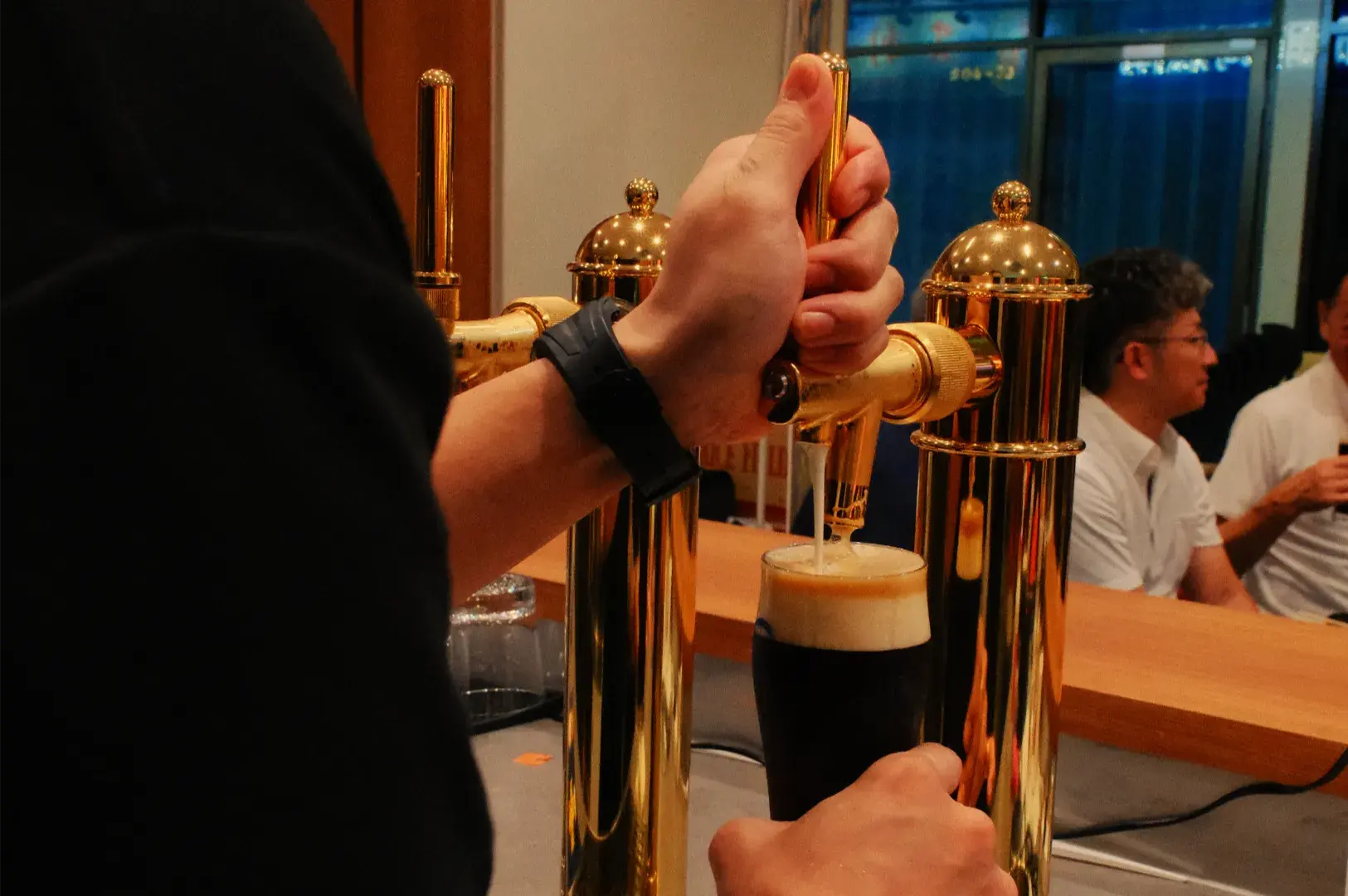
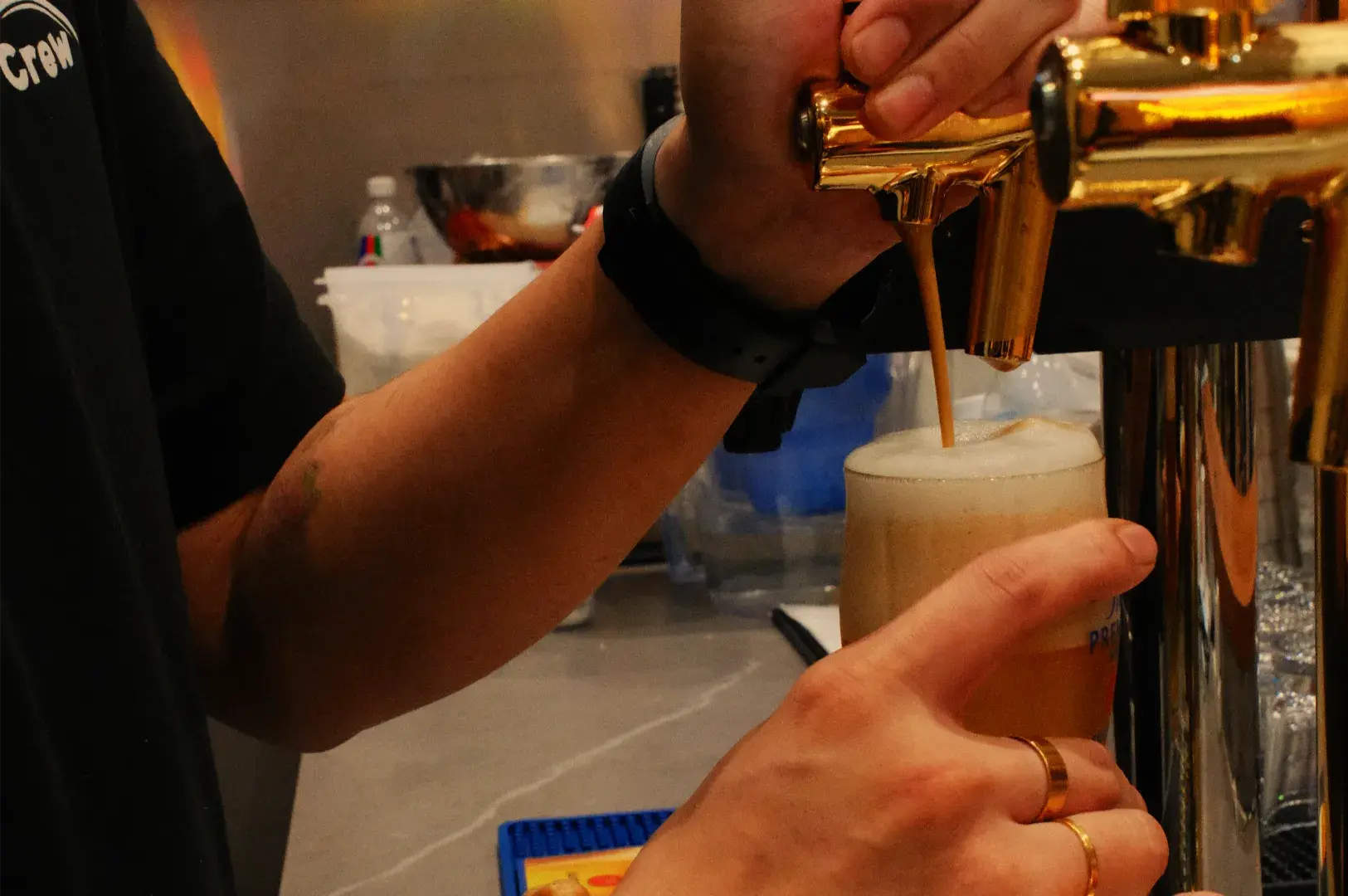
Every keg of draft beer relies on gas to move. Bars keep kegs chilled and connect them to pressurised gas, usually CO2, though some styles use a mixed gas blend. That pressure is what helps create the carbonation you taste in the glass, and it pushes the beer out of the keg and through insulated, chilled lines until it reaches the tap. The beer served at the end of that line should taste exactly as fresh as it did in storage.
That journey matters more than most drinkers realise. If the lines aren’t kept clean, residue can build up inside them over time, and that residue can flatten the carbonation and introduce off flavours into an otherwise perfectly good brew. That’s why regular line cleaning is standard practice at any bar that takes its tap pours seriously. It’s not a nice to have. It’s basic maintenance, the same way you’d service a car engine rather than just topping up the fuel.
Serving temperature plays its part too. Kegs are kept cold from storage through to the tap, which is part of what makes draft beer feel so consistent pour after pour, pint after pint. Notably, this is also why a keg or line left to sit warm, even briefly, can throw off a pour that should otherwise taste identical to the one before it.
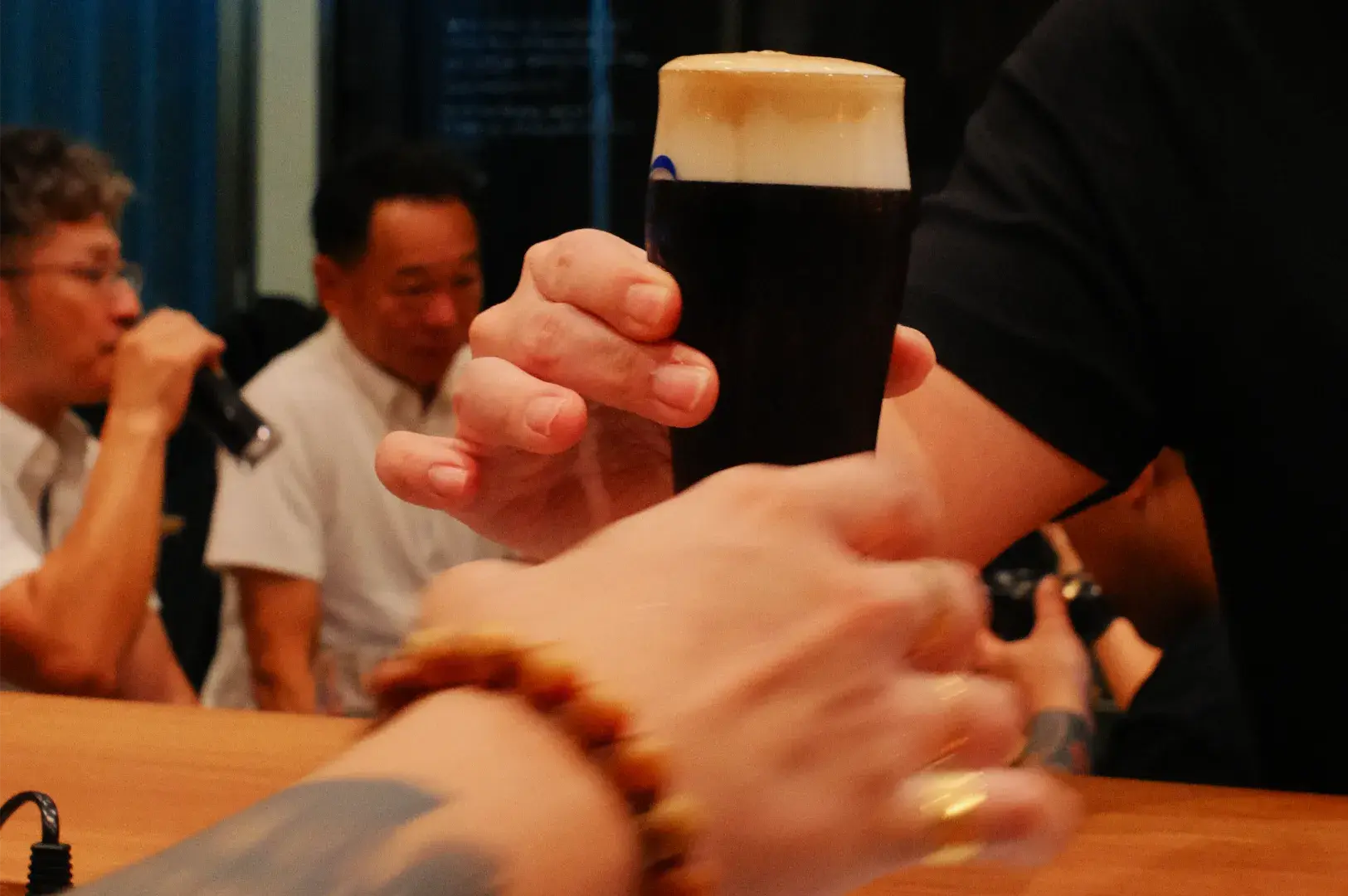
Once you crack open a bottle or can, the beer inside is exposed to air, and that exposure can start to change how it tastes over time. Draft beer skips that problem almost entirely. The keg stays sealed under pressure and refrigerated from the moment it leaves the brewery to the moment it’s poured, so the beer never sits around exposed to air, or warm, the way an opened bottle does.
That’s the main reason draft is so often described as tasting fresher, brighter or smoother than its bottled beer counterpart, even when it’s the exact same recipe. The beer itself hasn’t changed. What’s changed is how carefully it’s been protected on the way to your glass, and how much texture and carbonation it’s held onto along the way.
It’s a common mix-up, so it’s worth being direct about it. Draft describes how a beer is served, from a keg or cask through a tap. Craft beers describe who made the beer and how, typically a small, independent brewer known for interpreting styles like an IPA or a pilsner with its own twist. A beer can be draft, craft, both, or neither, and knowing the difference helps when you’re staring down a menu trying to figure out what to order or grab off the shelf.
Not every bar treats draft the same way, and that’s worth knowing before you walk into a space expecting a huge range of tap handles lined up along the bar. At Craft Beer by Ki-setsu, a small, easygoing space built more around bottles and cans, the approach to draft is different. That’s a deliberate choice rather than a limitation. Packaged beer lets the bar rotate breweries, styles, and countries of origin far more often than a fixed set of tap lines would allow, pulling in quality craft beer from Japan, Taiwan, Australia and Singapore on a regular basis.
That kind of rotation is part of what defines a small and independent brewer in the first place, since these breweries tend to stay nimble precisely because they aren’t tied down by the scale or ownership structures of the big, established producers, according to the Brewers Association’s own definition. A bar built around bottles and cans can move with that world far more easily than one locked into a handful of keg contracts.
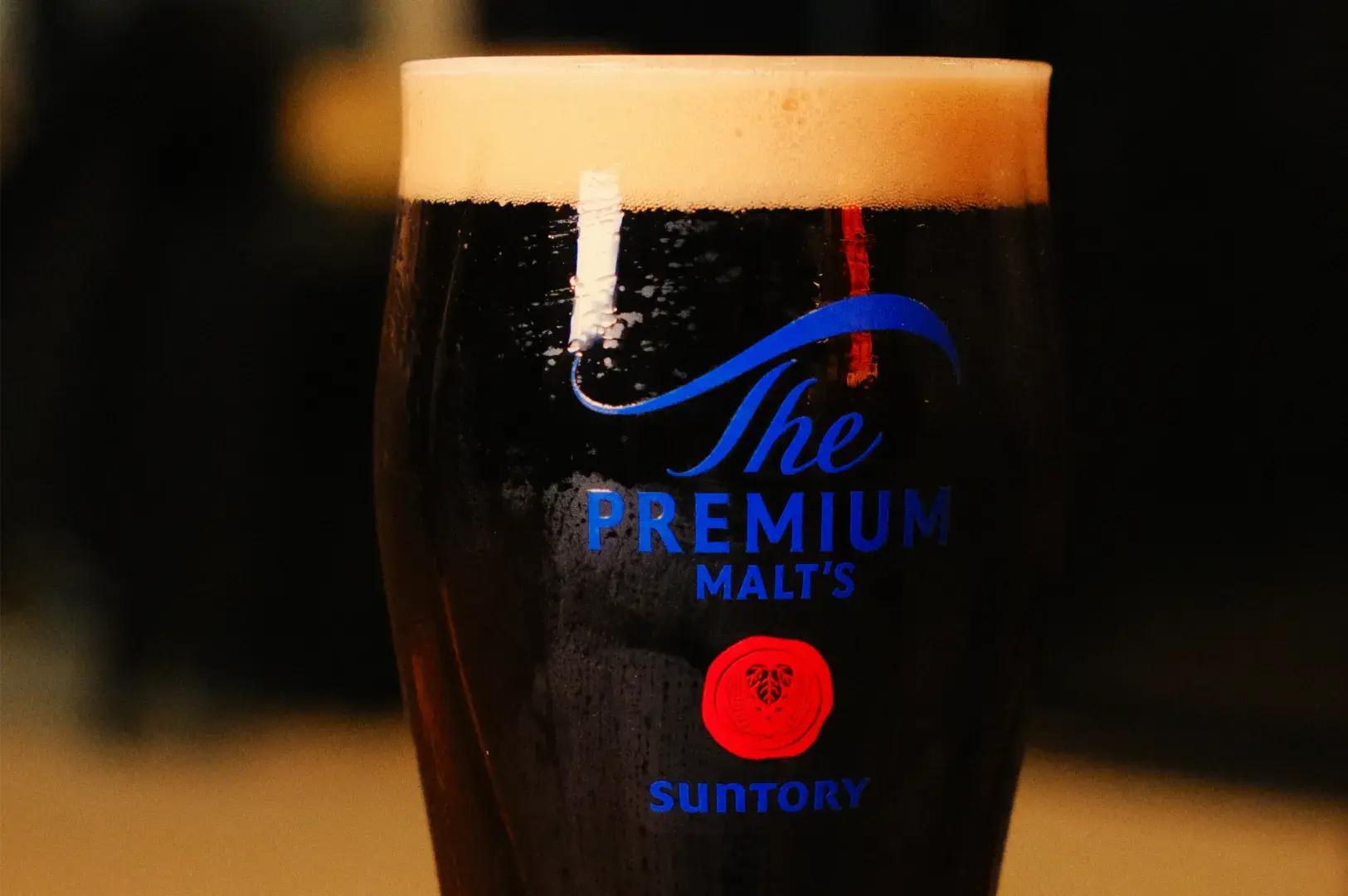
That said, there’s one constant on the tap list. Craft Beer by Ki-setsu keeps Suntory The Premium Malt’s Pilsner as its house draft pour, a light, crisp Japanese-style pilsner that’s always there no matter what’s rotating through the fridges that week. It’s the one pour you can count on, drop by drop, while everything else around it keeps changing week to week.
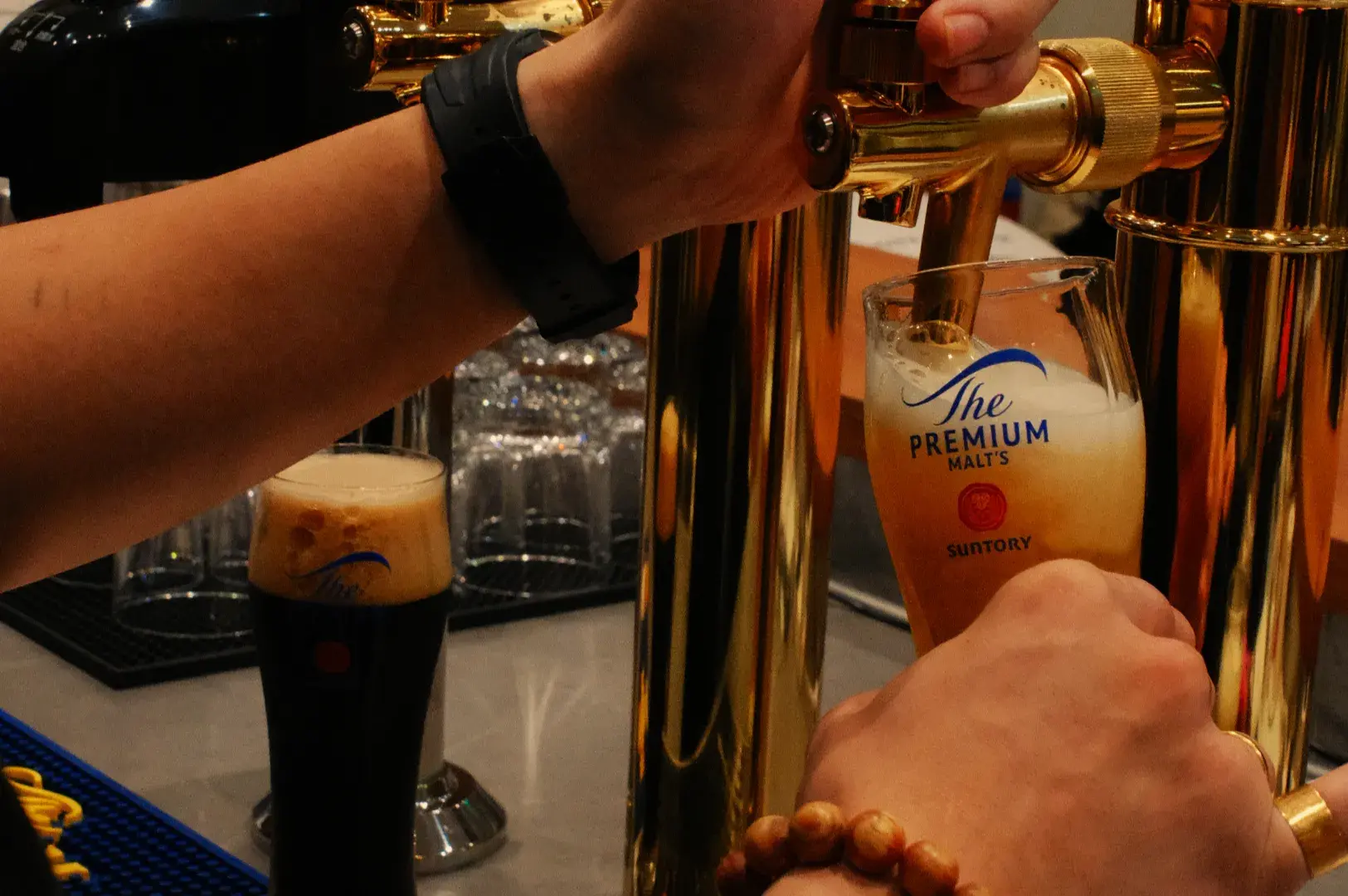
If you’re not sure where to start, order the pilsner. It’s the one beer at Craft Beer by Ki-setsu that’s always on tap, which makes it the easiest first pour if you’re still getting your bearings, and it gives you a clean baseline palate before you start working through the rotating bottles and cans. From there, ask the team what’s just come in. That rotating selection is the whole point of the place, and it changes often enough that there’s usually something worth trying that wasn’t there on your last visit, especially for curious drinkers who like to pair a beer on the table with something off the food menu.
If you want a fuller sense of what’s out there beyond Ki-setsu’s own fridges, our full guide to the best craft beer in Singapore is a good next stop.
Is draft beer stronger than bottled beer?
No. Draft beer and bottled or canned beer can be exactly the same recipe at exactly the same strength. The only difference is how the beer is stored and served, not what’s in it.
Does draft beer cost more than bottled beer?
Prices depend entirely on the bar and the specific beer, not on whether it’s served from a keg or a bottle. There’s no universal rule that draft costs more or less.
Why do some bars serve mostly bottles and cans instead of draft?
Packaged beer gives a bar far more flexibility to rotate breweries, styles and countries of origin regularly, since it isn’t limited by how many tap lines are installed. Craft Beer by Ki-setsu uses this approach for exactly that reason, while still keeping one dedicated pilsner on tap as a constant.
Does draft beer need any special care to taste right?
Yes. Kegs need to stay chilled, and the lines connecting them to the tap need regular cleaning. Without that upkeep, residue in the lines can flatten carbonation and introduce off flavours, even if the beer itself was fine going into the keg.
What’s the basics of drinking beer from a keg versus a bottle?
The beer itself can be identical either way. The only real difference is exposure: a keg stays sealed and pressurised until it’s poured, while a bottle or can is exposed to air the moment you open it.
Is draft beer the same as craft beer?
No, they’re two different things. Draft describes how a beer is served. Craft describes who made it and how. A beer can be draft, craft, both, or neither.