FOOD PAIRING
01
The best izakaya in Singapore all share the same three things: food built for sharing, a pace nobody’s rushing, and drinks that keep up with the plates instead of racing ahead of them. Craft Beer by Ki-setsu at Fortune Centre pairs Japanese-inspired dishes with a rotating line-up of craft beer, its neighbour Soup Curry by Ki-setsu turns into a cosy izakaya from 6pm, and the kushiyaki counter down the corridor, Izakaya Hikari, is known for skewers, sashimi and sake.
Singapore has no shortage of places calling themselves an izakaya, but the word gets stretched to cover everything from a proper sake bar to a Japanese-themed lounge with mood lighting and a cocktail list. The real thing is simpler, and honestly more relaxed, than most people expect. This guide breaks down what actually separates a genuine izakaya from an ordinary Japanese bar, where the word comes from, and where to find some of the best izakaya Singapore has right now, including a Fortune Centre favourite that does double duty as a craft beer bar.
A regular bar is built around the drink, with food as an afterthought. A public izakaya flips that order entirely. The food is the point, and the drink, whether that’s sake, Japanese beer, or a rotating pour of craft beer, is there to keep it company.
Three things set izakaya cuisine apart from casual Japanese dining elsewhere:
Food-first ordering. You don’t order one big meal. You order a few dishes, see how they land, then order a few more.
Shareable portions. Grilled skewers, chicken teriyaki, miso soup and cold tofu are built to sit in the middle of the table, not in front of one person.
No rush. There’s no set course arriving on a schedule. Dishes come out as the kitchen finishes them, which means the pace of the night is set by conversation, not by dinner service.
That structure is what makes a genuine izakaya work as well for two people catching up after work as it does for a table of six ordering round after round of bar bites and izakaya favourites. It’s also what separates a small izakaya from a restaurant that just happens to serve Japanese food.
The word itself tells you most of what you need to know. Izakaya (居酒屋) combines iru, meaning “to stay,” and sakaya, meaning “sake shop.” These casual spots originated from sake shops that started letting customers sit and drink on the premises, rather than buying a bottle and leaving. The word entered English usage by 1987, which is relatively recent given how familiar the format now feels outside Japan, and how many izakayas in Singapore now carry the name.
One custom worth knowing before you sit down at any public izakaya: many serve an otoshi or tsukidashi, a small starter dish brought to the table automatically, often in place of a cover charge. It’s not something you ordered by mistake. It’s just part of how the bill works, and part of what gives the format its izakaya spirit.
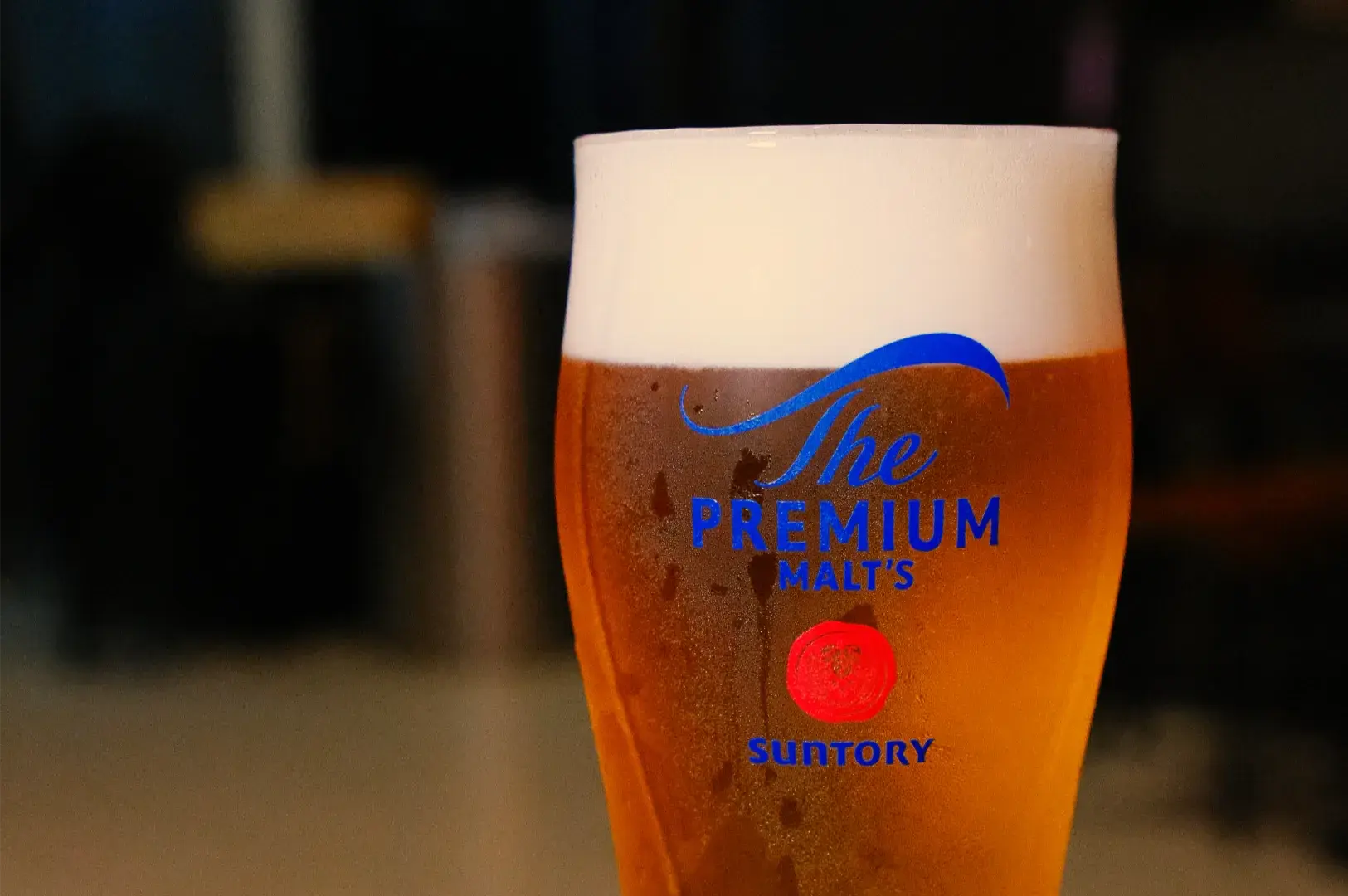
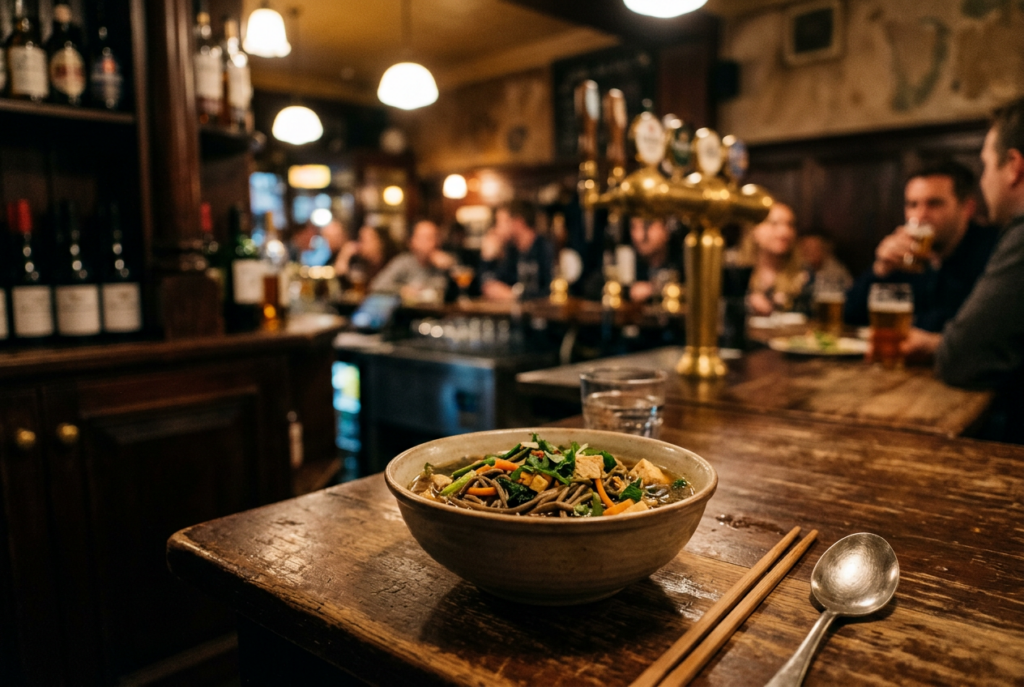
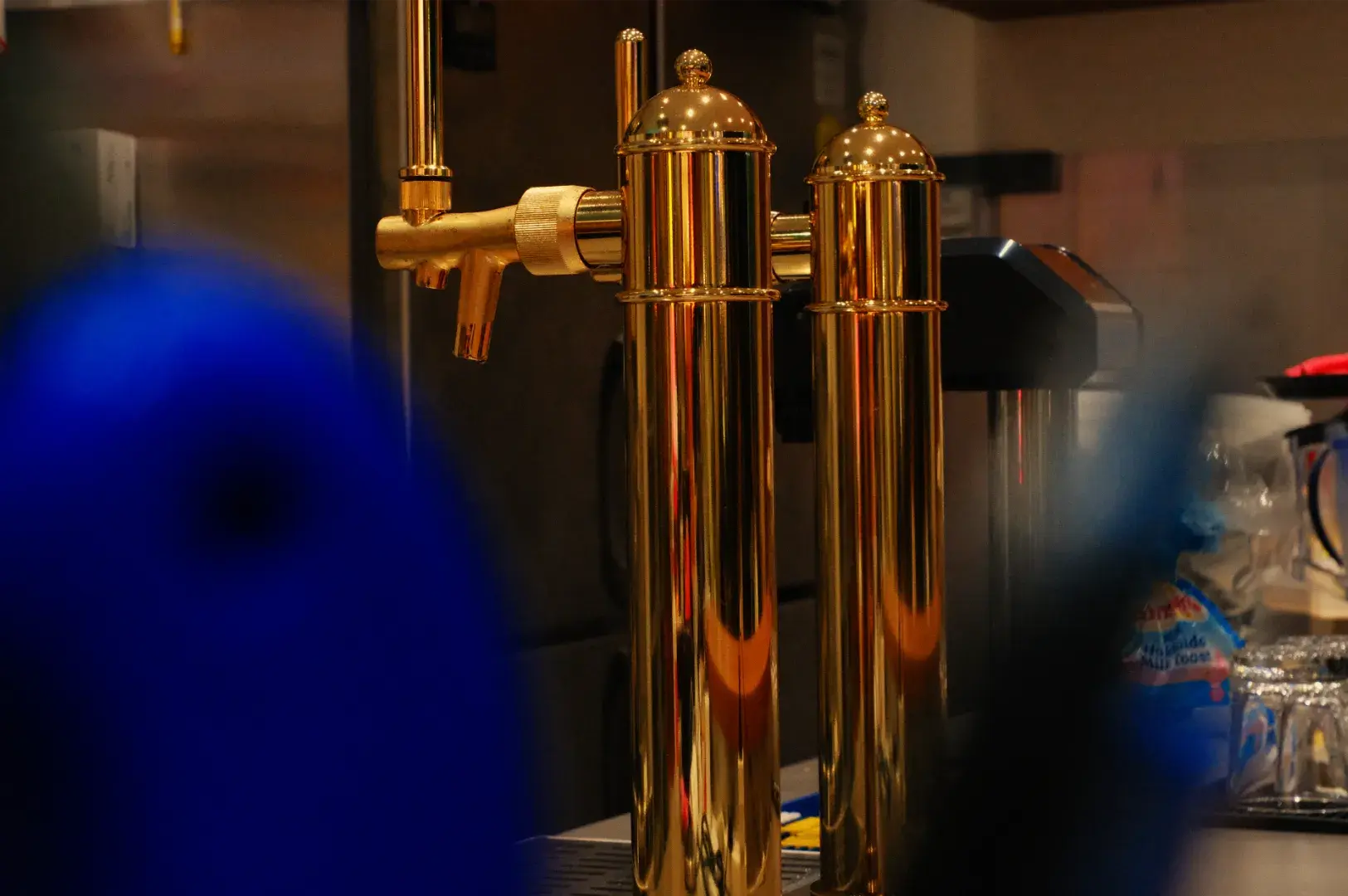
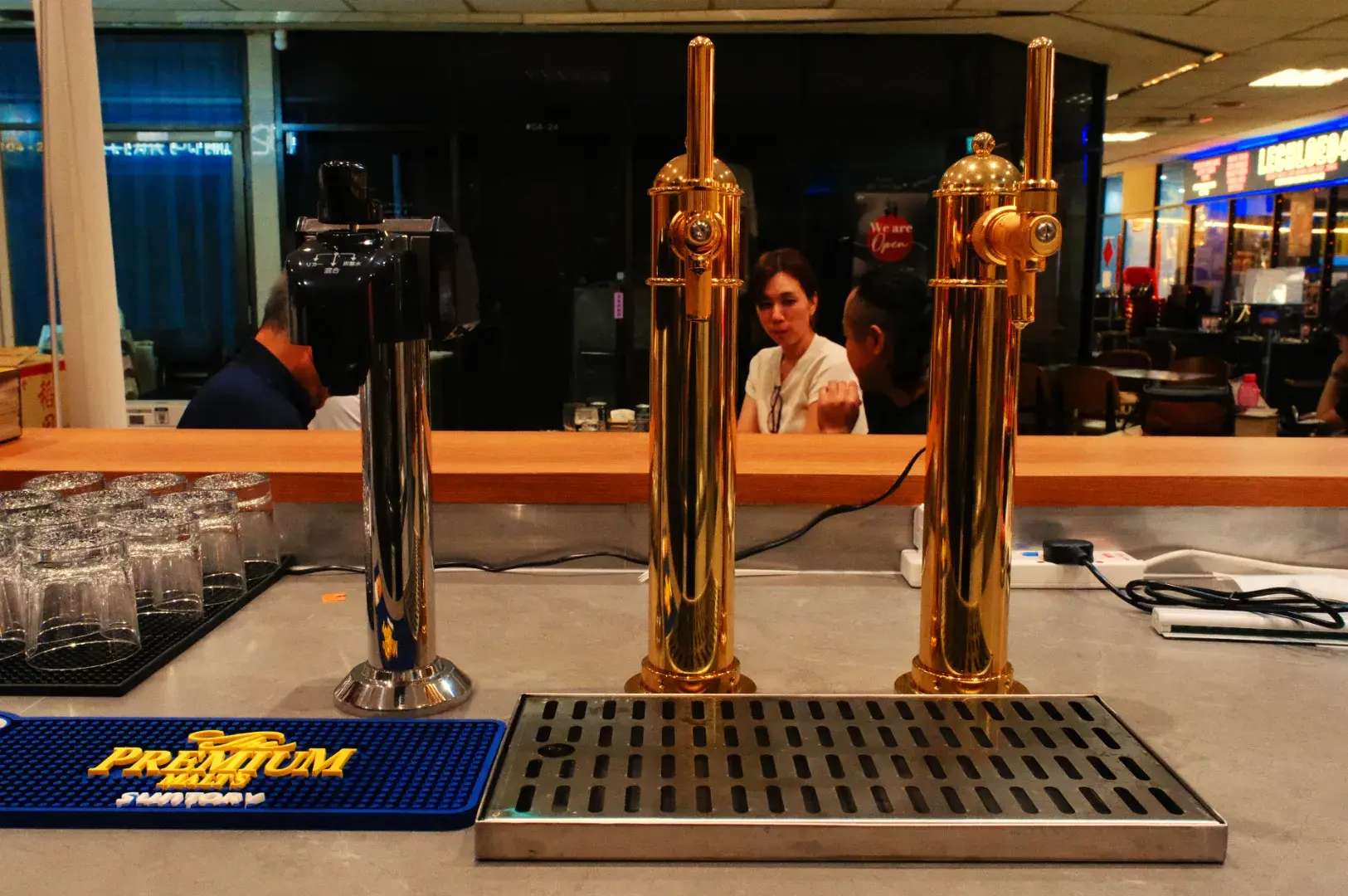
Craft Beer by Ki-setsu at Fortune Centre #04-19 runs on the same logic as any good izakaya: order a little, eat, order a little more. The food leans Japanese-inspired, built to be shared across the table rather than kept to one plate, and it’s designed to sit alongside beer rather than compete with it. The result reads less like a Japanese restaurant with a beer list bolted on, and more like an authentic izakaya built around craft beer instead of sake, with the kind of good food and authentic flavours that don’t need much dressing up to work.
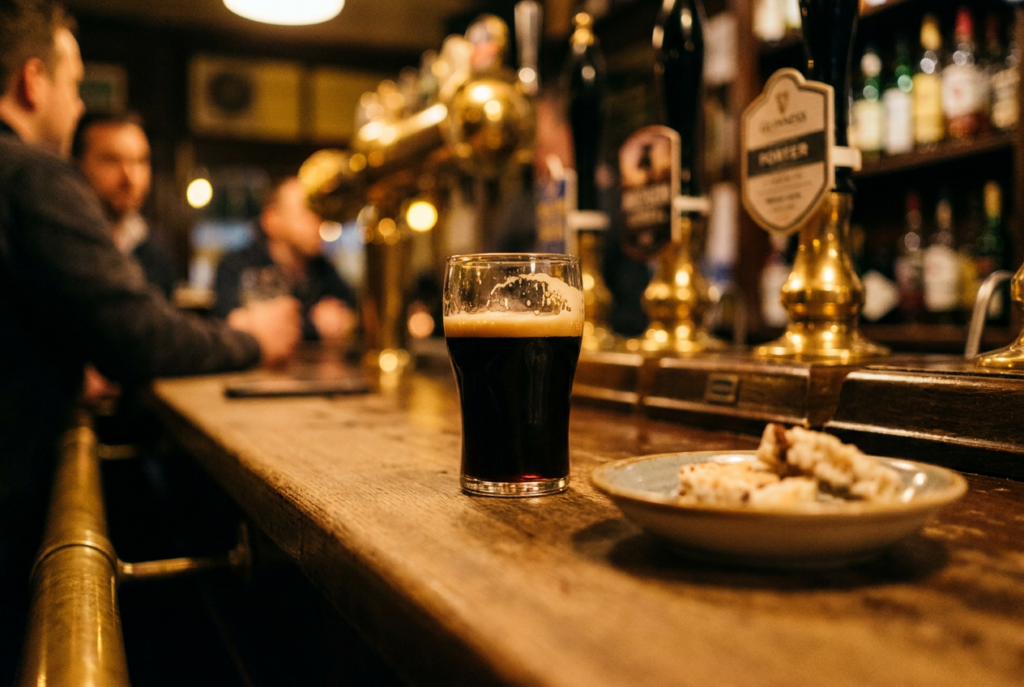
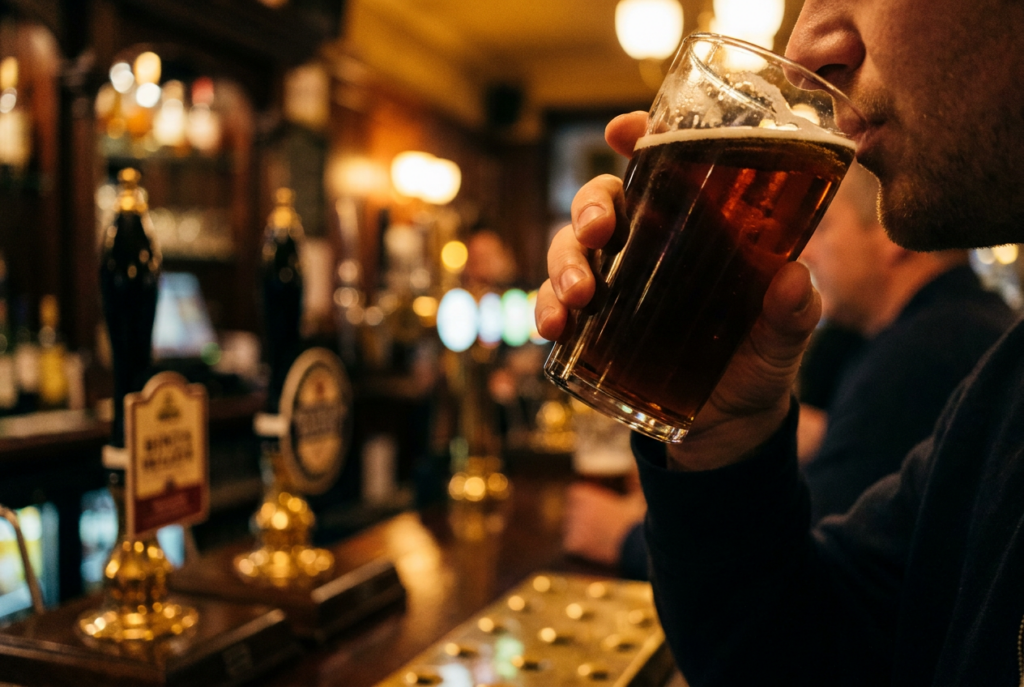
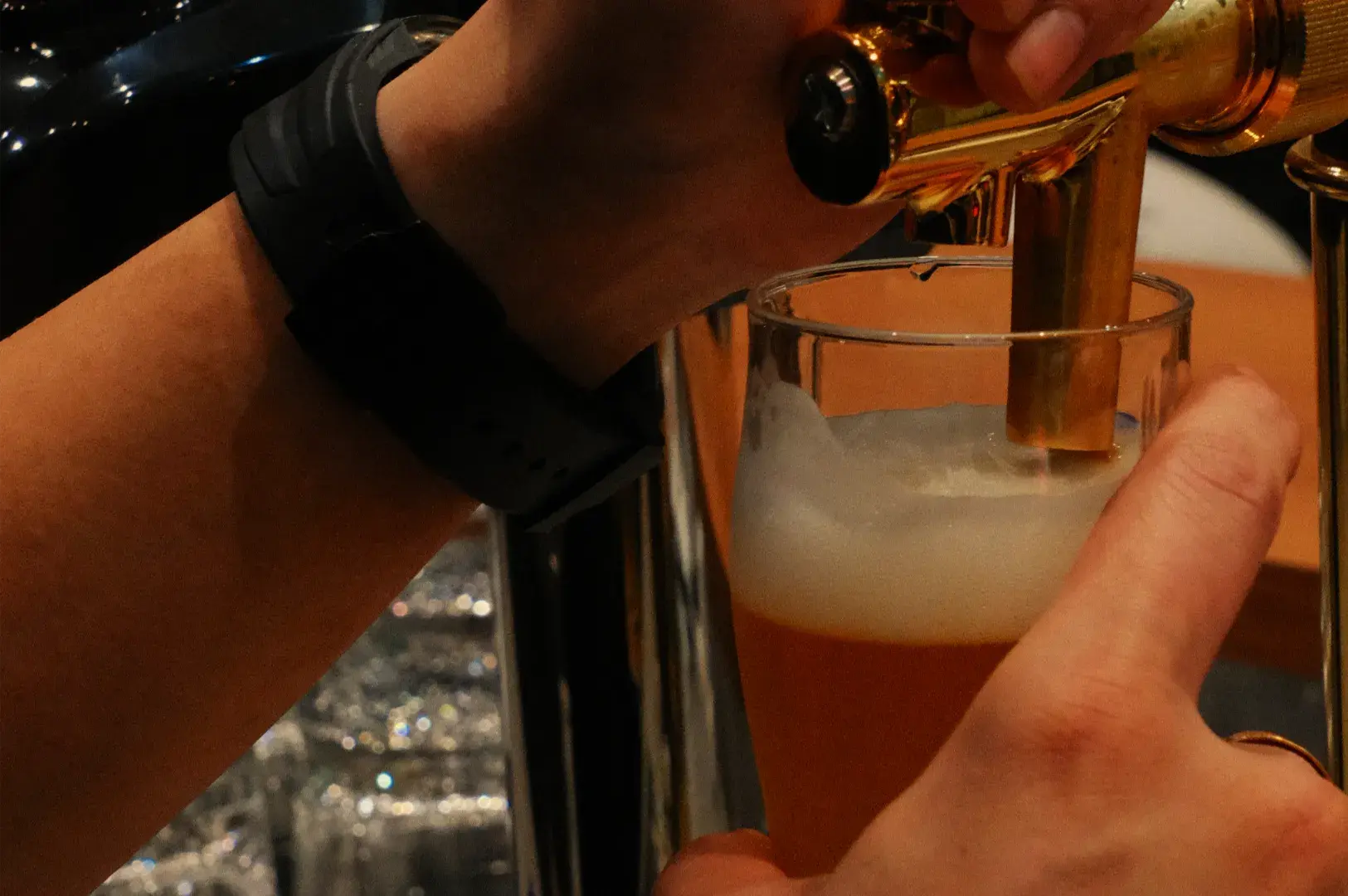
The drinks side is where it earns its name. Instead of a fixed house pour, the beer selection rotates through local and international craft breweries, so a visit one month can look genuinely different the next. That rotation is part of the draw. Regulars come back not just for the food but to see what’s currently on tap, and to soak up the cosy ambience and chic vibes that come with a smaller, neighbourhood room rather than a sprawling izakaya chain.
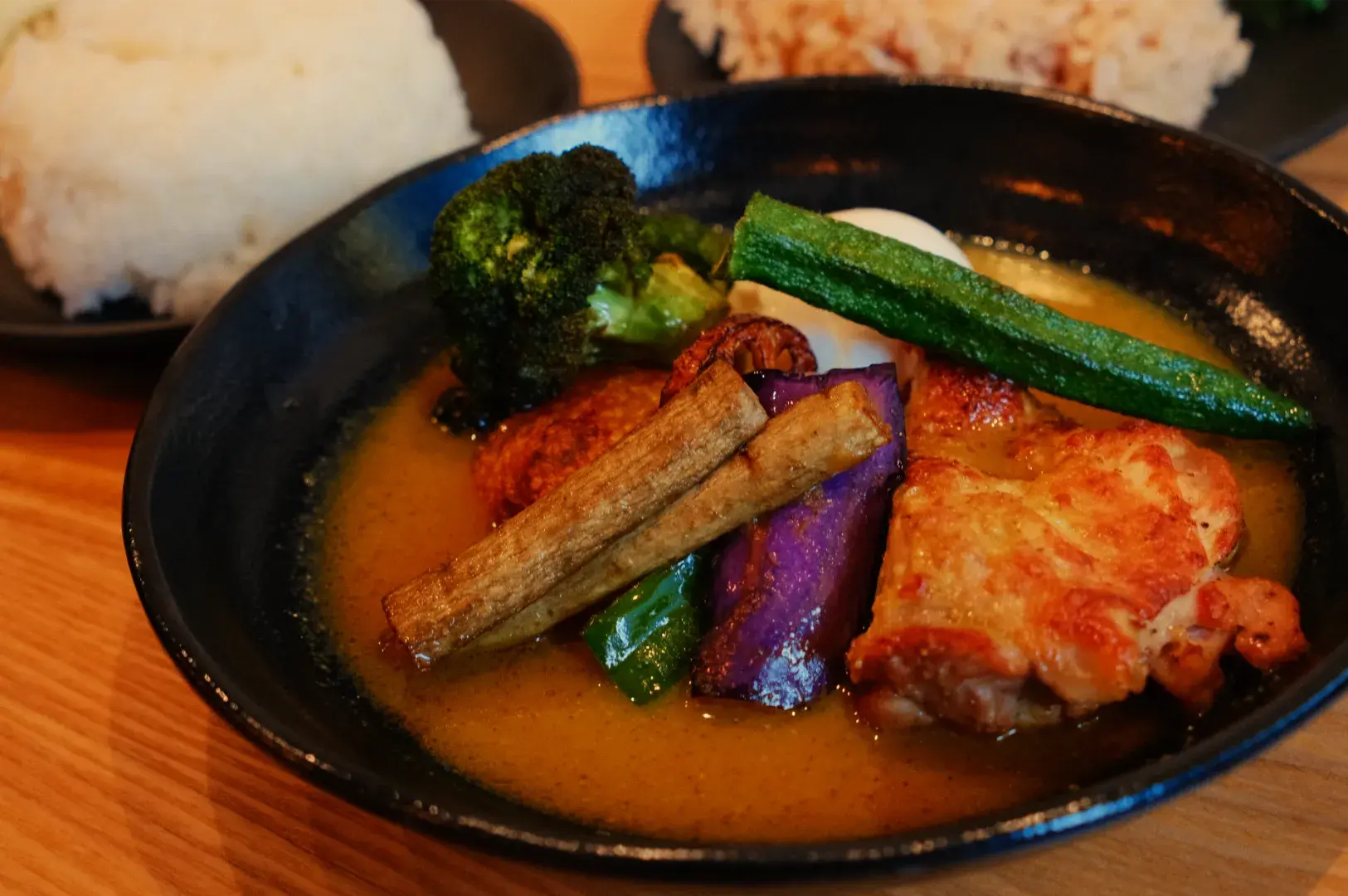
A few doors down at #04-13, Soup Curry by Ki-setsu tells a similar story from a different angle. By day, it’s Singapore’s first Hokkaido soup curry restaurant, run by Chef Masa of the Ki-setsu Group, built around fresh seasonal produce and the kind of casual Japanese dining Singapore has taken to warmly over the years.
From 6pm, Monday to Saturday, it shifts gears entirely.
The lighting settles, the buzzing atmosphere of the daytime crowd gives way to something quieter, the menu expands into Japanese small plates and sake, and the signature soup curry stays on the table alongside evening additions like the kani cream croquette. It’s a rare case of one kitchen genuinely earning the right to call itself both a Japanese restaurant and an izakaya, rather than just borrowing the word for the evening menu. Soup Curry by Ki-setsu is worth building into the same night out if you’re already at Fortune Centre for the beer.
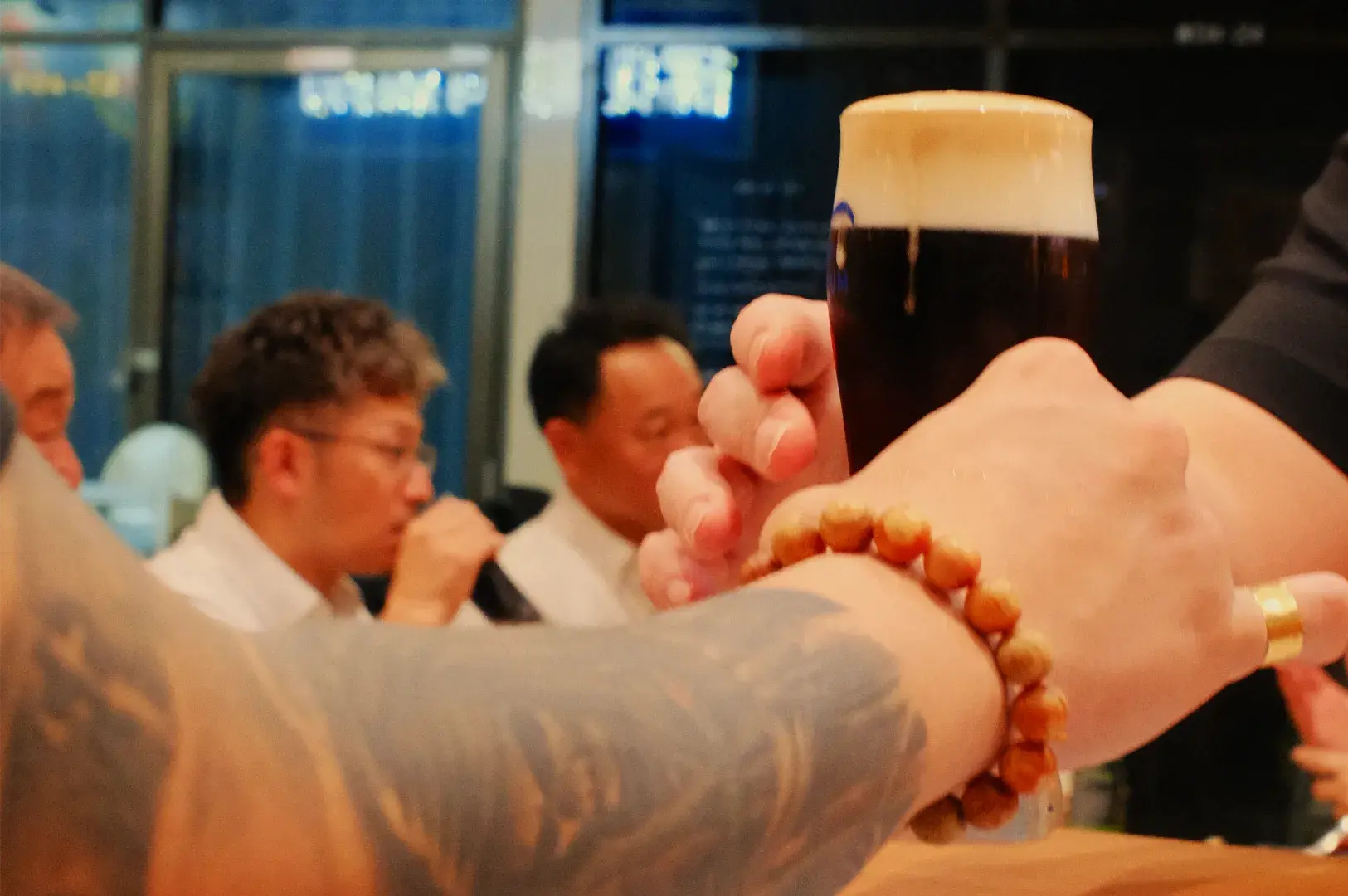
Fortune Centre alone makes a fair case for being one of the best pockets of izakaya dining in Singapore, and it’s worth naming what’s actually there rather than padding a list with places that only borrow the aesthetic.
Izakaya Hikari, at Fortune Centre #03-01, is built around kushiyaki, sashimi and house sake, a tighter, more traditional izakaya cuisine than the craft beer and soup curry approaches one floor up. The kitchen runs on skilled chefs working a small charcoal grill rather than a sprawling menu, and if grilled skewers, grilled chicken, assorted yakitori skewers, and reasonably priced sake are what you’re after, this is the more classic izakaya fare in the building, and one of the more friendly, traditional izakaya rooms in the area.
Beyond Fortune Centre, Singapore’s wider scene of izakayas includes plenty of variety worth exploring on your own terms: some rooms lean into a friendly, traditional izakaya built around a yakitori grill and a short sake list, serving traditional izakaya cuisine with little fuss and a relaxed hangout feel, while others take a more modern, fusion-minded Japanese izakaya approach with an extensive menu, seasonal specials, Japanese style cocktails, and a livelier, buzzing atmosphere.
A night of izakaya-hopping across the city can turn up almost anything: crisp fries dusted with something unexpected, curry chips as a nod to Japan’s love of the format, chicken meatballs skewered and glazed, a plate of salmon carpaccio, sashimi moriawase built for sharing, a bara chirashi bowl, salmon mentaiko donburi, a proper yakitori omakase if you let the chef decide, or even a wagyu steak course if the kitchen leans upscale that night. Both the classic and the fusion approach are legitimate ways to spend an evening, and neither is more “correct” than the other. The point isn’t to crown one authentic Japanese room over another. It’s to know what kind of night you’re actually in the mood for before you sit down.
Between Izakaya Hikari, Craft Beer by Ki-setsu, and Soup Curry by Ki-setsu’s evening switch-over, Fortune Centre’s third and fourth floors alone cover a fair spread of what izakaya dining in Singapore can look like: from craft beer and Japanese dishes, to a curry house that becomes a sake bar, to a kushiyaki counter proper, each with its own standout dishes and rich flavours worth coming back for. Rather than chasing across the island for a single “best” spot, it’s one building worth spending an evening moving through.
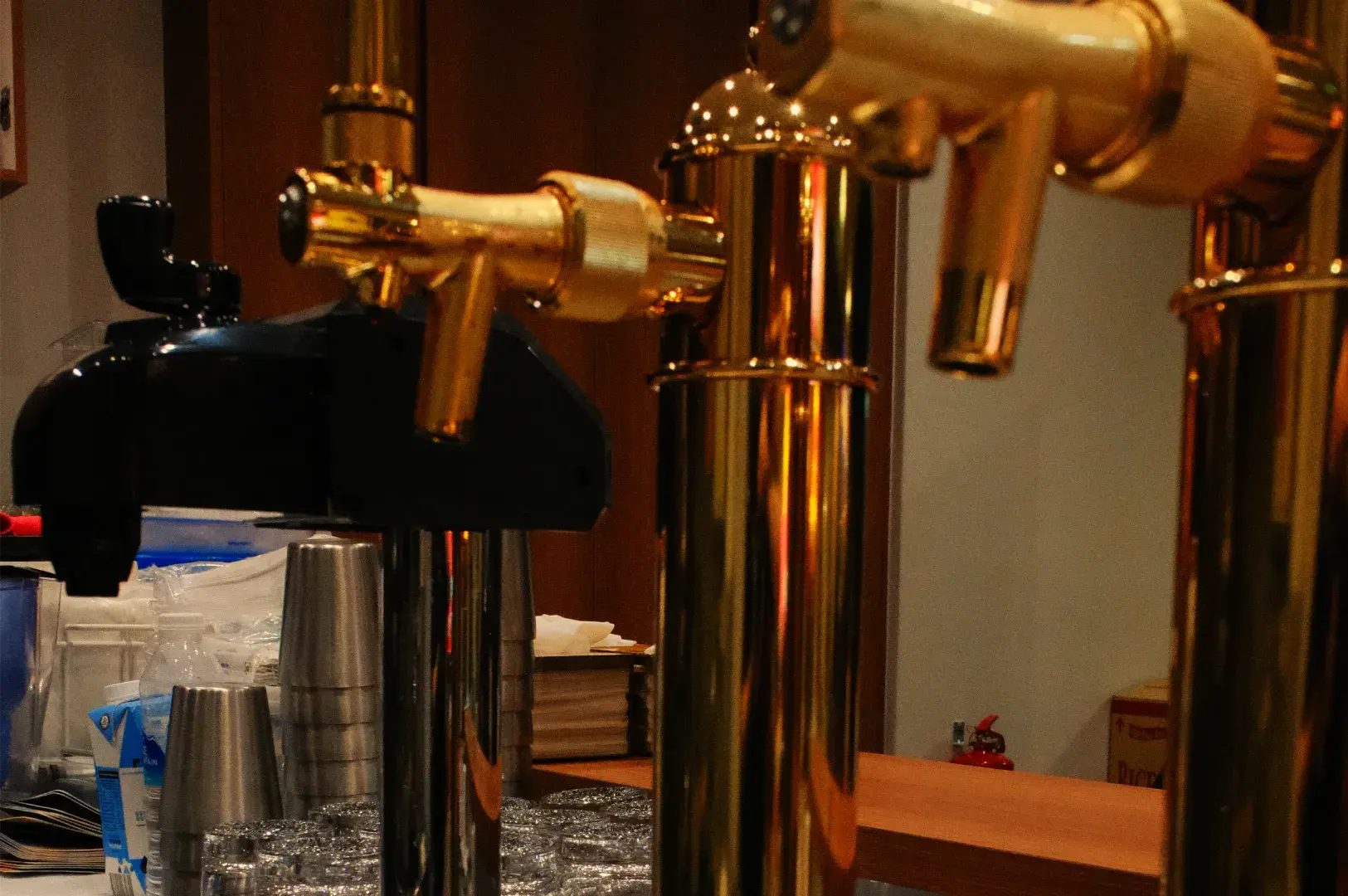
The biggest mistake people make at any izakaya Singapore has to offer is treating it like a regular restaurant meal, ordering everything at once and eating it in one sitting. That defeats the purpose.
Order two or three dishes to start. Something light, like edamame, miso soup or cold tofu, then something with more weight, like yakitori, chicken teriyaki, chicken wings, or karaage. Eat those, talk, then look at the menu again. Let your beer or sake keep pace with the food rather than finishing your glass before the first plate even arrives. There’s no clock running on an izakaya night. The kitchen will send out sashimi or tempura when it’s ready, not on a fixed schedule, so there’s no benefit to rushing the order.
If you’re testing this approach for the first time, Craft Beer by Ki-setsu at Fortune Centre #04-19 is a straightforward place to start. Order one small plate, pick whatever’s currently rotating on tap, and build the rest of the night from there.
What’s the difference between an izakaya and a regular bar?
A genuine izakaya centres the meal, not the drink. Food is ordered in small, shareable plates throughout the evening, and drinks, sake, Japanese beer, or craft beer, are chosen to go alongside that food rather than as the main event.
What is otoshi, and why was I charged for something I didn’t order?
Otoshi (or tsukidashi) is a small starter dish many izakaya serve automatically when you sit down. It typically replaces a cover charge, so it appears on the bill even though you didn’t request it directly.
What dishes should I order first at an izakaya?
Start light, with edamame, miso soup, cold tofu or a small salad, before moving on to heartier plates like yakitori, karaage, tempura or sashimi. Ordering in stages, rather than all at once, is closer to how izakaya cuisine is meant to unfold.
Is Craft Beer by Ki-setsu a true izakaya or a craft beer bar?
Both. It runs an izakaya-style experience, Japanese-inspired dishes meant for sharing, alongside a rotating selection of local and international craft beer, at Fortune Centre #04-19.
Where is Soup Curry by Ki-setsu, and when does it operate as an izakaya?
Soup Curry by Ki-setsu is at Fortune Centre #04-13. It runs as Singapore’s first Hokkaido soup curry restaurant during the day, then transforms into an izakaya from 6pm, Monday to Saturday, serving Japanese small plates and sake, including its kani cream croquette, alongside its signature curry.