FOOD PAIRING
01
Order a “dark ale” in one bar and you might get a smooth, nutty pint that tastes of toasted bread and milk chocolate. Order the same thing somewhere else and you could end up with something nearly black, smelling of espresso and burnt toast. Neither bar got it wrong. The two words just aren’t doing the same job.
“Stout” is a specific, defined style family. The BJCP style guidelines, the reference many beer judges use to sort and assess styles, give stout its own categories, from American Porter and Stout to Irish and historical stout styles.
“Dark ale”, on the other hand, isn’t a single defined category there at all. It’s a casual umbrella term that drinkers and menus use for almost any dark-coloured ale. That can include porters, brown ales and stouts.
So a stout is a dark ale, but a dark ale isn’t always a stout. Once that clicks, a lot of menu confusion disappears.
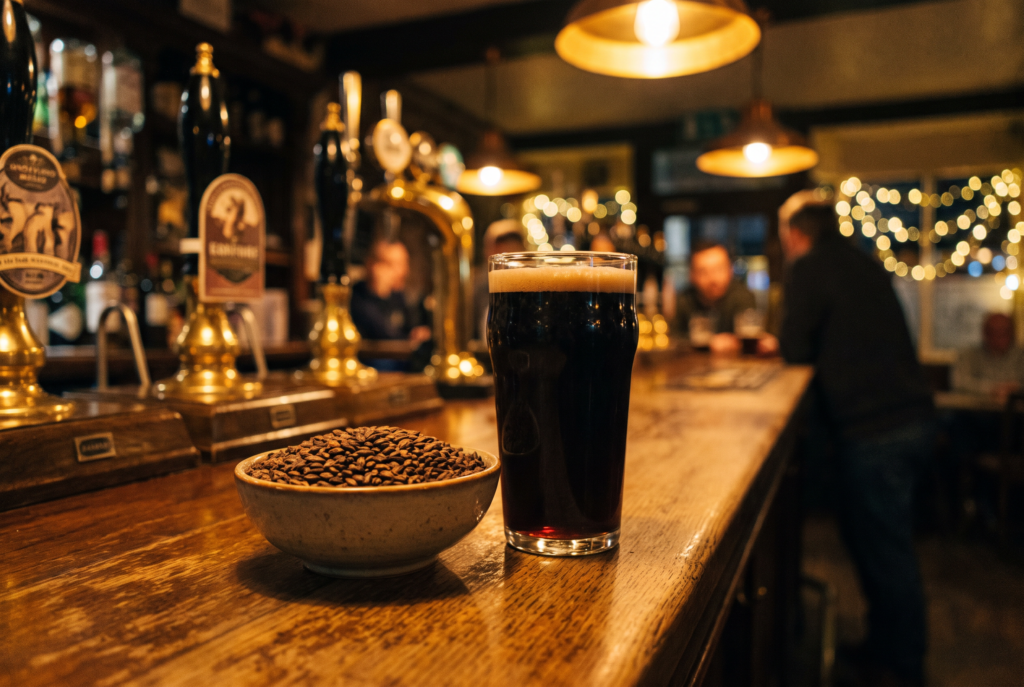
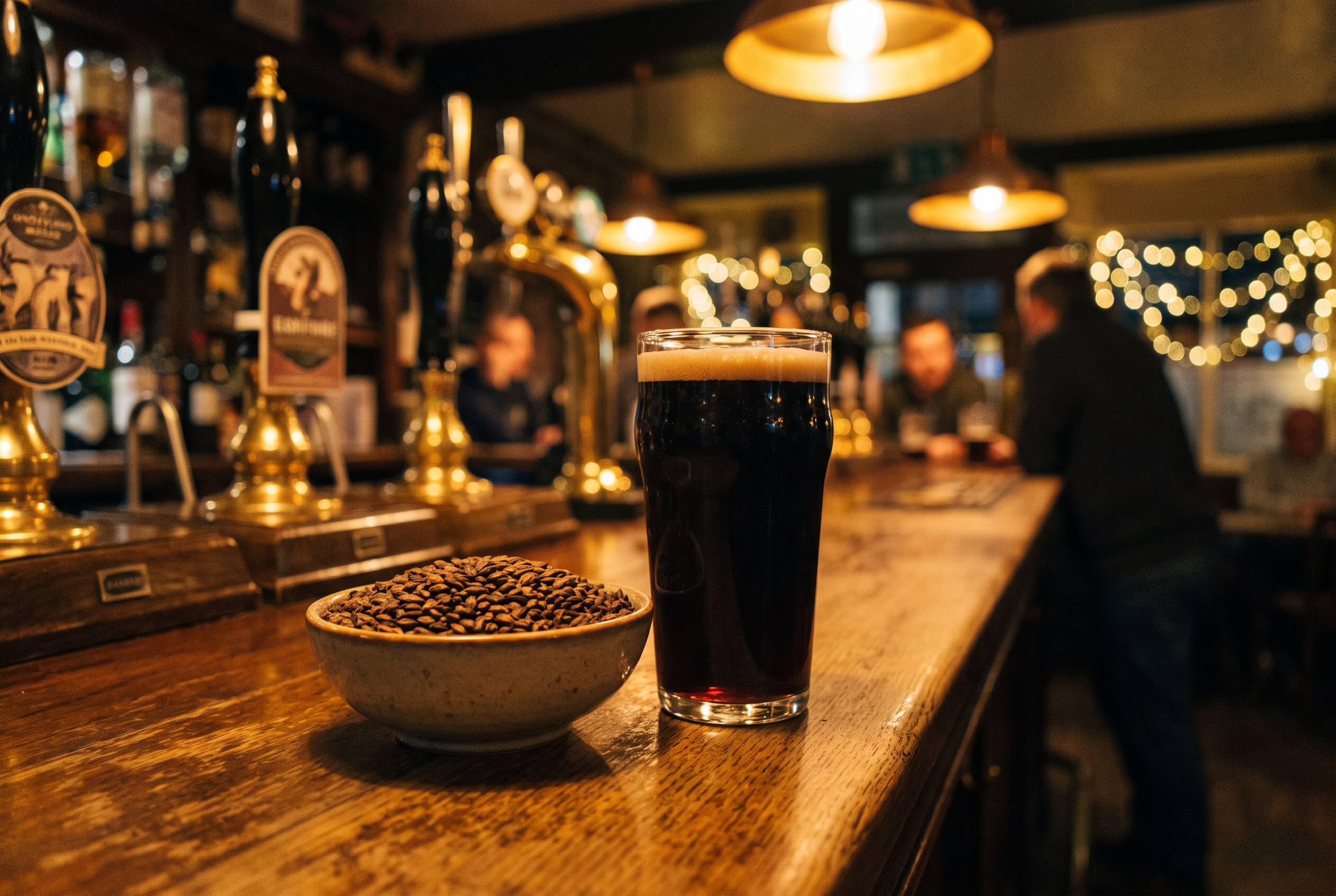
Stout’s defining feature is roast, and a big part of that comes from roasted barley. Brewers often use this grain, sometimes unmalted, meaning it skips the usual malting step before being roasted. It brings a particular kind of bitterness: drier and more coffee-like than the malt found in many porters or brown ales.
Picture the difference between a mug of hot chocolate and a short black. Both are dark and comforting, but the second one has a firm, dry grip at the back of your tongue. That’s the territory stout lives in.
On the palate, you might find:
Stouts also tend to feel fuller in the mouth. The texture is rounder and plusher, leaving a velvety coating behind after each sip, a little like the difference between skimmed milk and whole milk.
At Craft Beer by Ki-setsu, we often hear people say they “don’t like stout” when what they really mean is they had one too-bitter pint years ago. A good stout’s bitterness is more like dark chocolate than medicine. It’s worth another go.
Because “dark ale” isn’t a single defined style, its meaning shifts with context. On a menu, it could point to any of these:
Brown ales usually sit at the gentler end. Expect toasted bread crust, a little caramel and sometimes a nutty note, like the browned edge of a biscuit. The roast is light, if it’s there at all.
Porters bring more roast than a brown ale, with coffee and chocolate in the picture. Think breakfast coffee and a brownie rather than a sharp espresso shot. The body sits in the middle, substantial without being heavy.
And sometimes “dark ale” simply means a stout, with all the dry, espresso-like bitterness and fuller body described above.
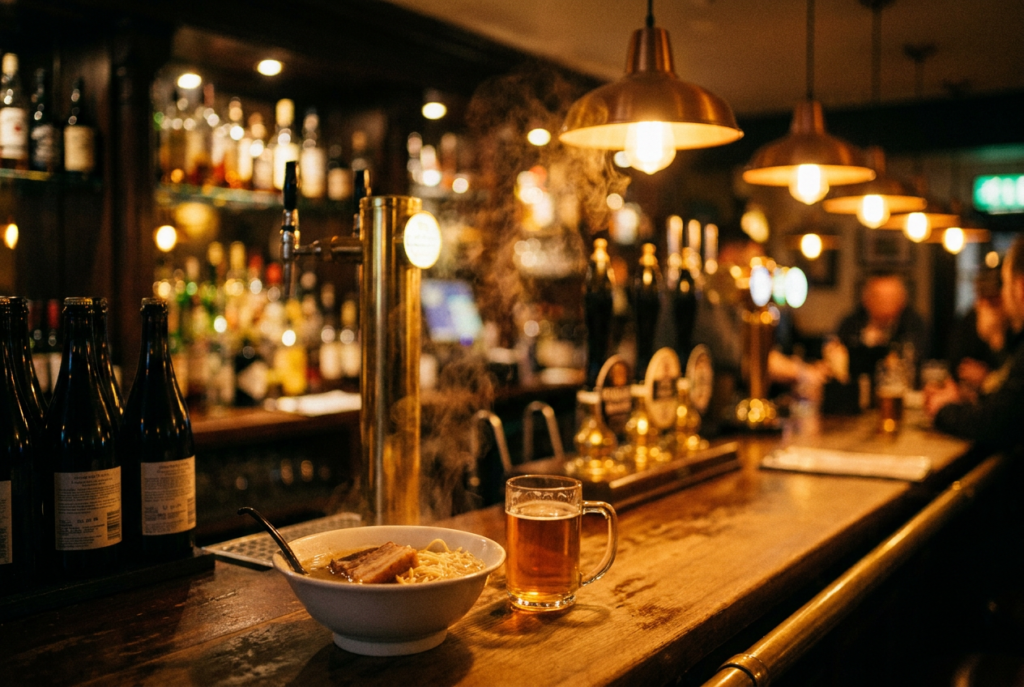
That’s a wide range for two little words. It’s a bit like a menu listing “noodles”. Helpful, sure, but you’d still want to know whether you’re getting delicate somen or a rich bowl of ramen.
When a menu says “dark ale”, treat it as a starting point rather than an answer. Ask what’s actually in the glass. A few easy questions will do it:
Good bar staff enjoy these questions. Nobody will think you’re fussy for asking. You’re simply making sure the beer you order is the beer you actually want. If you’d like a sense of the wider range before you go, our round-up from Craft Beer by Ki-setsu on the best craft beers in Singapore is a handy place to start.
The easiest way to understand the difference is to taste it. Next time you’re at Craft Beer by Ki-setsu at Fortune Centre, ask the team whether a stout and another dark ale, such as a porter or brown ale, are pouring. If they are, order one of each and set them side by side.
Start with the look. Hold both up to the light and see which lets more glow through at the rim. Then smell each one. Is it toasted bread and caramel, or espresso and cocoa powder? Take a sip of the non-stout first, then the stout, and pay attention to the finish. Notice which one leaves that dry, coffee-like grip at the back of your tongue, and which feels plusher and fuller as it goes down. Add a glazed skewer if you’re hungry and see which beer you reach for after each bite.
Ten minutes and two glasses will teach you more than any label. Drop by and see for yourself.
Is stout a type of dark ale? Yes. Stout is one kind of dark-coloured ale, but not every dark ale is a stout.
Is “dark ale” an official beer style? No. It’s an informal, catch-all term rather than a single defined category in the BJCP guidelines. It can refer to porters, brown ales or stouts.
What gives stout its flavour? Stouts often use roasted barley, sometimes unmalted, which brings a drier, more coffee-like bitterness than the malt in many porters or brown ales.
What should I do if a menu just says “dark ale”? Ask the bar team what it actually is. Find out whether it’s closer to a brown ale, porter or stout, and whether it leans towards coffee or caramel.
How can I taste the difference between a stout and other dark ales? Order a stout and another dark ale side by side. Compare the colour, aroma, bitterness and body, and notice which has the drier, espresso-like finish.