FOOD PAIRING
01
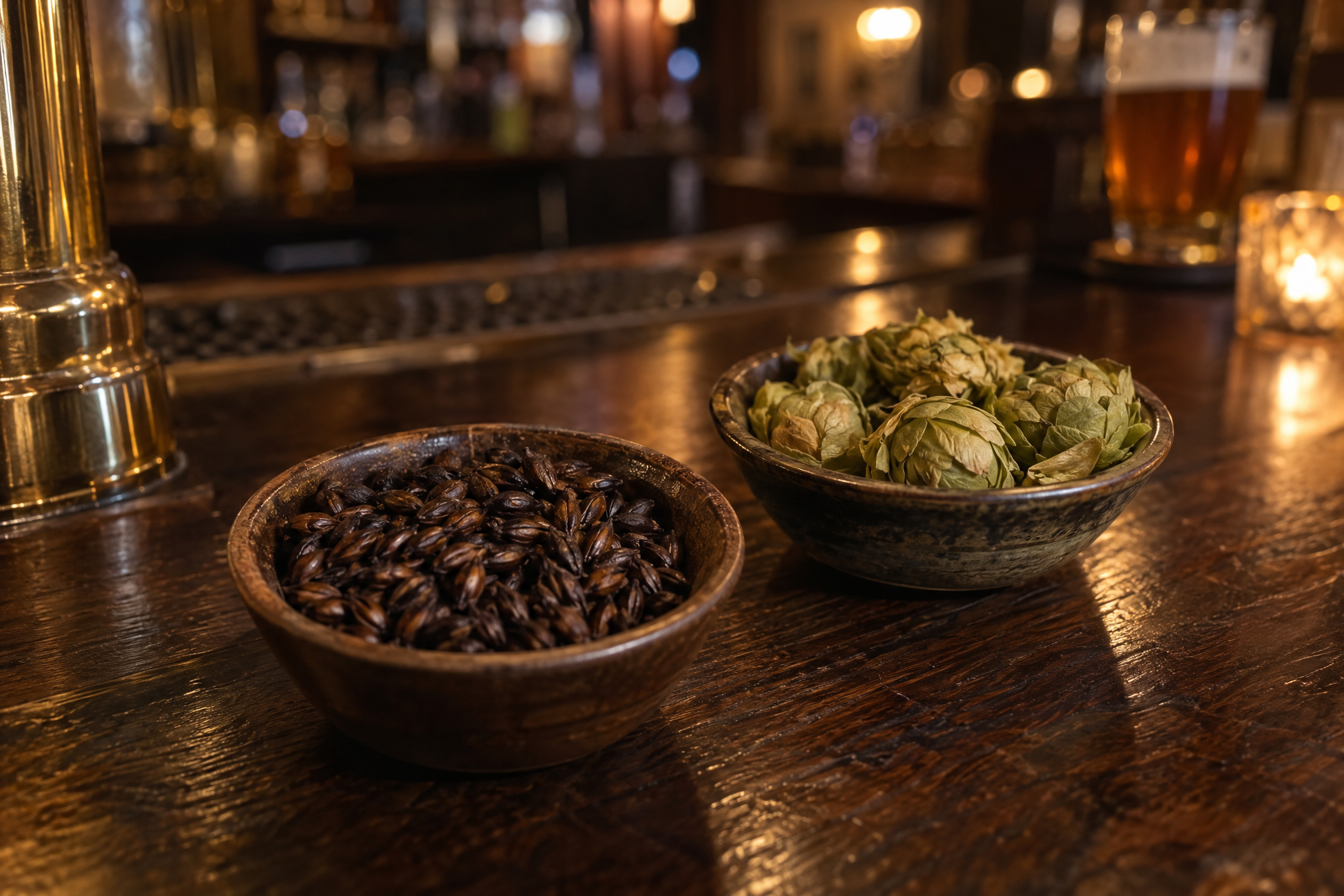
Beer drinkers often use “bitter” as a single word, but it describes two entirely different sensations. Hop bitterness is sharp and resinous, built by hop cones in styles like IPA. Roasted-malt bitterness is dark and coffee-like, built by roasted grain in porters and stouts. The BJCP style guidelines even place these two families in separate categories, because the ingredient doing the work is completely different. Knowing which one you actually enjoy makes ordering a lot easier.
Ask two people what “bitter” beer they like and you might get two completely different drinks placed in front of them. One person hands you a heavily hopped IPA, all pine resin and grapefruit pith on the back of the tongue. Another hands you a stout, thick with the taste of dark chocolate and burnt coffee grounds. Both are bitter. Neither tastes anything like the other.
This mix-up happens constantly at the bar. Someone says “I don’t like bitter beers” after one rough experience with an aggressively hopped IPA, then goes on to order a stout without realising it’s bitter too, just from a different source entirely. Getting clear on where that bitterness actually comes from changes how you order, and it might open up a whole side of the menu you’d written off.
Hop bitterness comes from hop cones, the flower of the hop plant, added during the brewing process. The compounds inside hops (mainly alpha acids) get isomerised during the boil, and that’s what delivers the sharp, resinous, sometimes almost grapefruit-pith bitterness you taste in a well-hopped beer. It’s a clean, quick bitterness. It hits the sides of your tongue and the back of your throat, and it tends to fade rather than linger.
This is the bitterness most people picture when they hear the word “bitter” applied to beer, largely because it’s the loudest version of it.
IPAs are the obvious example, and within IPA there’s a real split in intent. Some IPAs are built to showcase aroma, all tropical fruit and citrus on the nose with a softer finish. Others are built specifically for bitterness itself, using hop varieties and brewing techniques chosen to push that sharp, resinous edge to the front rather than let aroma lead. If you’ve had an IPA that felt almost medicinal or piney with a long, dry, bitter finish, that’s a beer leaning hard into hop bitterness over hop aroma.
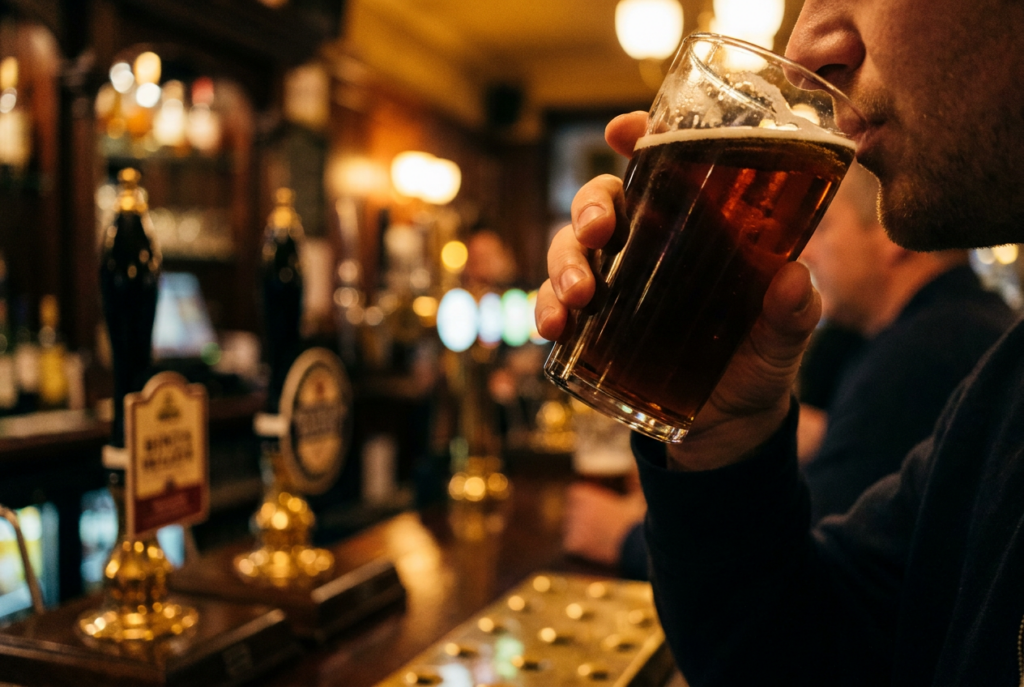
English-style bitters sit in a different lane again. They’re generally lower in alcohol and gentler in their hop character than an American IPA, but the name isn’t an accident. The bitterness is there by design, just at a more sessionable volume, meant to balance a biscuity malt backbone rather than dominate it.
According to the BJCP style guidelines, hop-forward styles like IPA sit in their own distinct category, separate from the dark, roasted styles. That’s a deliberate structural choice, and it reflects a genuine difference in how the beer is built, not just a difference in flavour intensity.
If you’re the sort of drinker who explores widely, it’s worth spending an evening working through a properly curated line-up of craft beer Singapore has to offer, specifically comparing an aroma-led IPA against a bitterness-led one side by side. The difference is more obvious tasted back to back than described in a paragraph.
Roasted-malt bitterness comes from an entirely different ingredient. Instead of hop cones, this bitterness is built by roasted grain, malt that’s been kilned dark, the same basic process that turns pale bread into toast and then into something closer to charcoal if you push it far enough. That roasting process creates coffee-like and chocolate-like bitter compounds, and those are what you’re tasting in a dark beer, not hops.
This is a slower, rounder kind of bitterness. Rather than hitting the sides of your tongue sharply, it tends to sit on the back of the palate, often with body and weight behind it, closer to the bitterness of a dark-roast espresso than the bitterness of grapefruit pith.
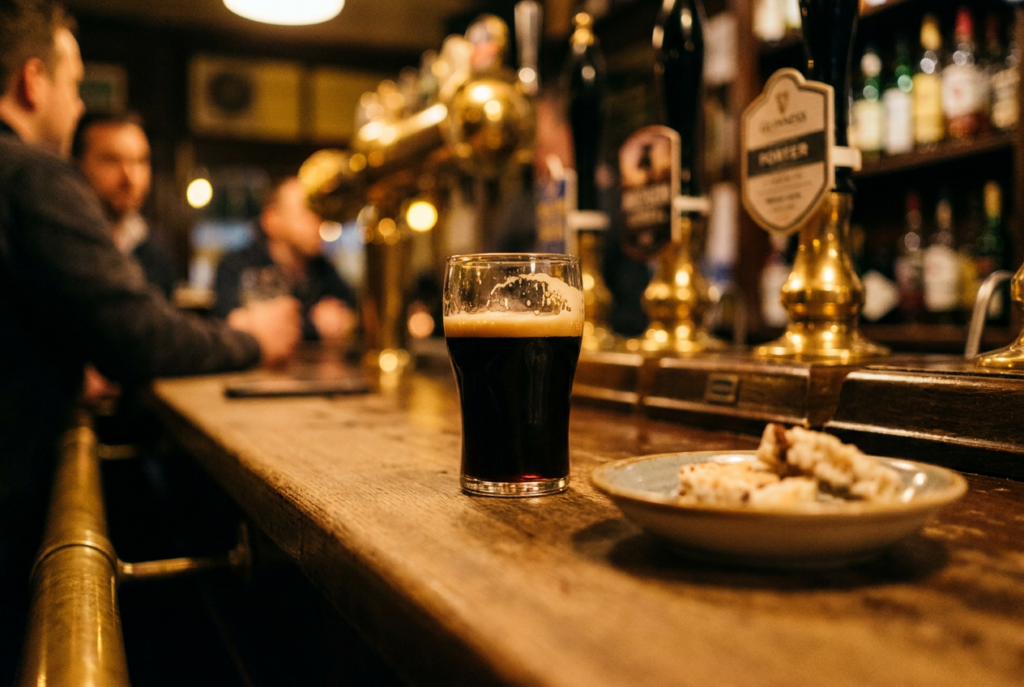
Porters and stouts are the clearest examples. According to the BJCP style guidelines, American Porter is described as medium-brown to very dark brown in colour, with a medium to medium-full body, and the roasted malt is doing the heavy lifting on flavour rather than the hops. Picture dark chocolate up front, a little burnt-coffee edge in the middle, and a dry, roasty finish. That’s roasted malt at work, not hop resin.
Stouts push further along the same road, often with an even darker roast character and more of that coffee-ground bitterness sitting underneath whatever sweetness the malt brings to balance it.
Hops are still present in porters and stouts. Every beer needs some hop addition for balance and shelf stability. But in this family, hops are a supporting player. The roasted grain is what actually defines how bitter the beer tastes and where that bitterness sits on your palate.
Here’s the practical upshot: someone who says “I hate bitter beer” after a bad experience with a resin-bomb IPA might genuinely love a good stout, because the two bitternesses don’t feel remotely alike in the mouth. The reverse is just as true. Plenty of drinkers who find hoppy IPAs too sharp and dry on the tongue take happily to a well-made English bitter, because that style’s hop bitterness is dialled back and balanced against a gentler malt sweetness.
Treating “bitter” as one flavour means you might be ruling out half the beer menu based on one bad glass. A stout and an IPA can both sit at the bitter end of the spectrum and still have almost nothing else in common: different mouthfeel, different finish, different temperature at which they taste their best, different food they sit well against.
This is exactly the kind of thing worth working through if you’re trying to build out your own sense of what you actually like, rather than what you think you’re supposed to like. There’s a reason guides to the best craft beer in Singapore tend to separate hop-forward and malt-forward styles into their own sections rather than lumping everything labelled “bitter” together. They’re not the same conversation.
Next time you’re at a bar and someone recommends “something bitter,” it’s worth a follow-up question: hop-bitter or malt-bitter? Sharp and resinous, or dark and coffee-like? That one question saves you from ending up with a beer that technically matches the word but misses what you were actually after.
The easiest way to work this out for yourself is to taste both ends side by side rather than guessing from memory. Drop into an easygoing craft beer bar and izakaya in Singapore, tell the staff whether you’re chasing the sharp hop-resin kind of bitter or the dark, roasted-coffee kind, and let them steer you toward the right glass. It’s a much faster route to finding your actual preference than ordering blind and hoping for the best.