FOOD PAIRING
01
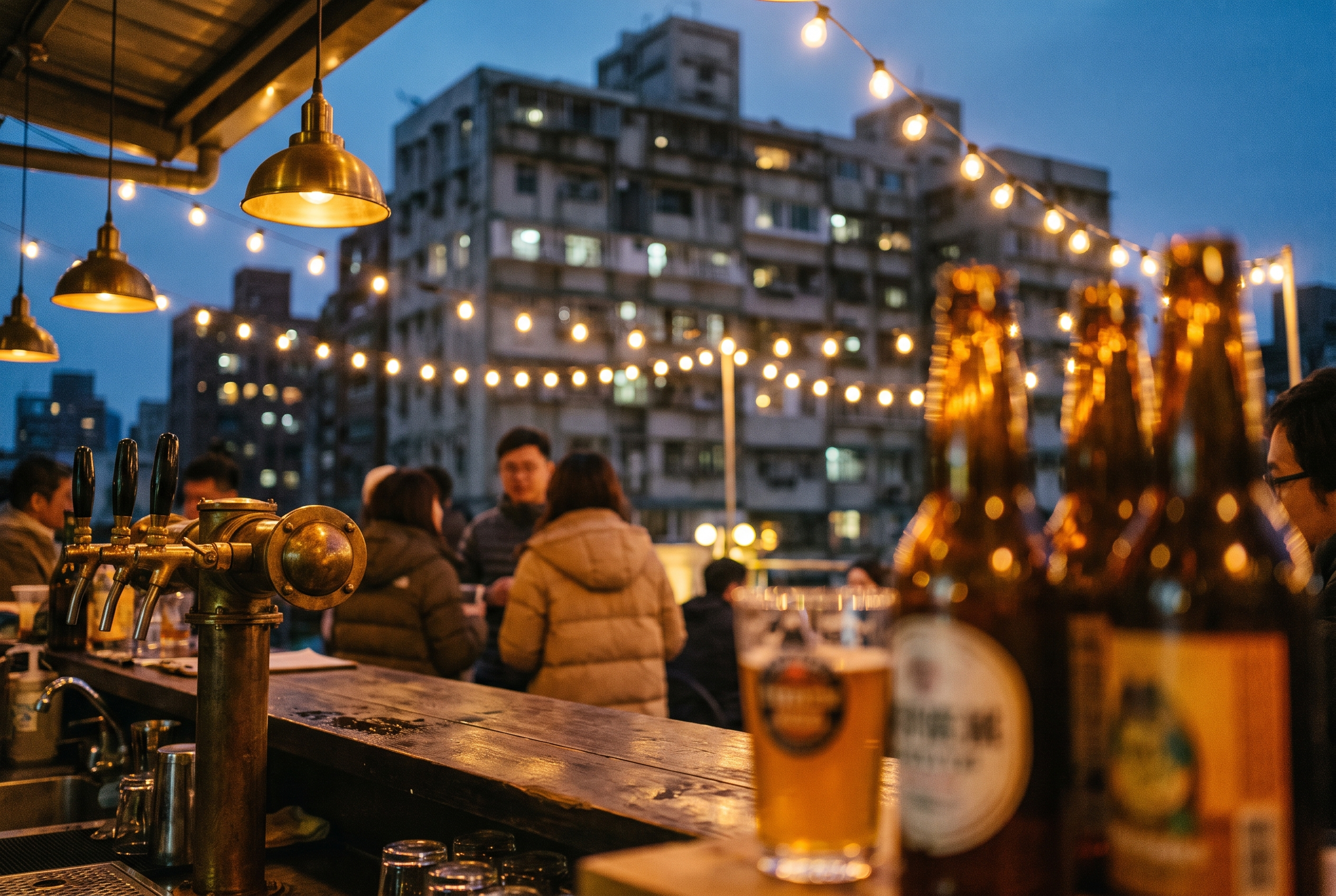
Taiwan’s beer industry was a government monopoly until 2002, when the country’s entry into the World Trade Organisation opened the market to independent brewers for the first time. In the two decades since, Taipei breweries such as Taihu Brewing, Redpoint Brewing Company and Zhang Men Brewing have built a small, inventive scene that blends familiar Western styles with local ingredients like kumquat. It’s still young and largely homebrewer-driven compared to Japan’s, but there’s genuine substance here, and reason enough to seek it out next time you’re at Craft Beer by Ki-setsu.
For most of the twentieth century, if you wanted a beer in Taiwan, you drank Taiwan Beer. There wasn’t really another option. The state held a monopoly on beer production, and independent brewing simply wasn’t legal. That changed in 2002, when Taiwan joined the World Trade Organisation and, as part of the terms of entry, opened its beer market to competition. It’s a similar story to what happened in several Asian markets around the same period: liberalisation on paper, followed by a slower, messier process of actually building an industry from scratch.
The Brewers Association in the US defines a craft brewer as one that is small and independent, and while Taiwan’s regulatory framework is its own thing entirely, that same idea, small operations working outside the old state system, is exactly what 2002 made possible. It’s the reason Taiwan’s craft scene exists at all, and it’s worth keeping in mind as you look at the breweries that have emerged since.
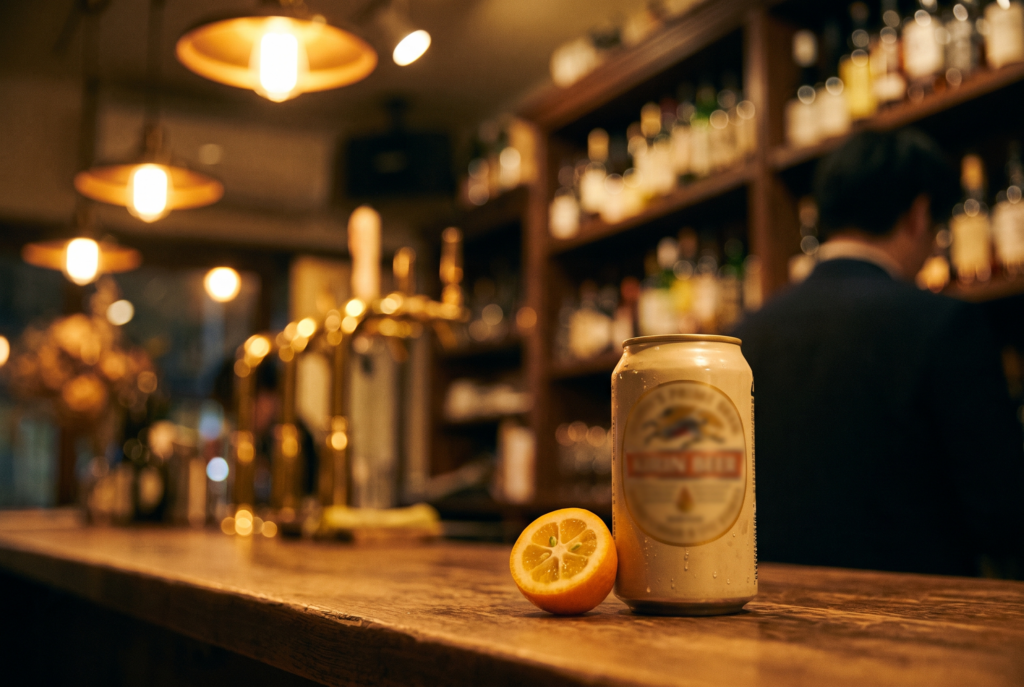
Taihu Brewing is one of the names most associated with the early years of this shift. Founded in Taipei around 2014, Taihu built its reputation on styles that lean directly into Taiwanese produce rather than importing a Western beer wholesale and calling it a day. Its kumquat kolsch is the clearest example: a German-style kolsch base given a Taiwanese citrus fruit that adds a sharp, slightly floral sourness you won’t get from lemon or lime. Its Taiwanese-style wheat beer works the same way, taking a familiar wheat beer structure and steering the flavour somewhere more local.
Taihu now runs multiple taprooms across Taipei, which says something about how far the brand has travelled since 2014. For a brewery that started when the market itself was barely a decade old, that kind of expansion is a decent indicator of how much appetite there is for beer with a distinctly Taiwanese accent.
Redpoint Brewing Company came from a different starting point. It was founded by two expats, and its beers lean closer to American craft beer conventions than Taihu’s Taiwan-first approach. That doesn’t mean Redpoint ignores where it’s brewing. The local touches show up in smaller ways, whether that’s an ingredient choice or a collaboration, layered onto a base that will feel immediately familiar to anyone who’s spent time drinking American pale ales or IPAs.
It’s a useful contrast to Taihu. Where one brewery is asking “what can Taiwanese ingredients do to a European style,” the other is asking “what happens when American craft beer sensibilities meet a Taiwanese setting.” Both are legitimate answers to the same broader question about what Taiwanese craft beer actually is.
Zhang Men Brewing has taken a different route again, building out a network of taprooms across Taipei, including locations on Yongkang Street and at Songgao, each pouring a wide-ranging tap list. Rather than anchoring itself to one signature style the way Taihu has with its kumquat kolsch, Zhang Men spreads across IPAs, sours and seasonal lagers, giving drinkers a rotating snapshot of where the brewery’s head is at any given month.
That breadth is part of what makes Zhang Men worth knowing. If Taihu is the brewery you visit for something distinctly Taiwanese, Zhang Men is closer to the brewery you visit because you’re not sure what you want yet and you’d like options.
Compared to Japan, where craft brewing has had decades longer to mature into a deep, regionally varied industry, Taiwan’s scene is still finding its feet. Much of it remains driven by homebrewers who’ve stepped up into commercial production rather than large, established brewing companies branching into craft. North Taiwan Brewing is another name that’s carved out a more established position in that landscape, alongside Taihu, Redpoint and Zhang Men.
None of this is a knock against the quality of what’s being made. It’s simply a reflection of timeline. Twenty-odd years since liberalisation isn’t very long for an industry to go from zero to fully mature, and the fact that Taipei already has several breweries with real identity and a growing taproom presence says the trajectory is a good one.
Taiwan doesn’t get talked about in the same breath as Belgium, the US or even Japan when people discuss craft beer, and that’s exactly the reason to pay attention. A kumquat kolsch or a Taiwanese-style wheat beer offers a flavour experience that’s genuinely distinct from the usual rotation of pale ales and stouts, precisely because it’s drawing on ingredients and a brewing history that most drinkers outside Taiwan haven’t encountered.
If you’re the sort of drinker who enjoys some of the best craft beer spots in Singapore for exactly this reason, discovering something a little off the beaten path, Taiwanese craft beer is worth putting on your list. Next time you’re at Ki-setsu’s craft beer bar, ask what’s currently pouring from Taiwan, and if there’s a kumquat kolsch or a Taiwanese wheat beer on the rotation, that’s your sign to order it. It’s a small, easy way to taste a craft beer scene most people haven’t caught up to yet, and reason enough to keep exploring craft beer here in Singapore beyond the usual suspects.