FOOD PAIRING
01
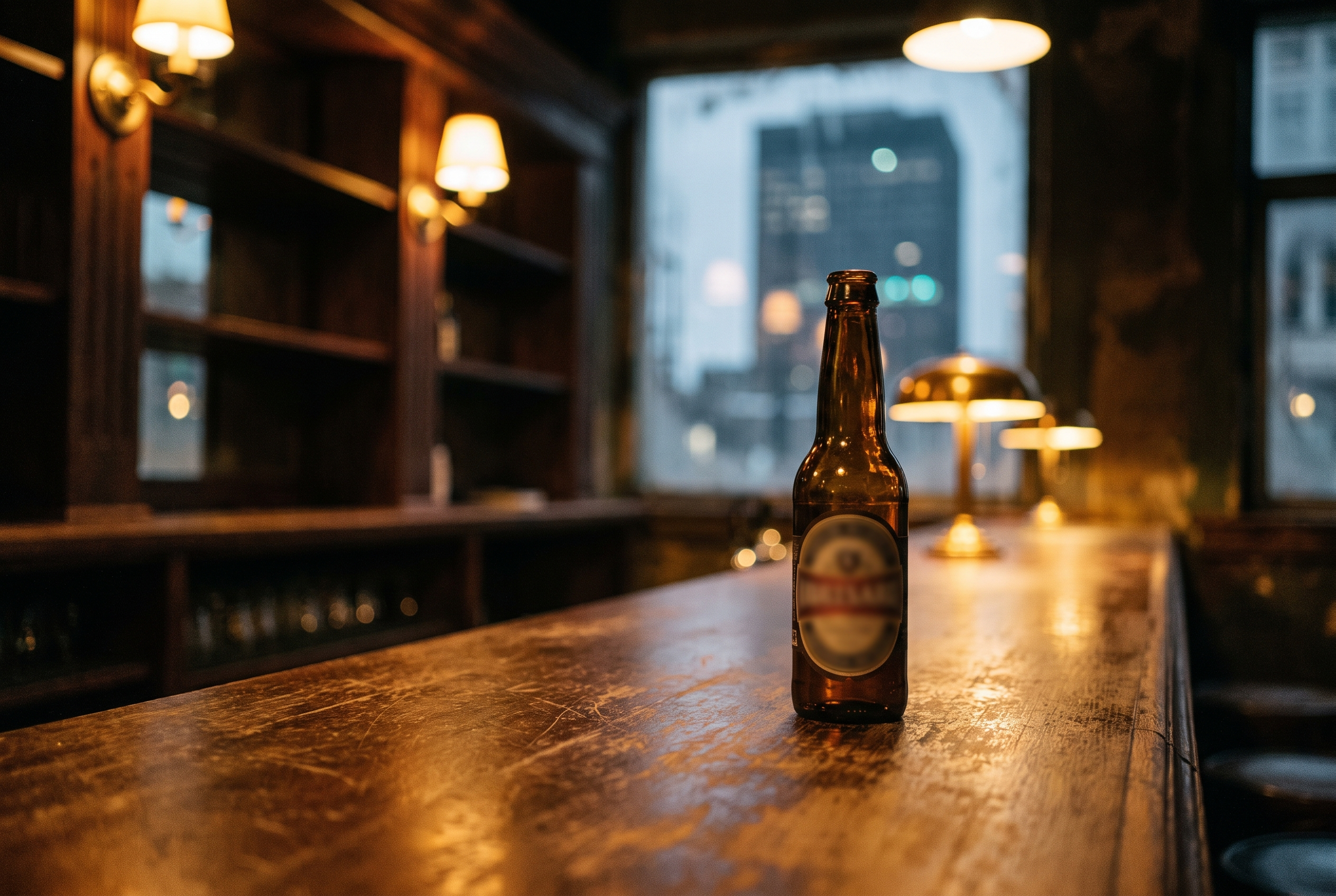
Craft beer isn’t defined by flavour, hops, or how “authentic” it tastes. According to the Brewers Association, a craft brewer is defined by two structural facts: being small (below a set production ceiling) and independent (less than 25% owned by a non-craft alcohol company). It’s a business classification, not a quality stamp.
Ask ten people what makes a beer “craft” and you’ll get ten different answers involving hops, small batches, or some vague sense of authenticity. None of it holds up. The word has nothing to do with what’s in the glass. It describes who owns the brewery and how big it’s allowed to get before it loses the label.
That distinction matters more than most drinkers realise, and it’s worth untangling properly before your next trip to a craft beer bar.
The Brewers Association, the US trade group most commonly cited on this topic, defines a small and independent brewer using two specific criteria.
Small means an annual production ceiling. A brewery has to stay under that cap to qualify, which keeps the whole definition tied to scale rather than to whatever’s happening in the mash tun. It doesn’t matter if the beer is hazy, barrel-aged, or a straightforward lager. Size is the test.
Independent means less than 25% of the brewery can be owned or controlled by a beverage-alcohol company that isn’t itself a craft brewer. Once a large drinks conglomerate buys a big enough stake, the brewery falls outside the definition, no matter how the beer tastes or how the label still says “founded by two friends in a garage.”
Put those two together and you get a definition built entirely on structure. Nothing about hops, adjuncts, or brewing technique factors in at all.
This is the part that’s easy to skip past, because “independent” sounds like a technicality until you follow it through to what it changes day to day.
At a genuinely independent brewery, decisions about what to brew next stay with the people who own the place. There’s no shareholder report demanding the next quarter’s growth numbers, no head office in another country signing off on recipes. That doesn’t guarantee interesting beer, but it removes one of the biggest reasons breweries stop taking risks: a corporate parent that wants predictable, scalable output above all else.
Independent breweries also tend to have more room to sit on a strange batch, run a one-off collaboration, or bring back a style that will never be a bestseller. A brewery answering to a beverage-alcohol conglomerate’s growth targets has less room for that kind of detour, because the whole point of the acquisition was usually to standardise and scale what already worked.
None of that shows up in the tasting notes. It shows up in what gets brewed in the first place.
No, and this is worth being clear about. Large commercial breweries can and do make well-regarded beer. Being “craft” under the Brewers Association’s definition isn’t a claim about quality, it’s a claim about structure and ownership. A brewery can lose its craft status the moment a conglomerate buys a large enough stake, while the recipe in the tank stays exactly the same the next morning.
So the useful question isn’t “is this craft, therefore good.” It’s closer to: who’s making the calls here, and what does that usually mean for what ends up in the taps? If you care about supporting small, independent decision-making, the ownership structure is the thing to look at. If you just want a beer you enjoy, that’s a separate question entirely, and there’s no shame in the answer sometimes being a beer from a huge company.
This is really why a rotating tap list matters more than a fixed one. When a bar isn’t locked into a handful of contracts with the big players, it’s free to bring in whatever’s genuinely interesting that month, whether that’s a small Japanese brewery’s seasonal release or a Taiwanese sour nobody’s heard of yet.
That’s the idea behind Craft Beer by Ki-setsu‘s approach: less about chasing a trend, more about giving small and independent breweries the shelf space to show up at all. Next time you’re in, skip your usual order and ask what’s new on Craft Beer by Ki-setsu’s rotating selection. You might not be able to name why it’s “craft” off the top of your head, but now at least you’ll know what the word is actually pointing at.