FOOD PAIRING
01
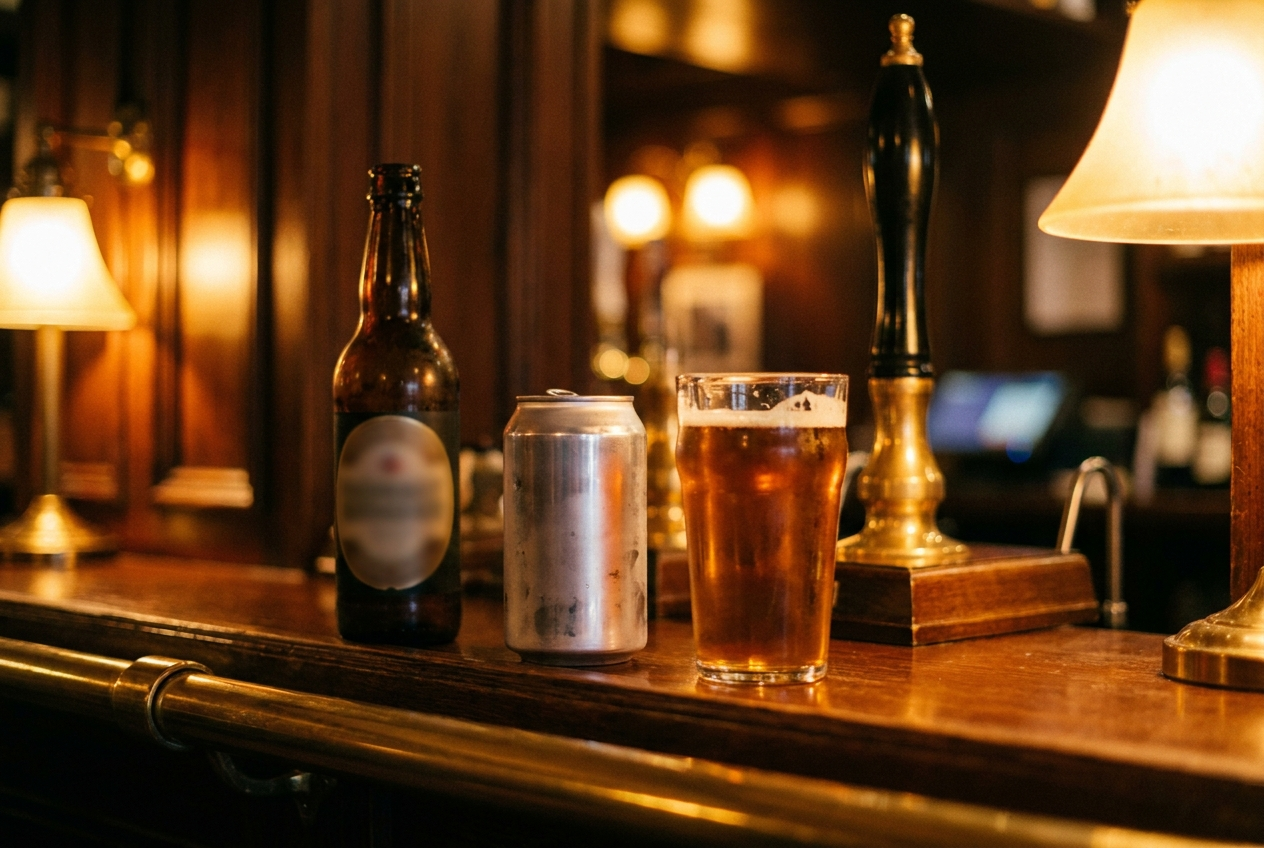
The beer inside a keg, bottle or can starts out identical. What changes is how it’s stored and served before it reaches your glass. Draft beer sits in a chilled, pressurised keg and never sees light until it’s poured. Cans block light completely and seal tighter than bottle caps, which helps protect hop aroma. Bottles, especially clear or green glass, let more light through, which can lead to a musty reaction known as skunking over time.
Here’s the thing that surprises most people: the recipe doesn’t change based on the packaging. A brewery isn’t cooking up a “draft version” and a separate “canned version” of the same beer. It’s the same tank, the same yeast, the same hops. The differences show up later, in how that beer is stored, how long it travels, and how much light and oxygen it meets along the way. Understanding that gap is the key to understanding why the same beer can taste noticeably different depending on how it lands in front of you.
Once a batch is finished fermenting, it gets split into whatever packaging the brewery is using that week: kegs, cans, bottles, sometimes all three. From that point on, three separate stories begin. One story involves a steel keg and a tap line. Another involves a sealed aluminium can. The third involves glass, which behaves very differently depending on its colour. None of these paths change the beer’s flavour on day one. What they do change is how well that flavour holds up by the time it reaches you.
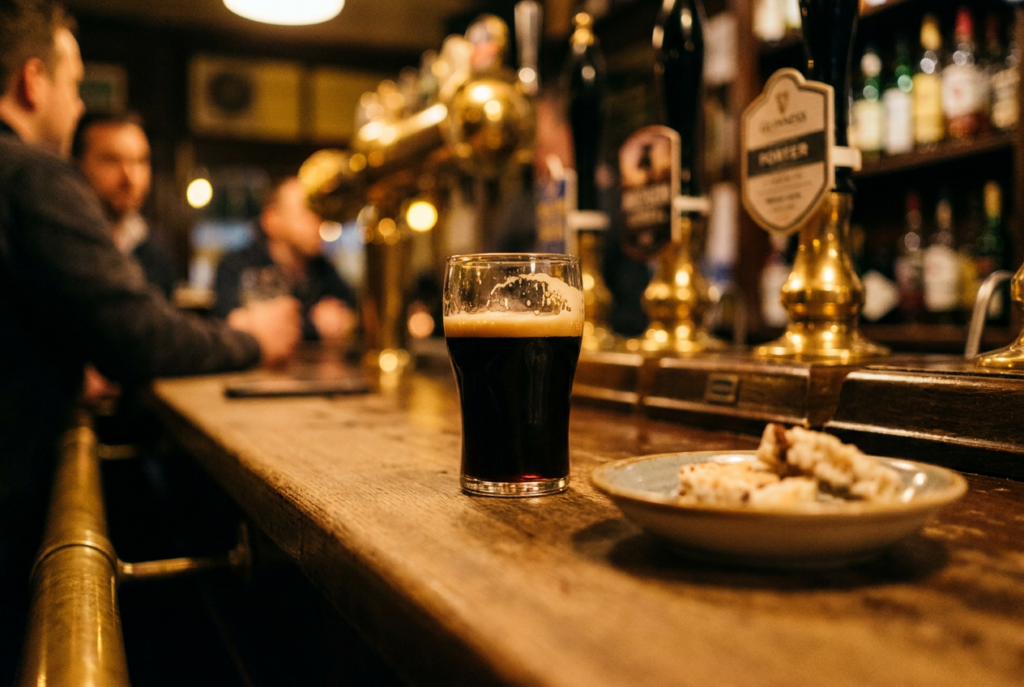
Draft beer lives inside a chilled, pressurised keg from the moment it leaves the brewery until the moment it’s poured through a tap. That keg is sealed and kept cold the whole way, and critically, the beer inside never sees a single ray of light. No light exposure means no risk of the beer reacting badly to it. Combine that with consistent refrigeration, and it’s easy to see why draft beer here in Singapore is often the format people describe as tasting freshest, particularly for hop-forward styles that are sensitive to both heat and light.
Aluminium cans do two things well. First, they block light entirely; nothing gets through a sealed can, full stop. Second, a can’s seal is typically tighter against oxygen than a bottle cap. Oxygen is one of the main things that dulls hop aroma over time, so a tighter seal means that citrusy, piney or floral hop character has a better chance of surviving the trip from brewery to fridge to glass. That’s a big part of why so many hop-driven styles, from pale ales to IPAs, have shifted toward cans over the last decade.
Yes, and it comes down to simple physics. Clear and green glass let far more light through than brown glass does. When beer is exposed to light for an extended period, particularly UV light, it can trigger a chemical reaction that brewers and drinkers alike call “skunking.” The name comes from the smell it produces: a musty, slightly sulphuric aroma that has nothing to do with the beer’s original character. Brown glass blocks far more of that light, which is why it offers noticeably better protection than clear or green bottles. If you’ve ever wondered why some beers are bottled in dark brown glass while others sit in clear glass on a sunny shelf, this is the reason.
None of this means one format is universally “better.” A well-kept keg behind a good tap system can be excellent. A can that’s been sitting in a hot car for a week is not. A brown bottle stored in a dark cellar will fare far better than a green bottle left under fluorescent supermarket lighting for months. Storage and handling matter just as much as the format itself.
At Craft Beer by Ki-setsu, the rotating selection leans mainly on bottles and cans, which makes sense for a bar built around variety. It’s a far easier way to rotate breweries, styles and countries regularly without needing a dozen kegs on tap at once. Meanwhile, Suntory The Premium Malt’s Pilsner is kept fresh as the house draft pour, giving regulars a consistent, on-tap option alongside whatever’s rotating through the bottle and can selection that week. It’s a practical split: variety through packaged beer, a dependable draft pour for the classic Japanese pilsner experience.
Next time you’re deciding between a canned pale ale and a bottled lager, think about what you’re chasing. Hop aroma and light protection point toward a can. A classic, no-fuss pilsner served ice cold from a tap is hard to beat on its own terms. Either way, the format is a tool, not a hierarchy.
If you’re curious to taste the difference for yourself, Craft Beer by Ki-setsu at Fortune Centre is a relaxed craft beer bar worth checking out in Singapore, with a rotating line-up of bottles and cans alongside its house draft pilsner. Come in, order one of each if you like, and see which one lands with you.