FOOD PAIRING
01
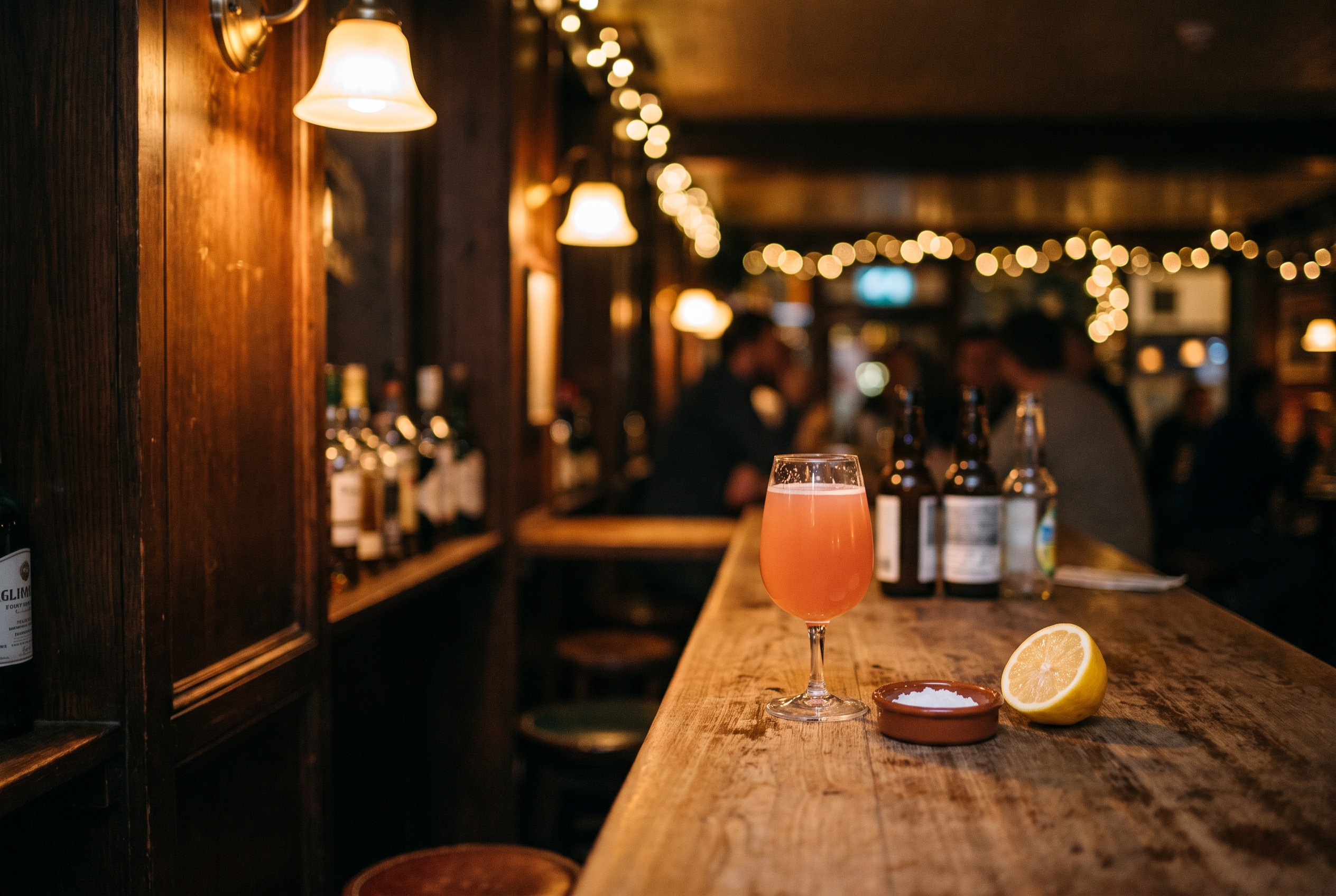
Sour beer gets its character from bacteria and wild yeast that produce lactic acid, giving it a tart, sometimes funky edge. Pale ale is fermented cleanly and built around hops, which supply bitterness, citrus, and pine notes. The difference comes down to fermentation, not just flavour.
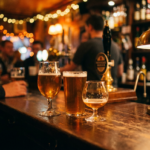
Two beers can sit side by side on a bar and look almost identical, pale gold, a little hazy, a decent head, and still taste like they came from different planets. That’s sour beer and pale ale for you. One leans on souring bacteria and wild yeast strains to build its personality. The other leans on hops. Once you understand that split, the flavour differences make a lot more sense.
Sour beer is deliberately fermented using lactic-acid-producing bacteria, wild yeast strains, or a mix of both. This is a departure from the clean fermentation most other beer styles rely on, where brewers work hard to keep any wild bacteria out of the tank. With sour beer, the brewer invites it in on purpose.
Common culprits include Lactobacillus, Pediococcus, and wild Brettanomyces yeast. Each contributes something different:
Brewers might add these cultures directly to the fermenter, let the beer sour in open vessels, or age it in wooden barrels for months or even years.
The BJCP style guidelines place sour styles in their own dedicated categories, European Sour Ale and American Wild Ale, kept separate from the pale ale and IPA categories entirely. That’s not a minor administrative detail. It reflects the fact that sour beer’s entire fermentation approach is fundamentally different from almost everything else on the shelf.
If you’re the sort of drinker who likes to know exactly what you’re getting into before ordering, this guide to the best craft beer is worth bookmarking. It’s a solid starting point for working out which styles are worth chasing first.
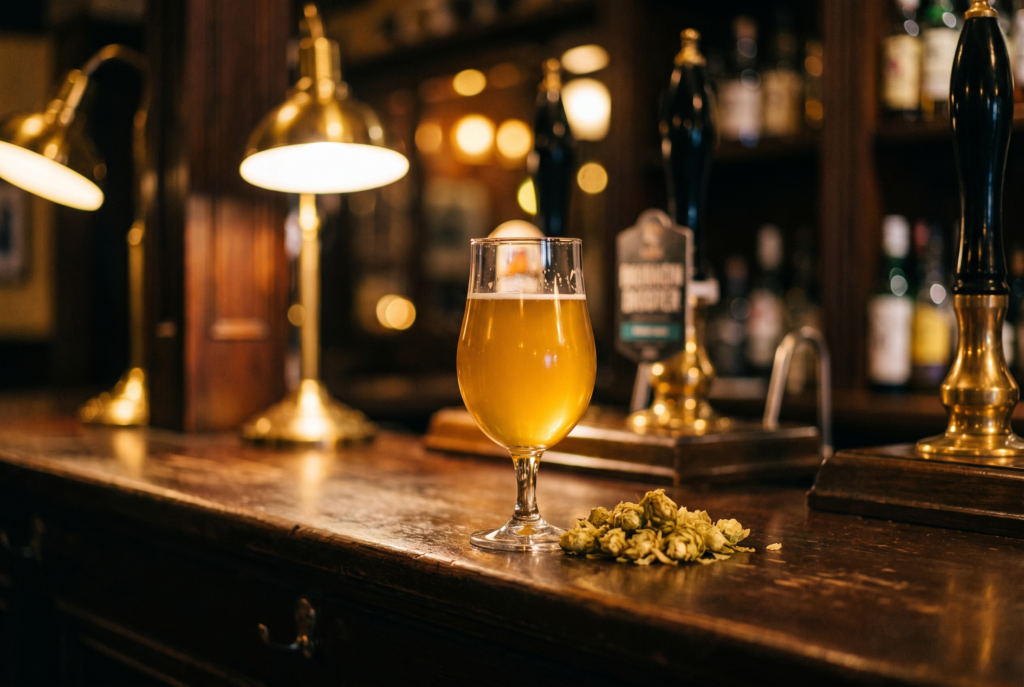
Pale ale takes the opposite approach. It’s fermented cleanly, with no souring bacteria involved at any stage, and it draws its flavour and aroma almost entirely from hops. Brewers add hops at different points in the brewing process. Early additions during the boil extract bitterness. Later additions, sometimes added after fermentation in a process called dry hopping, contribute aroma and flavour without much bitterness at all.
The specific hop varieties used will shape the whole beer. Some hops lean citrusy, pushing towards grapefruit or lemon peel. Others lean resinous, closer to pine needles or fresh-cut grass. Malt still plays a supporting role, providing a light bready or biscuity backbone, but it rarely takes the lead the way hops do.
Within the pale ale family there’s a useful benchmark worth knowing. American Pale Ale generally carries lower bitterness and lower alcohol than American IPA, according to the BJCP style guidelines. So if a pale ale on the menu feels more restrained than an IPA sitting next to it, that’s by design, not a fluke of that particular batch.
Sour beer typically leads with tartness, often described as lemony or vinegar-adjacent depending on the style and how long it’s been aged. Some examples stop there. Others, particularly those built around Brettanomyces or extended barrel ageing, add a funkier layer underneath, sometimes hay-like, sometimes faintly leathery. The finish tends to be dry, occasionally puckering, and rarely sweet.
Pale ale takes a different path entirely. Expect citrus peel, sometimes pine, sometimes a herbal, grassy quality, all sitting on top of a bitterness that ranges from gentle to firm depending on the specific beer. There’s no tartness at all. Instead, the malt underneath provides just enough sweetness and body to keep the hops from feeling harsh or one-dimensional.
Put a glass of each in front of someone who’s never tried either, and the difference is obvious within the first sip. One puckers. The other bites back with bitterness. Neither is trying to be subtle about what it is.
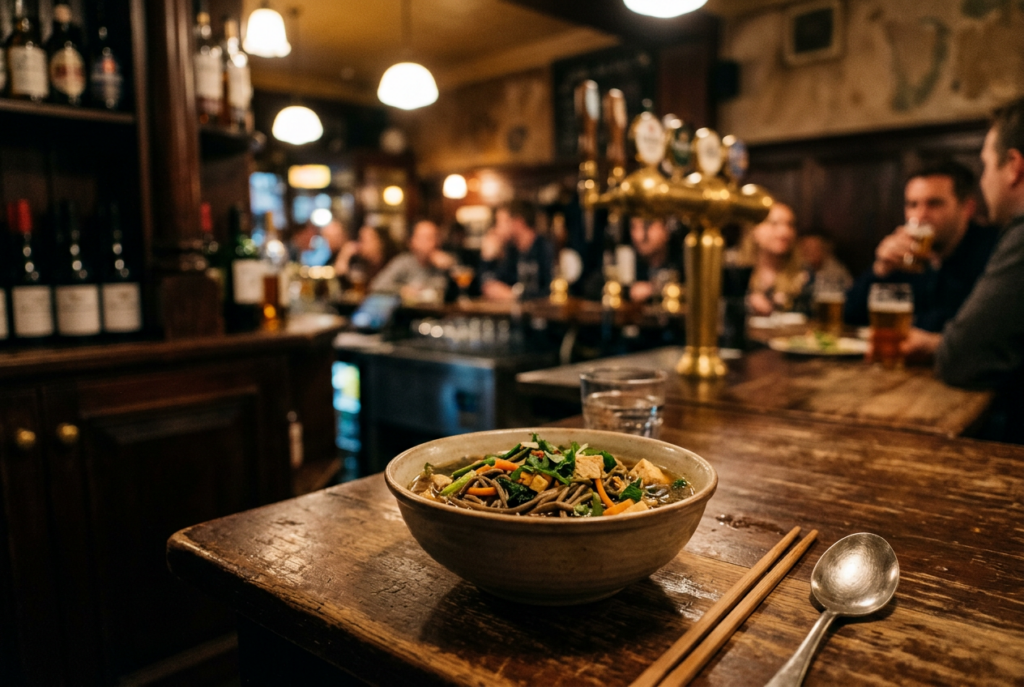
Sour beer earns its place next to rich, fatty food. Think fried chicken, a well-marbled slice of pork belly, or anything heavy on butter and oil. The tartness cuts straight through the richness and resets your palate for the next bite, which is exactly the job it’s built for.
Pale ale is the more flexible option, and that’s precisely why it works so well as an everyday order. Its moderate bitterness and citrus or pine character sit comfortably alongside grilled meats, spicy snacks, or a plate of fries, without fighting any of them for attention. If you’re not sure what you’re eating yet, or you’re sharing a table full of different dishes, pale ale is the safer bet.
Next time you’re at a craft beer bar worth visiting, try ordering one of each side by side. Taste the sour first, then the pale ale, and pay attention to how differently your palate reacts. It’s a fast way to understand the fermentation difference without reading another paragraph about it.