FOOD PAIRING
01
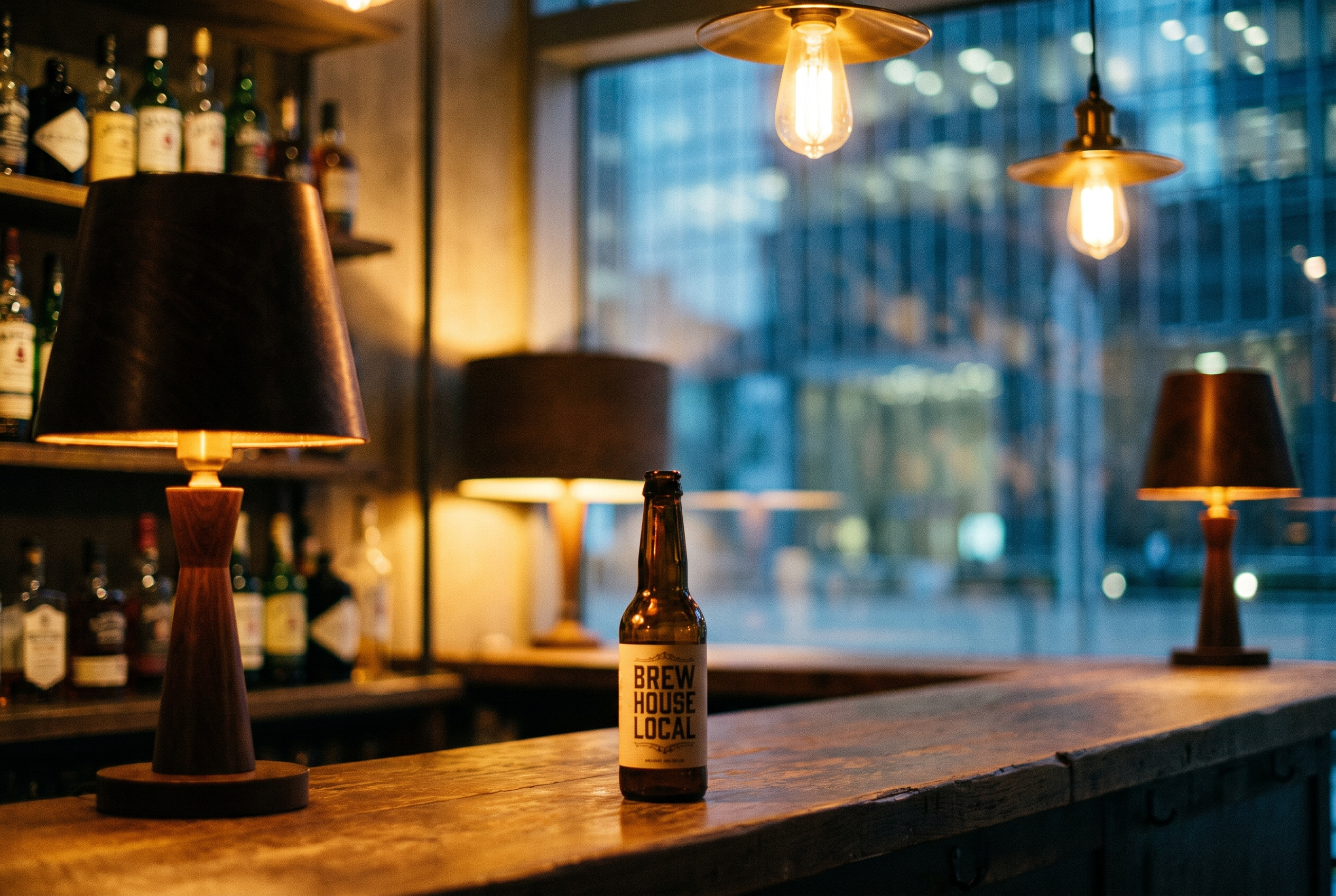
Somewhere in your fridge might be a beer with a hand-drawn label, a quirky name and a story about two mates who started brewing in a garage. That story matters more than most drinkers realise, because the brewery behind it may not actually be independent anymore.
This isn’t really an industry insider’s question. It’s a drinker’s question. If part of what you’re paying for is idea of a small, independent brewer making decisions about flavour and quality on their own terms, it’s worth knowing whether that’s still true once the beer reaches your glass.
The word gets used loosely, so it helps to have a working definition. According to the Brewers Association, a craft brewer needs to be small and independent, with independence defined as less than 25 percent ownership or control held by a beverage alcohol company that isn’t itself a craft brewer. Cross that threshold, and the brewery no longer meets the industry’s own bar for “independent,” regardless of how the packaging looks on the shelf.
Numbers make this easier to picture than definitions alone.
In 2011, AB InBev bought Chicago’s Goose Island for $38.8 million, one of the earlier signs that global brewing groups saw real value in craft beer’s growth and reputation.
A few years later, the same buyer moved on London’s Camden Town Brewery. AB InBev’s acquisition of Camden Town Brewery closed in December 2015, bringing in a company that had grown to a team of 95 and sold around 12 million pints that year, distributed through more than 1,000 pubs and bars. Camden Town’s founder framed the deal as a practical step, one that gave the brewery access to distribution it couldn’t easily build on its own.
Both deals followed a similar pattern: a craft brewery with a loyal following and a growing footprint gets folded into a much larger portfolio, in exchange for reach that would otherwise take years to build independently.
Not automatically, and it’s worth being fair about that. Plenty of acquired breweries keep brewing to the same recipes, with the same brewers on the floor, at least for a while. Quality doesn’t fall off a cliff the day a deal is signed.
What does change is where decisions ultimately sit. A brewery that once answered only to its founders now answers, at least partly, to a much larger organisation with its own targets and priorities. That distance between the original brewers and the people setting direction is the real shift, whether or not it shows up in the next batch you drink.
None of this is about telling anyone what to drink. A well-made lager is a well-made lager, whoever owns the brewery behind it. But if independence is part of why you reach for a particular can, it’s worth knowing whether that independence still holds, or whether it quietly changed hands a few years ago.
If you’d rather explore beer from breweries that are still calling their own shots, Singapore’s craft beer scene has plenty worth discovering, and Craft Beer by Ki-setsu at Fortune Centre is a good place to start tasting your way through it. Building a sense of who owns what gets easier once you’re comparing real beers side by side, and a guide to the best craft beer worth seeking out in Singapore is a solid next stop if you want a shortlist to work through.
Next time you’re at the bar, ask who actually owns the brewery on the tap list. It’s a small question that tends to lead somewhere interesting.