
FOOD PAIRING
01
Most of what we call “taste” is really smell. Your tongue handles the basics: sweet, salty, sour, bitter. The details come from your nose, like the grapefruit peel in a pale ale, the toasted crust in an amber or the cocoa in a dark pour. That’s true of food in general, and it’s why a blocked nose makes dinner taste like cardboard.
So if you want to taste a beer properly, start with how it smells. It isn’t a ritual for judges with clipboards. It’s simply the quickest way to get more out of a glass you were going to drink anyway.
The good news is that you already have the equipment. You just need to give it a moment before the first sip.
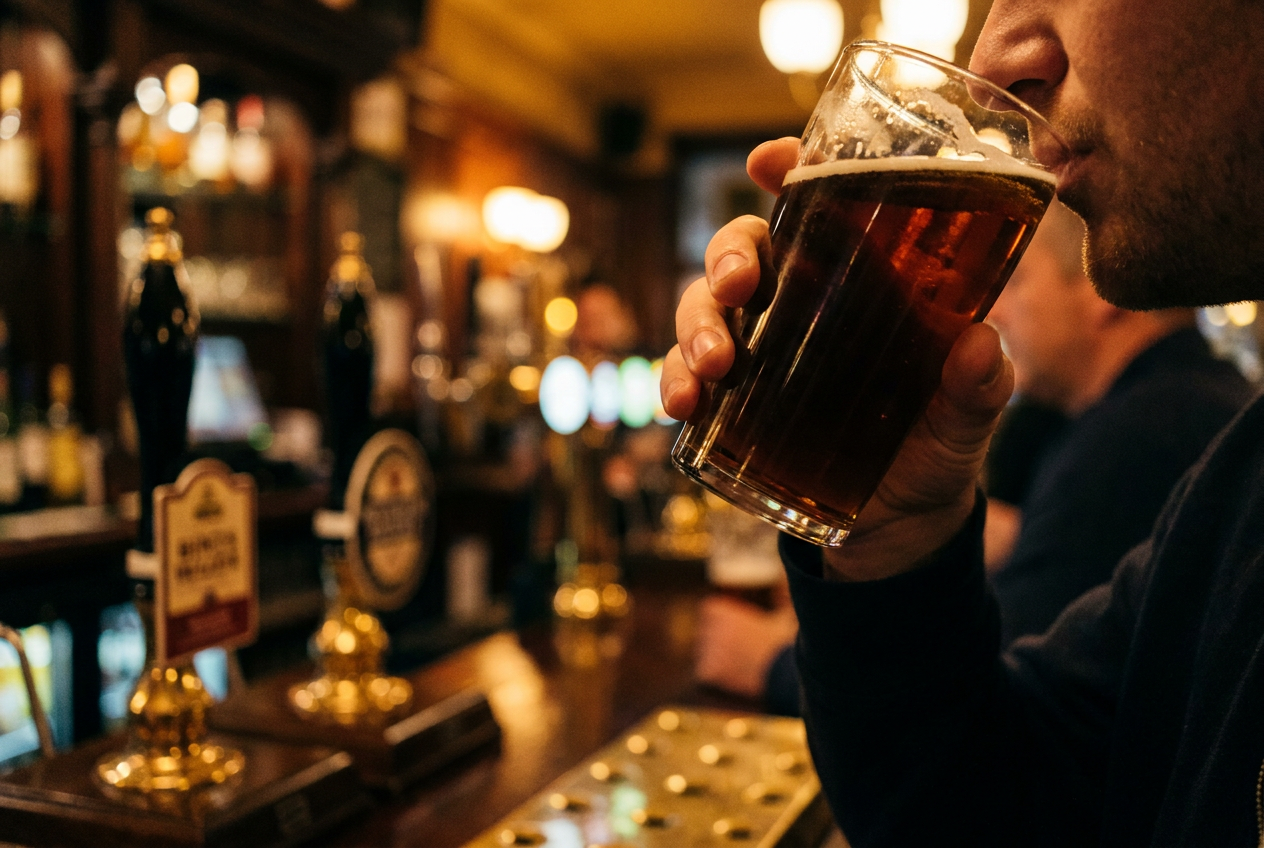
Most of us lift the glass and drink straight away. Next time, pause for five seconds first.
Swirl gently. A small, slow circle of the glass stirs up the surface and releases aroma into the space above the beer. This works best with styles that have plenty of aroma to share, such as hoppy pale ales, IPAs and stronger, richer beers. For a very fizzy, easy-drinking lager, you can skip the swirl or keep it tiny. Too much enthusiasm and you’ll mostly produce foam on your shirt.
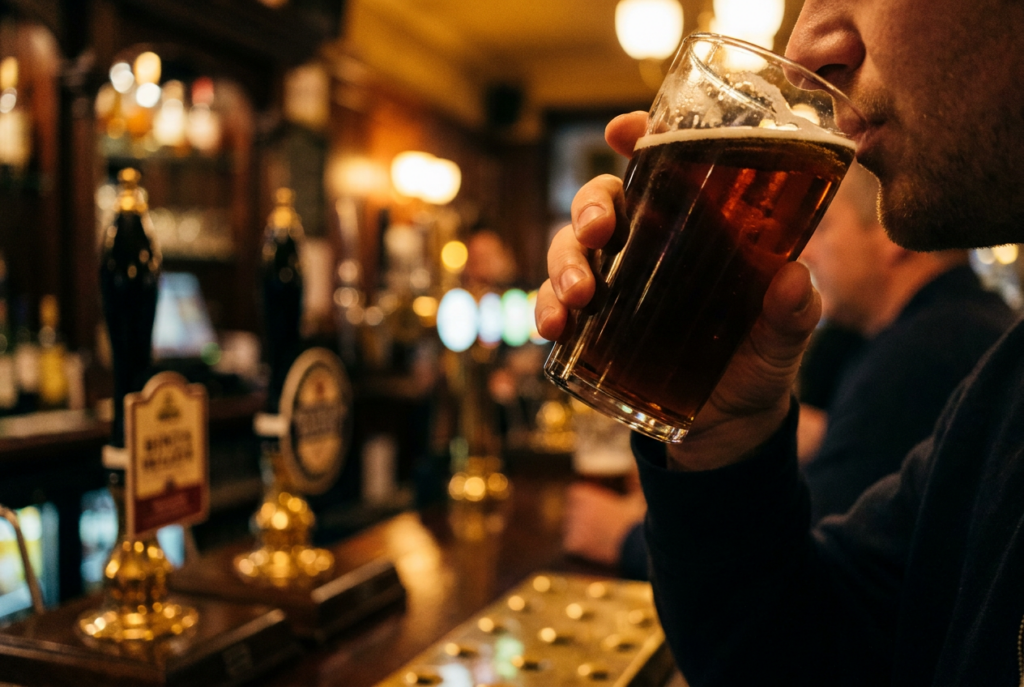
Smell before you sip. Bring the glass close and take a couple of short, relaxed sniffs rather than one big inhale. Notice the first thing that jumps out, then see if anything quieter sits underneath. Is it fruity, bready, toasty, flowery?
Then taste. Now take a sip and see how much of that aroma carries through. Often you’ll find the flavour is easier to pin down because your nose has already told you what to look for.
You don’t need the “right” words. “Smells like orange sweets” or “a bit like toast” is a perfectly good tasting note. If you’d like somewhere easy to practise, our Suntory The Premium Malt’s draft is a familiar pour to start with, and the team at Craft Beer by Ki-setsu are always happy to compare notes.
Nearly every aroma in your glass comes from one of three places. Once you know them, it’s much easier to work out what you’re smelling.
Hops are the green, cone-shaped flowers brewers add for bitterness and aroma. When a beer smells like it’s been near a fruit bowl, hops are usually responsible. Think orange zest, grapefruit peel or lime. Some hops bring a resinous, pine-needle smell, like walking through a forest after rain. Others lean floral, with something closer to fresh-cut flowers or a sprig of herbs.
Hop-forward beers like pale ales and IPAs are the easiest place to spot these notes, which is why they reward a gentle swirl.
Malt is the grain at the heart of beer, and how it’s dried or roasted changes the smell. Lightly kilned malt gives you bread: the inside of a fresh roll, crackers, a bowl of plain cereal. Push it further and you get caramel and toffee, like the edge of a crème brûlée. Roast it hard and you’re into coffee, dark chocolate and burnt toast.
As a rough guide, the darker the beer, the more those roasty notes tend to show up.
Yeast does more than make alcohol. In some styles, it adds a lot of the aroma too. Brewers call the fruity notes “esters”, which is just a handy word for the fruit-like smells yeast creates. Picture banana, pear or a hint of stone fruit. Yeast can also bring spice, closer to clove or a pinch of pepper.
If a beer smells fruity but doesn’t seem especially hoppy, yeast is a good suspect.
Of course, many beers mix all three. A good one might give you orange peel from the hops, a soft biscuit note from the malt and a faint pear from the yeast, all in the same sniff. Picking them apart is the fun part.
Here’s the trick we’d love you to try. Aroma isn’t fixed. As a beer warms slightly after pouring, its smell can shift, so checking it more than once reveals more of its character.
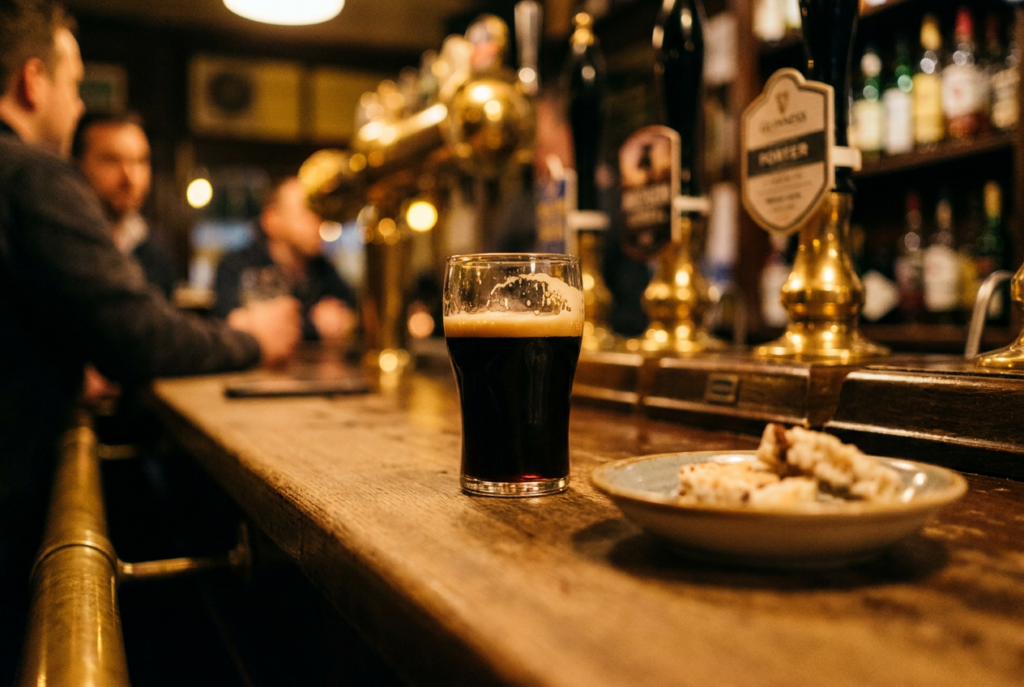
Next time you’re at Craft Beer by Ki-setsu at Fortune Centre, order something with plenty of aroma, perhaps a hoppy pale ale or a richer, darker pour. Smell it as soon as it lands on the table and make a mental note. Then chat, eat a skewer or two and come back to it after a few minutes. Smell it again before your next sip.
Notice what’s changed. Maybe the citrus has softened and a bready note has crept forward. Maybe a hint of caramel or fruit shows up that wasn’t there before. If you want to plan your experiment before you visit, see the full selection here and pick something you haven’t tried yet.