
FOOD PAIRING
01
Wort is the sugary liquid extracted from mashing grain, before fermentation turns it into beer. That’s the plain definition, and it covers every beer you’ve ever ordered. The pale lager with a soft, bready note and a dry finish started life as wort. So did the stout that smells of espresso and cocoa.
It’s one of those brewing words that sounds more technical than it is. Once you know what wort is, you know what a beer was before the yeast got to work. And that makes the glass in front of you a lot more interesting.
Here’s how wort is made, what happens to it next and why it’s worth a moment of your curiosity next time you’re sipping at a proper craft beer bar in the city.
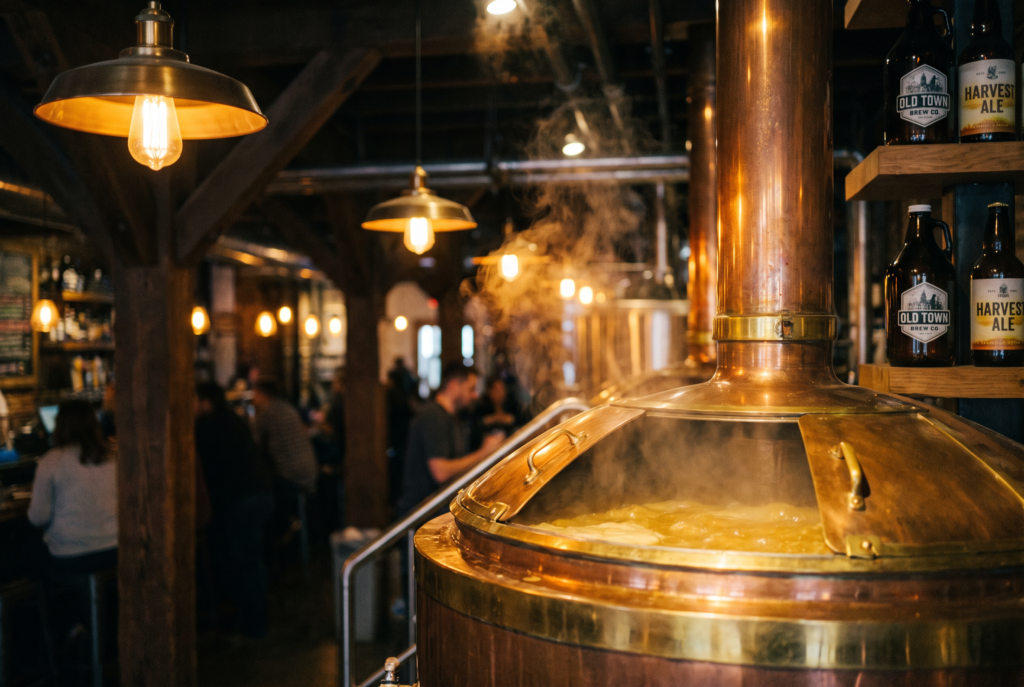
Brewing starts with malted grain and hot water. Mix the two together and the water draws fermentable sugars out of the grain. Brewers call this stage mashing.
Picture a giant bowl of porridge. The grain soaks, softens and gives up its sweetness to the water around it. The kitchen fills with a warm, cereal smell, something like malted milk biscuits or the inside of a fresh bread roll.
Once the sugars have been extracted, the liquid is separated from the spent grain. The grain has done its job, and what’s left behind is the part brewers actually want: a sweet, grainy liquid ready for the next step. That liquid is the wort.
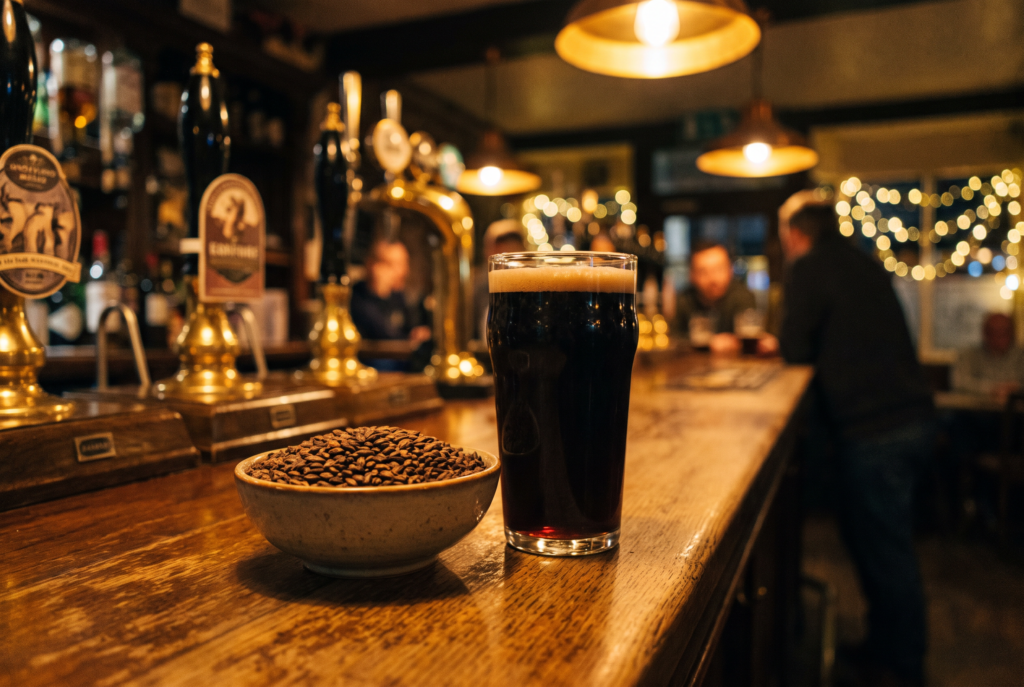
The grain a brewer chooses shapes the wort from the very start. Pale malt tends to give a light, golden liquid that tastes of crackers and honey. More heavily roasted malt pushes the wort darker, towards toffee, coffee and burnt toast. In other words, much of a beer’s colour and malty character is already sitting in the wort before a single hop or yeast cell shows up.
It’s a bit like the stock for a ramen broth. Get the base right and everything you add later has something good to build on.
Wort doesn’t stay wort for long. After mashing, it’s typically boiled, and this is usually where hops join the party.
Hops do two main jobs. They add bitterness, which balances all that sweetness so the finished beer doesn’t taste like syrup. They also bring aroma, which might be grapefruit peel, pine needles, fresh-cut grass or something floral, depending on the hops chosen.
After the boil, the wort is cooled. Then yeast is added, and fermentation begins. The yeast feeds on the sugars in the wort and turns them into alcohol and fizz, along with plenty of flavour of its own. Over time, that sweet liquid becomes beer.
That’s the journey every pour takes before it reaches a keg. If you’d like to see where that journey ends up, have a look at Craft Beer by Ki-setsu’s beer on tap. Each tap is the final chapter of a story that began as wort.
Here’s the simplest way to think about it: wort is essentially unfermented beer. It’s sweet, grainy and has no alcohol yet. All the raw ingredients are present, but the yeast hasn’t transformed them.
Some home brewers like to taste their wort, and it’s easy to see why. It gives you a sense of the grain and hops before fermentation changes everything. A sip might remind you of sweetened cereal milk, warm malt drink or honey stirred into weak tea. If hops have gone in, you’ll catch a hint of their bitterness and aroma too.
Then compare that with the finished beer. Much of the sugary sweetness is gone, the body feels lighter and drier, and new flavours have appeared that weren’t there before. That contrast shows you just how much work the yeast does.
We find that a little magical. The same liquid that tastes like a breakfast drink on brew day can end up as a refreshing pale ale with orange zest and a clean, snappy finish.
Next time you’re at Craft Beer by Ki-setsu, an easygoing craft beer bar and izakaya in Singapore, order a beer and play detective. Before your first sip, ask yourself what the wort might have tasted like.
Smell the glass and look for the malt: bread, biscuit, caramel or roast. Then taste and notice what’s left of that sweetness. Is the finish dry and short, or does a little honeyed warmth linger? Next, ask the team for a taster of a darker beer and repeat the exercise. You’ll start to notice how much of each beer’s personality was set long before the yeast arrived.
What is wort in brewing? Wort is the sugary liquid extracted from mashing malted grain, before fermentation turns its sugars into alcohol.
How is wort made? Hot water is mixed with malted grain to extract fermentable sugars. The liquid is then separated from the spent grain.
What happens to wort after mashing? It’s typically boiled, often with hops added for bitterness and aroma. Then it’s cooled and fermented with yeast.
Does wort contain alcohol? No. Wort is essentially unfermented beer, so it’s sweet and grainy with no alcohol yet.
Can you taste wort? Yes. Some home brewers taste their wort to get a sense of the raw ingredients before yeast transforms them.