FOOD PAIRING
01
Bugis was once one of Singapore’s busiest trading and entertainment districts. Today, that same stretch of the city holds Bugis Street’s 600-odd stalls, Bugis Junction’s shopping and food courts, two historic temples on Waterloo Street, and Fortune Centre, home to a handful of independent food and drink spots just a short walk from it all.
Long before it became a stop on the shopping-and-makan circuit, Bugis was a bustling hub of trade, entertainment and small businesses, named after the Bugis traders who sailed in from the Indonesian archipelago and set up shop along the old Rochor riverbank. That mix of commerce and street life never really left the area. It just changed shape. Walk through Bugis today and you’ll find the same restless energy, just rerouted into hawker stalls, mall food courts, temple courtyards and a cluster of independent shops tucked into older buildings nearby. It’s one of the more eclectic pockets of food and shopping in Singapore, and it rewards a slow wander rather than a quick dash to one destination.
Bugis Street carries the most storied name in the neighbourhood, and the market there today is a different animal from its nightlife-heavy past. It now operates as a covered market with around 600 stalls, packed in tight across several levels and alleys. Street food sits alongside souvenir stands and racks of affordable fashion, so a single loop through the market can take you from a plate of something hot and cheap to a rack of phone cases to a stall selling printed t-shirts, all within a few footsteps of each other.
It’s the kind of place that works best without a fixed plan. Stalls open and close, vendors shift, and the crowd thins and thickens depending on the hour. Go hungry, keep some cash on hand, and treat the food stalls as the main event rather than a side errand between shopping stops.
A short walk from the market, Bugis Junction offers a more climate-controlled version of the same idea. It’s a multi-floor mall with layers of shopping, food courts and sit-down restaurants, plus a cinema for anyone who wants to turn a food outing into a full afternoon or evening out. Where Bugis Street gives you the market-stall version of a meal, Bugis Junction gives you the mall-court version, with more seating, air conditioning and a wider spread of cuisines under one roof.
Between the two, you get a fairly complete picture of how Singaporeans actually eat on a casual outing: some of it outdoors and improvised, some of it indoors and planned, both within a few minutes of each other on foot.
Bugis isn’t only about eating and shopping. Head to Waterloo Street and you’ll find Kwan Im Thong Hood Cho Temple, a Buddhist temple that served as a refuge for the sick during the Second World War, standing right next to Sri Krishnan Temple, a Hindu temple built in 1870. The two sit side by side, drawing worshippers from different faiths into the same short stretch of road.
It’s worth building a few minutes into any Bugis food trip to walk past both temples, even without stepping inside. The contrast between the incense-filled courtyard of one and the brightly painted gopuram of the other, standing a few metres apart on the same street, says something about how this part of Singapore has always worked: different communities sharing the same small patch of ground.
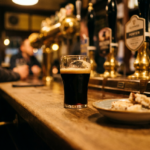
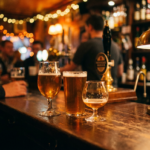
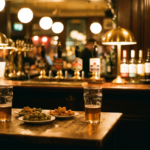
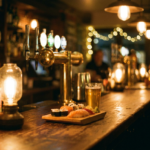
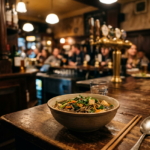
Fortune Centre sits within this same Bugis food and heritage landscape, a short walk from the Waterloo Street temples. It’s a quieter building than the malls nearby, but inside it holds its own pocket of independent food and drink spots, including a craft beer bar that rotates beers from Japan, Taiwan, Australia and Singapore alongside Japanese-inspired food. If you want a fuller look at what’s inside the building, our guide to Fortune Centre food runs through the tenants worth seeking out.
After a loop through Bugis Street’s stalls, a browse through Bugis Junction, and a quiet stop at the two Waterloo Street temples, Fortune Centre makes a sensible last stop. It’s close enough to fold into the same outing, and different enough in character to round off the day with something a little calmer than a market or a mall.
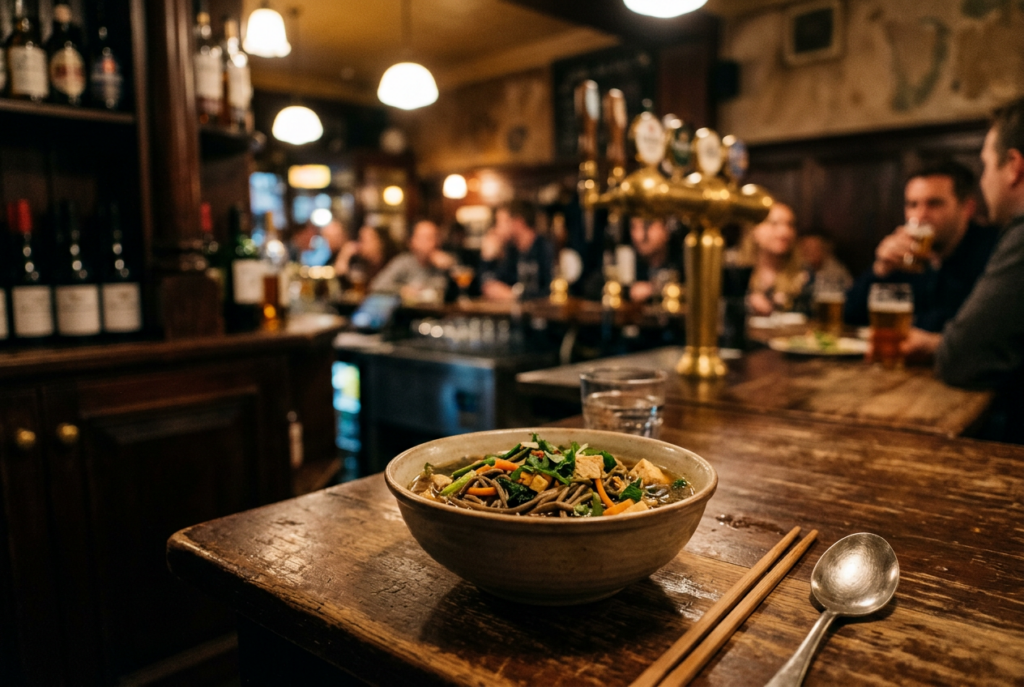
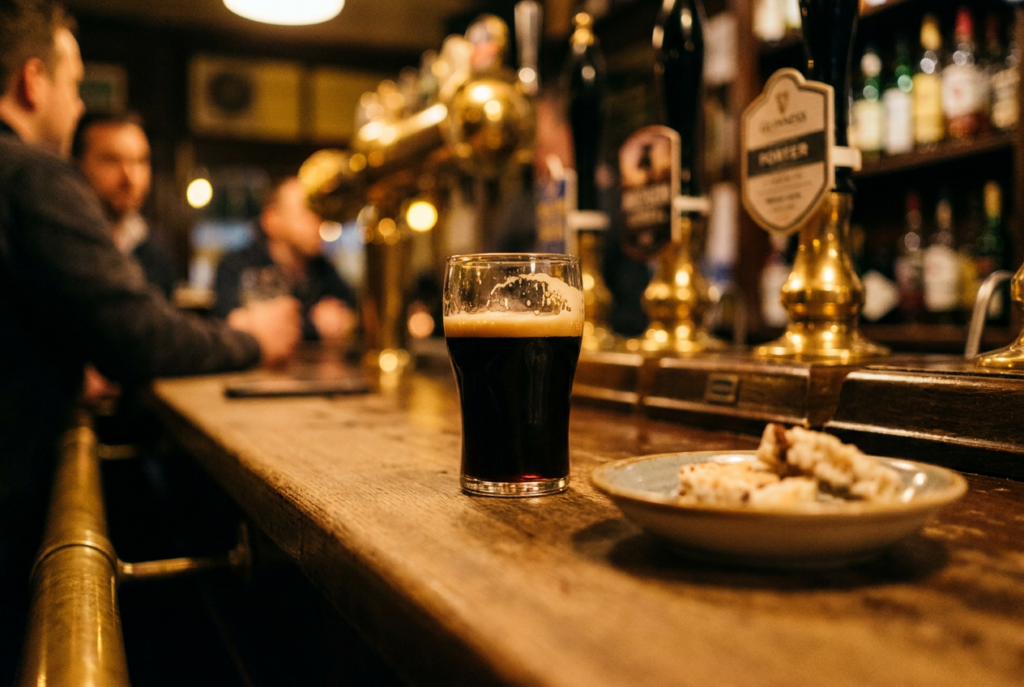
Once you’ve worked through the stalls, the mall and the temples, Fortune Centre is an easy place to sit down properly. Ask the team at Craft Beer by Ki-setsu what’s currently on tap or in the fridge, pair it with something from the Japanese-inspired menu, and let that be where the Bugis food trip ends rather than just another stop along the way.