FOOD PAIRING
01
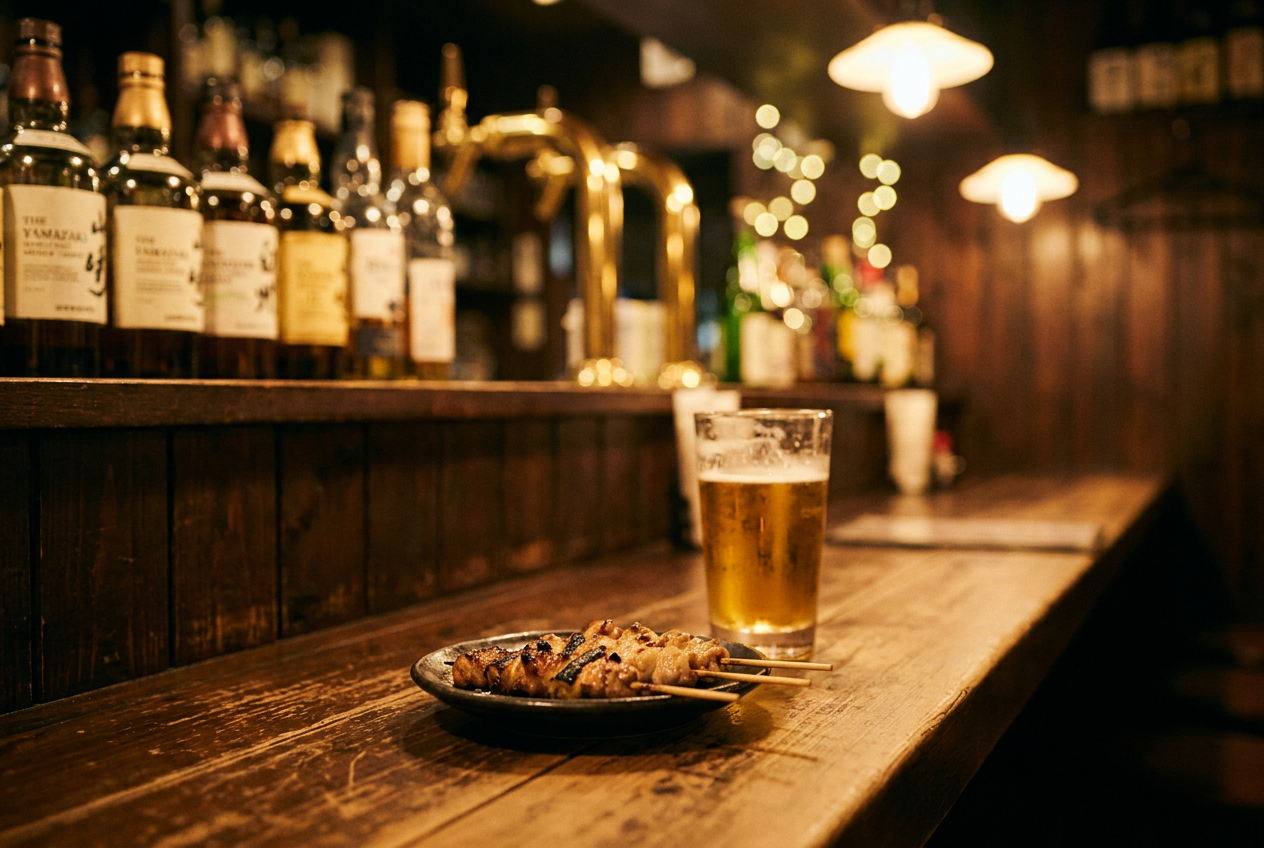
Watch a yakitori grill for long enough and you’ll notice nobody rushes it. Skewers get turned, fat drips onto the coals, and smoke curls up and settles into your shirt. By the time a stick lands on your plate, the hard work is done: a little blistered char, a glossy coat of tare or a scattering of salt, and chicken that tastes properly of itself.
That’s the headline act. Yakitori is grilled chicken (and sometimes other ingredients) on skewers, usually seasoned one of two ways. There’s tare, a savoury-sweet glaze brushed on as it cooks, and there’s shio, which is simply salt. Both lean on the smoke and char from the grill. Whatever you drink alongside should behave like a good bandmate, there to make the lead sound better rather than drown it out with a ten-minute guitar solo.
As a craft beer bar in Singapore that spends most evenings watching people work through plates of skewers, we’ve given this more thought than is strictly healthy. Here’s where we’d start.
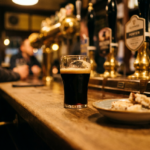
There’s a reason this pairing has stuck around. A clean lager or pilsner brings two things yakitori loves: lively carbonation and a light body. Grilled chicken, especially the fattier cuts, leaves a richness on your palate. Those bubbles sweep it away, so each new skewer tastes as vivid as the first.
When we say “clean”, here’s what we mean in the glass: pale gold. A soft, bready note from the malt, like the inside of a fresh roll. A little snap of grassy or herbal bitterness from the hops. Then a finish so dry it’s gone almost before you put the glass down, leaving room for the next bite.
This style shines brightest with shio skewers. Salt and smoke are fairly simple flavours, and a pilsner doesn’t clutter them. It just resets things, like a squeeze of lemon would, without adding anything sour.
One small opinion: if you’re going the lager route, it’s worth picking one with a bit of personality, where you can actually taste the grain and the hops. A lager with something to say holds its own against char far better than one that’s mostly cold and fizzy. Both have their place on a hot Singapore night, but with yakitori, the more characterful one earns its keep.
Now for the skewers that drip. Chicken thigh, juicy and full of flavour. Chicken skin, grilled until it crackles and shatters. These cuts carry more fat and more char, and that opens the door to something with a bit more weight.
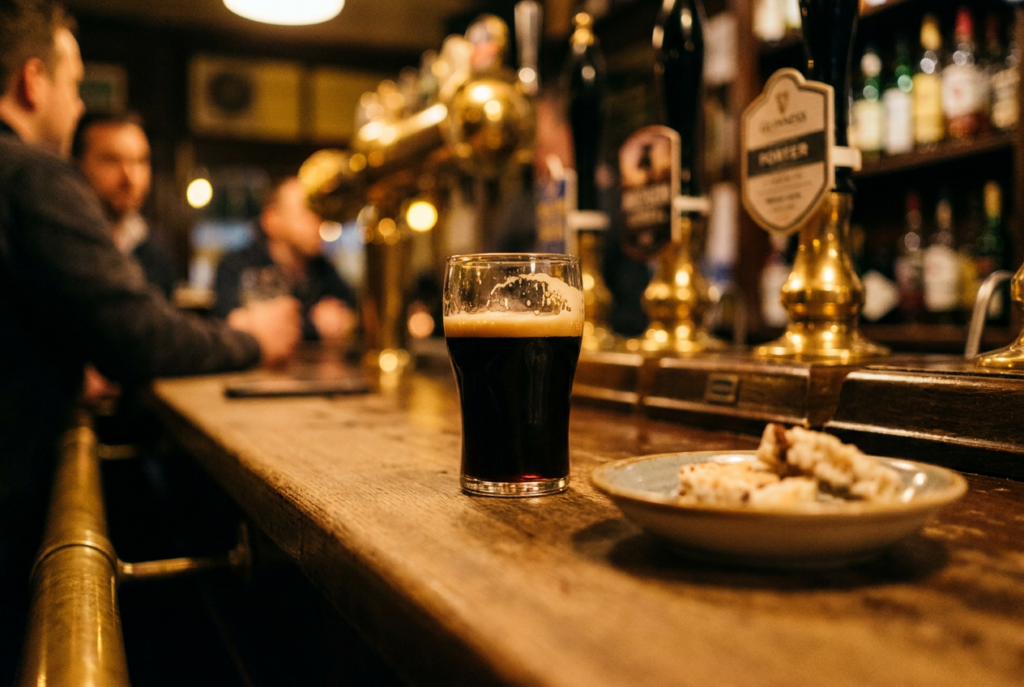
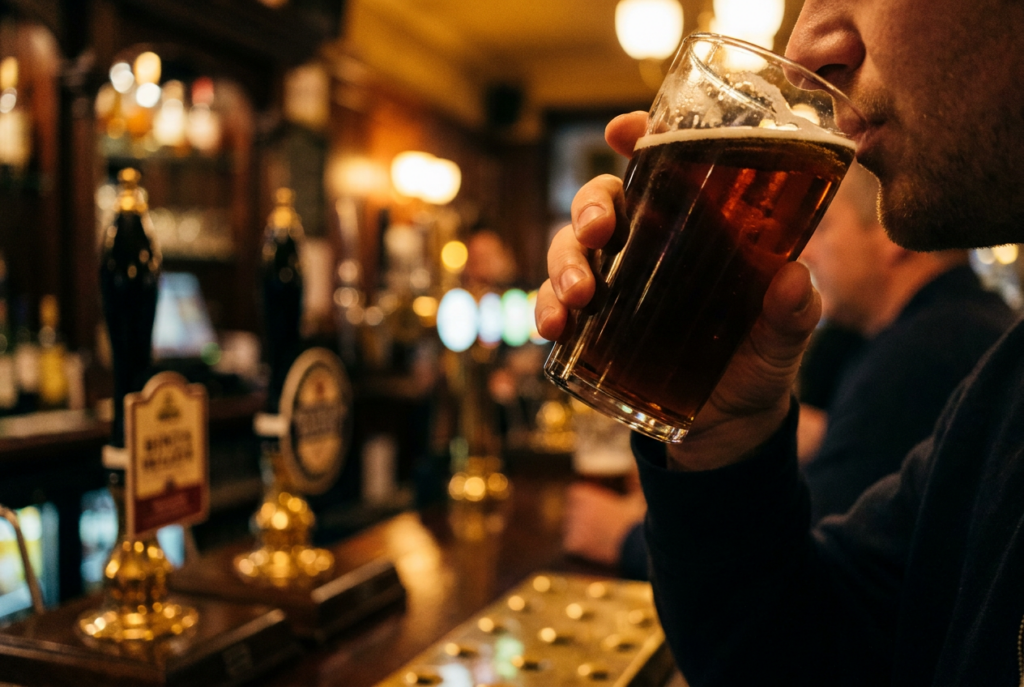
A malt-forward amber ale is our pick here. Picture a copper-coloured pour that smells of toasted bread crust and light caramel, with just enough hop bitterness to keep it from tasting like dessert. It has more body than a pilsner, so it doesn’t get flattened by a rich, fatty bite.
The magic is in the caramel. That gentle malt sweetness sits right alongside the char, the same way a slightly burnt edge on toast tastes better with a smear of something sweet. With tare-glazed skewers, it gets even more interesting, because the glaze already has its own savoury-sweet side. The amber picks up on that and carries it a little further, rather than fighting it.
If you’ve been following our guide to the best izakaya Singapore has to offer, you’ll know a lot of the fun comes from moving between dishes. Amber ale is a natural companion for that kind of meal, the beer you settle into once the lighter skewers give way to the indulgent ones.
Here’s where it gets genuinely fun. Pairing isn’t a fixed rule, it’s a conversation, and the same beer can say quite different things depending on what’s on the stick.
Try this. Order a spread: something lean with shio, a tare-glazed thigh, and a skewer of crispy skin. Keep one beer in front of you and take a sip after each.
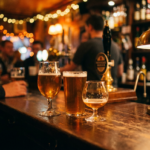
With a pilsner, you might find the lean, salted skewer tastes cleaner and brighter. Against the skin, the carbonation does the heavy lifting, cutting through all that fat so it never feels greasy. With the tare thigh, the beer steps back and lets the glaze do the talking.
Swap in an amber ale and the picture changes. Next to a lean, salted skewer, it might feel a touch heavy. But put it beside that charred skin or sticky thigh, and the caramel and toast suddenly have a partner to play with.
Neither beer “wins”. You’re just learning what you enjoy, which is the whole point of eating somewhere that treats beer and food as equals. It’s exactly why we like being a craft beer spot that pairs beer with a proper meal: you get to run these little experiments without trying too hard. What to Try Next Time
Next time you’re at Craft Beer by Ki-setsu in Fortune Centre, make a game of it. Order at least three different skewers, mixing tare and shio. Start with a clean lager or pilsner and work through all of them. Halfway through, switch to a malt-forward amber ale and go back to the richest skewer on your plate.
Pay attention to one thing: which bite made you reach for the glass faster. That’s your pairing. Ask the team what’s pouring that night, tell them which way you’re leaning, and let the grill do the rest.