FOOD PAIRING
01
Good news first: there’s no exam. An izakaya isn’t a temple or a hushed fine-dining room where one wrong move earns a raised eyebrow. It’s closer to a neighbourhood local with much better snacks. People come to unwind, talk a bit too loudly about their week and pick at small plates until someone suggests one more round.
Izakaya dining is generally casual and unhurried, with no strict book of formal rules to memorise. So if you’ve been hovering outside, worried you’ll embarrass yourself, relax. What follows isn’t a rulebook. Think of it as a handful of habits that make the night flow more smoothly, the kind of tips a friend who’s been before might mention on the walk over.
At most izakaya, the first order of business is drinks, not food. Sit down, glance at the drinks list and get a round in before anyone studies the food menu properly.
There’s a nice logic to it. A cold glass arrives quickly, everyone clinks, and the table settles in while you work out what you’re hungry for. Nobody’s stuck staring at the menu with a dry mouth.
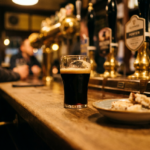
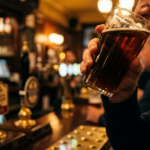
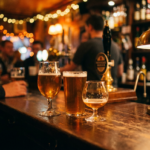
If you’re unsure where to start, pick something easy-going that won’t tire your palate before the food lands. A pale lager with a soft, bready malt note and a short, dry finish makes a friendly opener. If you’d rather explore, Craft Beer by Ki-setsu’s rotating selection is a good excuse to try something new: perhaps a hazy pale with a whiff of mango and orange peel, or a darker pour that tastes of cocoa and toasted grain.
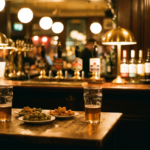
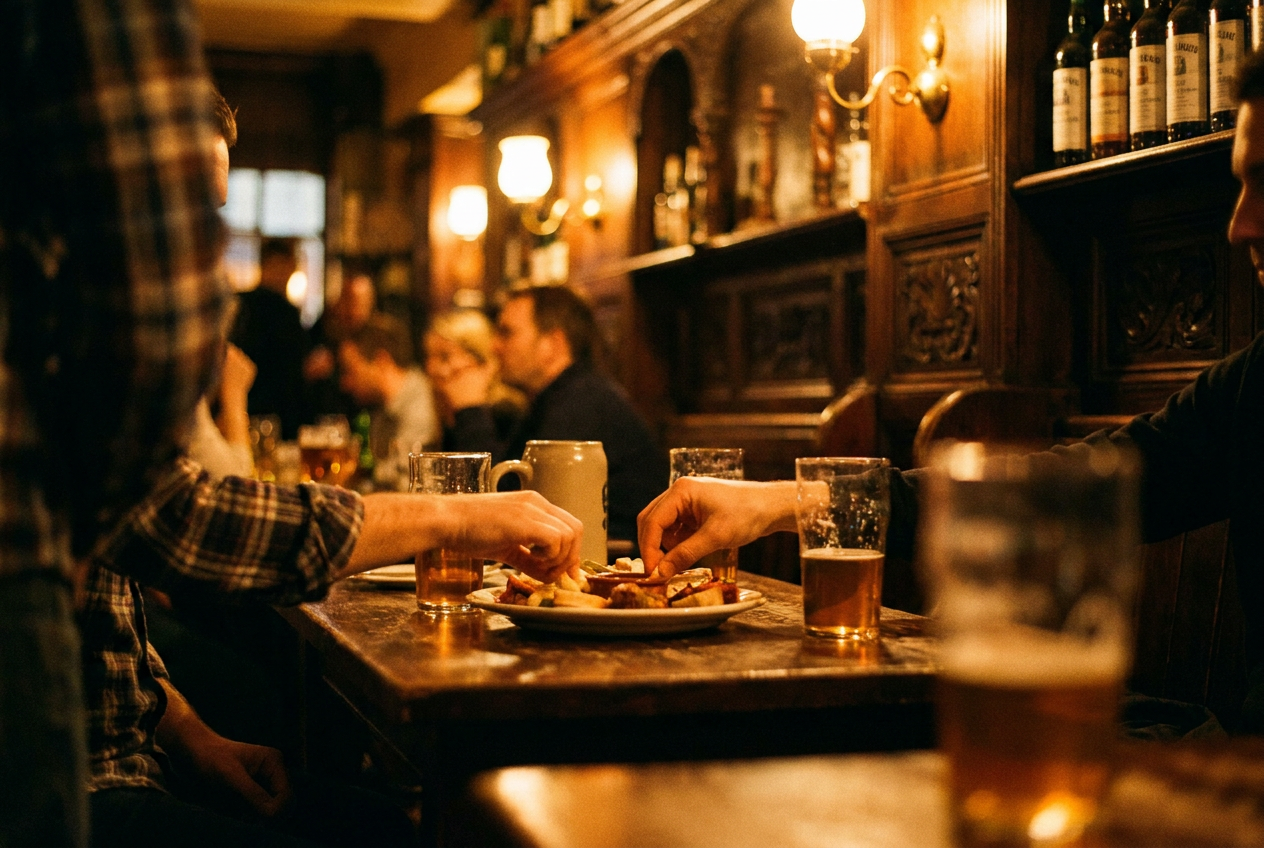
Here’s the biggest shift if you’re used to Western restaurants: izakaya food is built for sharing. Instead of everyone ordering their own main, the table orders a spread of small dishes and everyone dips in.
That’s half the fun. You get to taste a bit of everything, and nobody has to commit to one plate for the whole evening. It also takes the pressure off ordering “right”. If one dish isn’t your favourite, there are a few others on the table.
A practical tip: order a mix. Something grilled, something fried, something fresh and sharp to cut through the richer bites. Contrast keeps your appetite interested, and it gives your drink different flavours to play against.
The other big habit is pacing. Rather than ordering everything in one go, most people order a few dishes, eat, chat, then order a few more as the night goes on.
We’d encourage this, even if your instinct is to get it all sorted at once. Food arrives hot and in manageable waves instead of crowding the table and going cold. You can also follow your cravings. Halfway through, you might realise you want another round of skewers, or that something lighter would hit the spot. Ordering in stages lets the meal change shape as you go.
It works for drinks too. Something light and dry early on, something with a bit more toasty, caramel weight once the richer dishes show up. No one’s keeping score.
Shortly after you sit down, a small plate might appear in front of you. A few mouthfuls of something you definitely didn’t ask for. Don’t flag down the staff to report a mix-up.
This is the otoshi, also called tsukidashi: a small starter dish served automatically at the start of the meal. It’s completely normal izakaya practice, and yes, it usually appears on your bill. General guides to izakaya customs note that the otoshi is a routine part of the meal and is often charged onto the bill, so it’s neither an error nor an optional extra someone slipped in.
Think of it as a small welcome, something to nibble with your first drink while the kitchen gets going on your order. We quite like the surprise of it. You never know exactly what’s coming, and it’s a nice little preview of the kitchen’s style.
This one surprises some first-timers: nobody’s trying to hurry you out. At an izakaya, lingering isn’t just allowed, it’s expected.
If service feels relaxed, that’s by design, not neglect. Plates come as they’re ready, and you’re free to settle in, order another round when the mood strikes and let the conversation wander. The evening builds slowly, and it doesn’t need a finish line.
If you want a broader feel for how different spots handle this easy rhythm, our guide to the best izakaya worth visiting in Singapore is a good place to compare notes.
If this sounds like a lot to remember, here’s the honest truth: it really isn’t. Staff at a relaxed izakaya like Craft Beer by Ki-setsu are used to guiding people through their first visit. Ask what the otoshi is. Ask what goes well with the grilled dishes. Ask what’s new on tap. Nobody will mind, and you’ll probably eat and drink better for it.
So here’s your plan for next time you’re at this craft beer bar in Fortune Centre. Order a round of drinks as soon as you sit down. Enjoy the otoshi when it arrives and notice what the kitchen chose. Pick three dishes to share, then pause before ordering the next few. When your glass gets low, ask the team what they’d pour next. That’s izakaya etiquette, more or less: eat, drink, share and take your time.