FOOD PAIRING
01
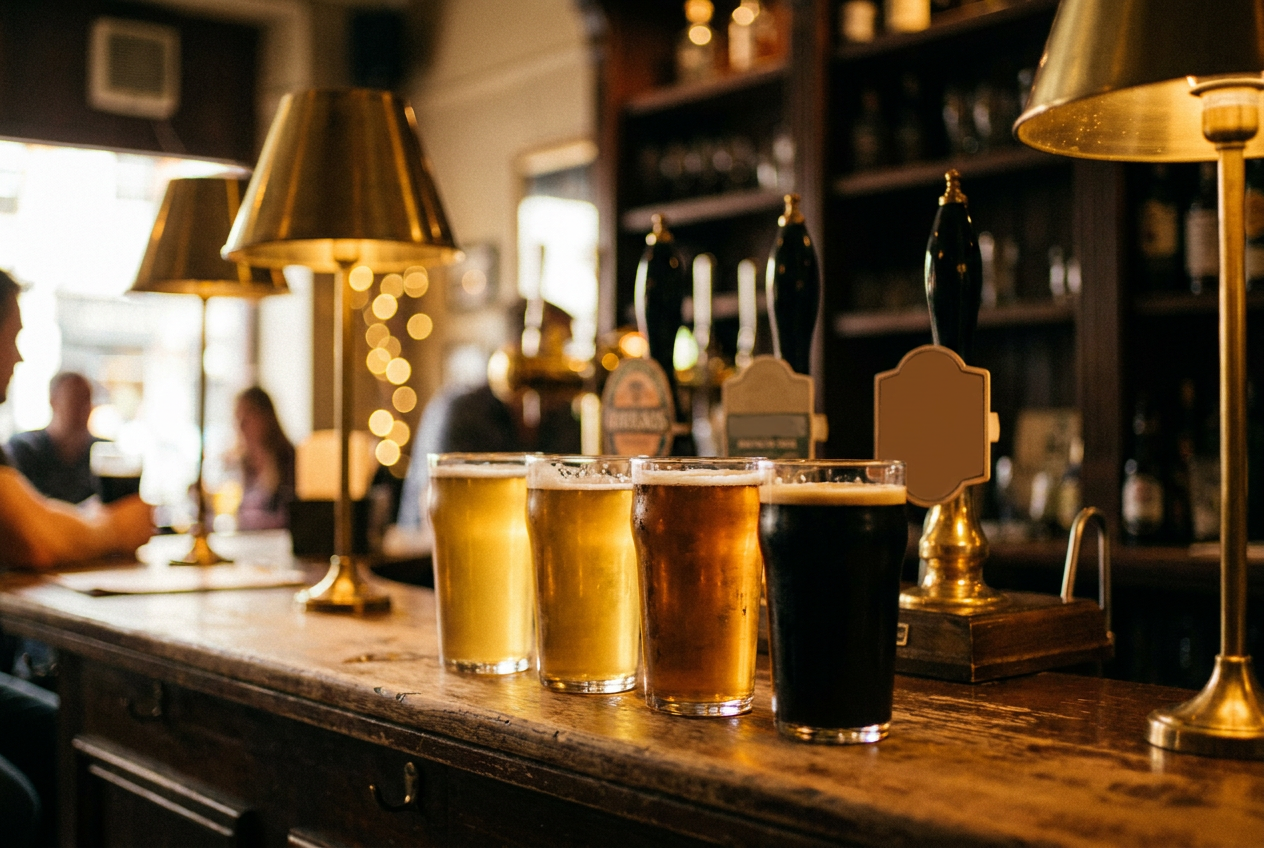
SRM stands for Standard Reference Method. It’s a numeric scale for measuring and describing beer colour, from very pale to nearly black. At one end sits beer so pale you could almost read the menu through it. At the other end sits beer so dark it seems to swallow the light around it. Everything else falls somewhere in between, and the number climbs as the colour deepens.
That’s really all it is: a shared language. Brewers, judges and curious drinkers can describe a beer’s shade with a number instead of reaching for “sort of goldish” or “brown-ish, maybe reddish”. It sounds technical, but it’s closer to a paint swatch chart than a chemistry lesson.
Why should you care? Colour sets expectations before the first sip. It’s the first thing you notice when a glass lands on the table, and it shapes what you think you’re about to taste. Knowing what that colour does and doesn’t tell you makes you a sharper, more relaxed drinker.
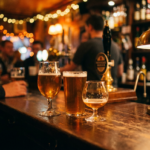
You don’t need to memorise numbers to get the gist. Think of it as a journey from sunlight to midnight.
The low end: light lagers. This is the pale, glowing stuff. Hold one up and you’ll see pale straw shading into light gold, bright enough that bubbles are easy to follow on their way up. Craft Beer by Ki-setsu’s draft Pilsner is a handy reference for the pale side of things: a soft, bready note like the inside of a fresh roll, a snap of herbal hop bitterness and a dry finish that clears the way for your next bite.
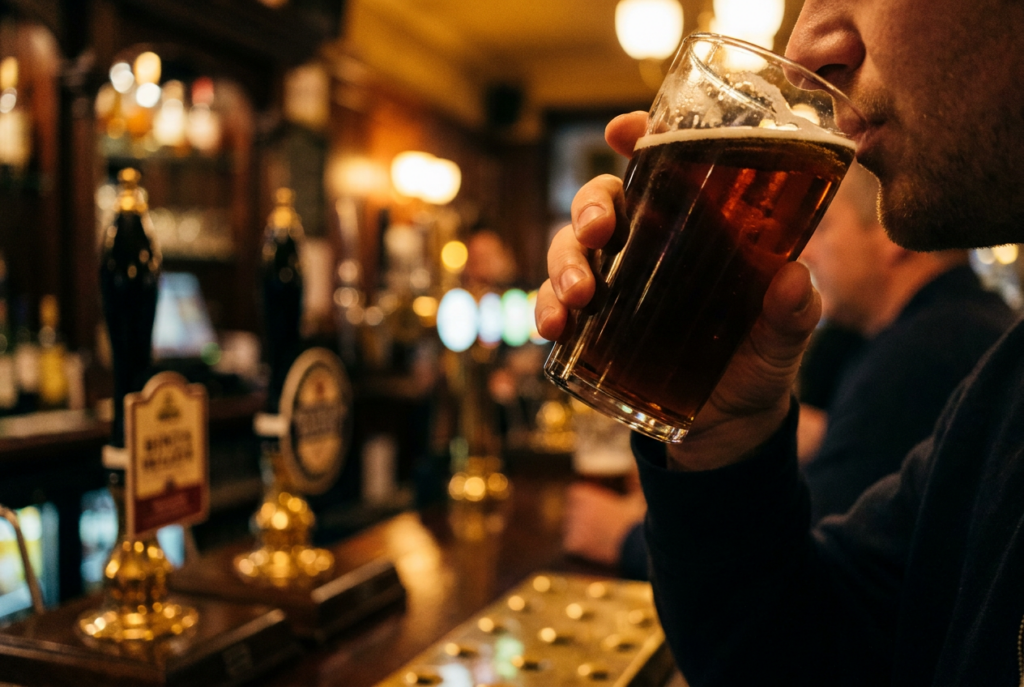
The middle: pale ales. Despite the name, pale ales usually sit further along than lagers. Expect deeper gold, honey and amber, sometimes edging towards copper. The extra colour often arrives with a little more malt character, think toasted bread crust or a hint of caramel under the hops.
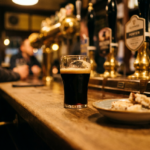
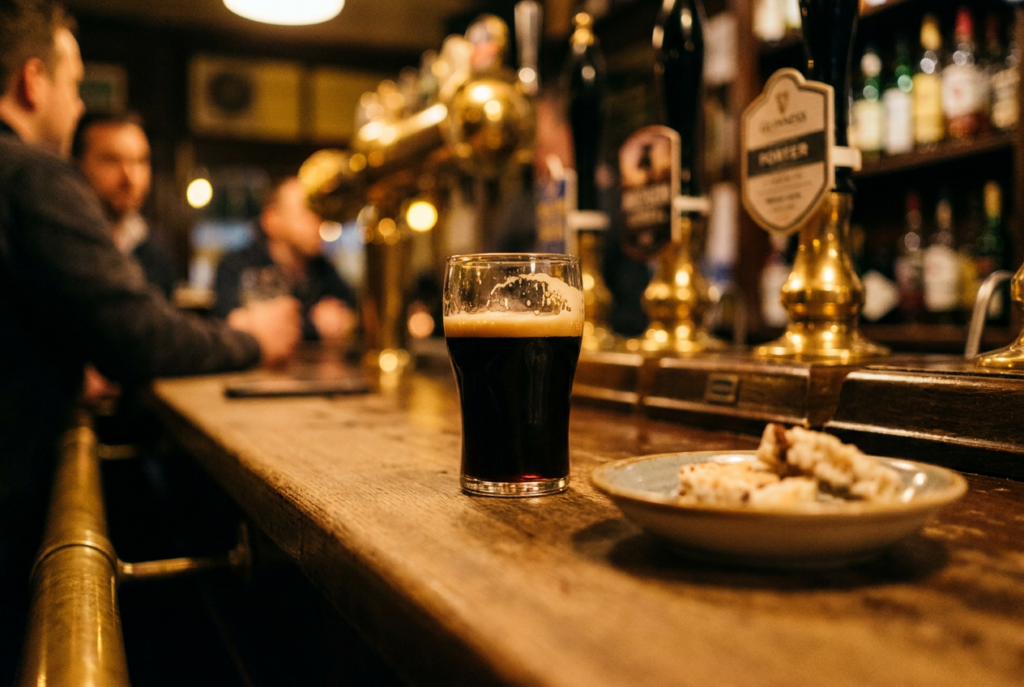
The high end: stouts and porters. Here the colour turns mahogany, then deep brown, then almost black, often under a tan or mocha-coloured head. The flavours tend to follow suit, with roasted coffee beans, dark chocolate and the slightly bitter edge of burnt toast.
If you’d like to see how this plays out style by style, the BJCP style guidelines use SRM ranges to describe the expected colour of each beer style. It’s a neat way to see that colour is part of a style’s identity, just like aroma or bitterness.
Here’s the bit that trips people up. A beer’s position on the SRM scale is set by how much the malt has been roasted. It has nothing to do with alcohol strength.
Malt is grain that has been sprouted and then dried or roasted. Gentle heat leaves it pale, with flavours of cracker, biscuit and fresh bread. Push it further and you get caramel and toffee. Roast it hard and it heads towards coffee, cocoa and char. The darker the malt in the recipe, the darker the beer in your glass.
Alcohol strength is a separate matter, shaped by different parts of the brewing process. So colour and strength are two different dials. A brewer can turn one up without touching the other.
We find this oddly freeing. It means a glass of something dark and roasty can still be a relaxed, easy-drinking companion for a long evening, and a pale, sunny-looking pour isn’t automatically the gentle option.
Not automatically. It’s one of the most common assumptions in beer, and it’s easy to see why. Dark beers look heavy. They smell of coffee and chocolate, which we tend to link with richness and intensity. It’s natural to assume they’ll hit harder too.
The colour tells you about the roast, not the punch. A near-black beer might drink lighter than you’d expect. A pale golden one might be stronger than it lets on. Judging strength by colour alone is a bit like judging a curry’s heat by the colour of the bowl.
If you want to know how strong a beer is, check the menu or simply ask. Let the colour tell you what it’s actually good at: hinting at the flavours you’re about to meet. That’s one of the small joys of craft beer. The more you look, the more the glass gives away, as long as you know which clues to trust.
Next time you’re at Craft Beer by Ki-setsu at Fortune Centre, turn it into a little experiment. Order one pale beer and one dark beer side by side. Hold each up to the light and notice where it sits on that sunlight-to-midnight scale. Then, before checking anything, guess which one is stronger.
Now ask the team or look at the menu. Whichever way it goes, taste them again and pay attention to what the colour did predict: bread and grass in the pale glass, roast and cocoa in the dark one. You’ll never look at a dark pint the same way again.