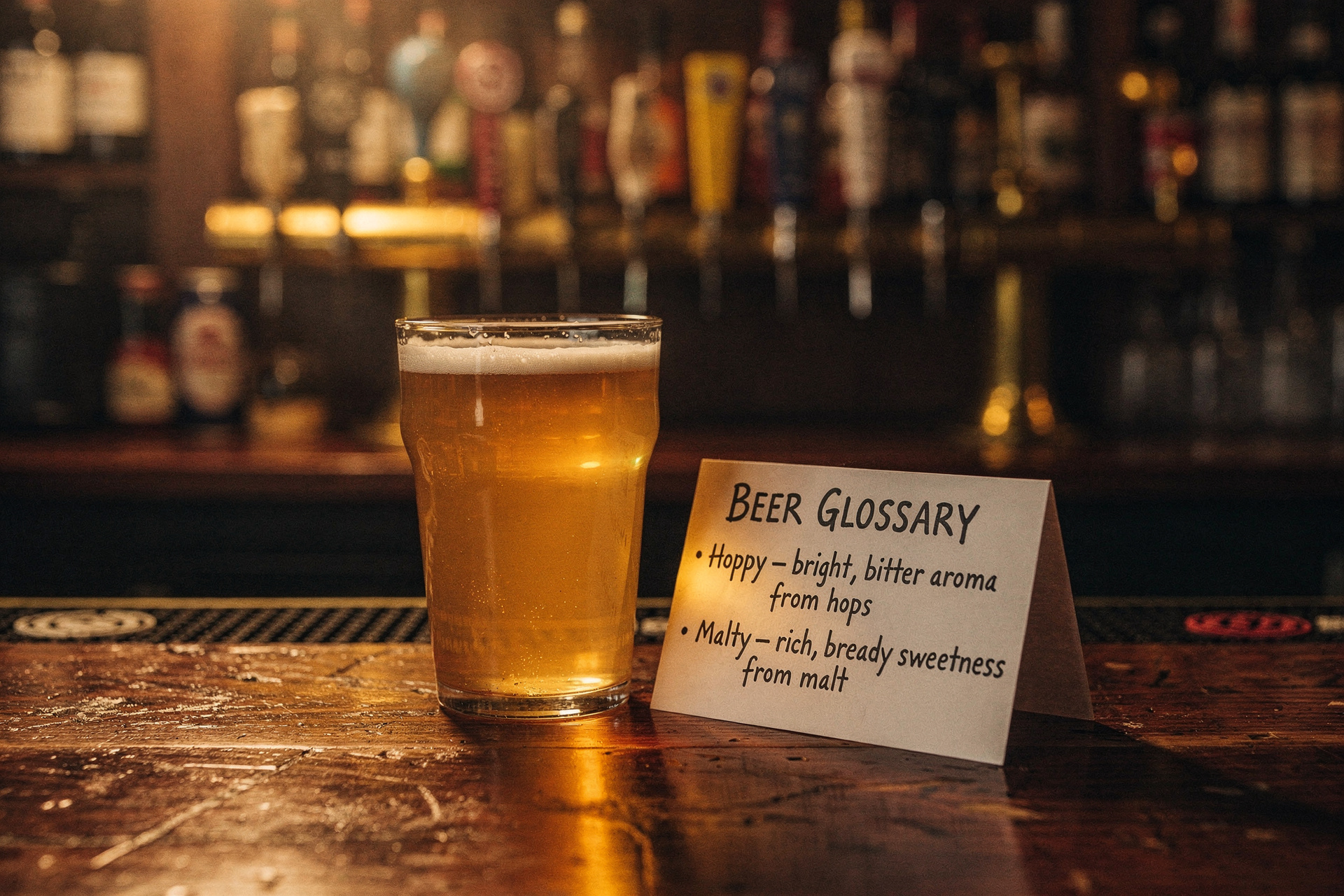
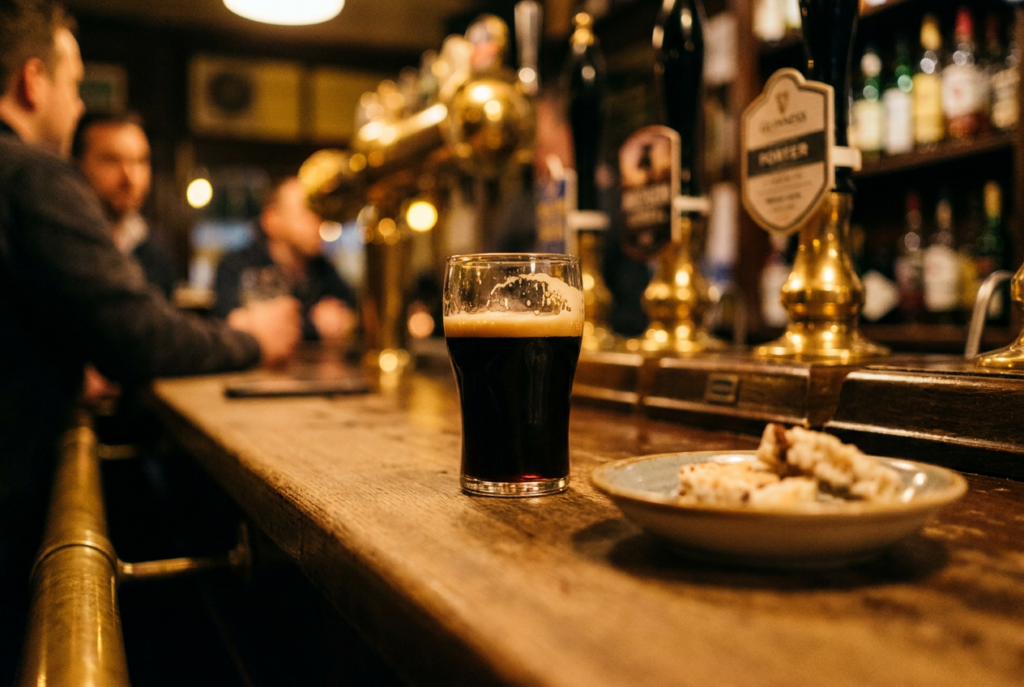
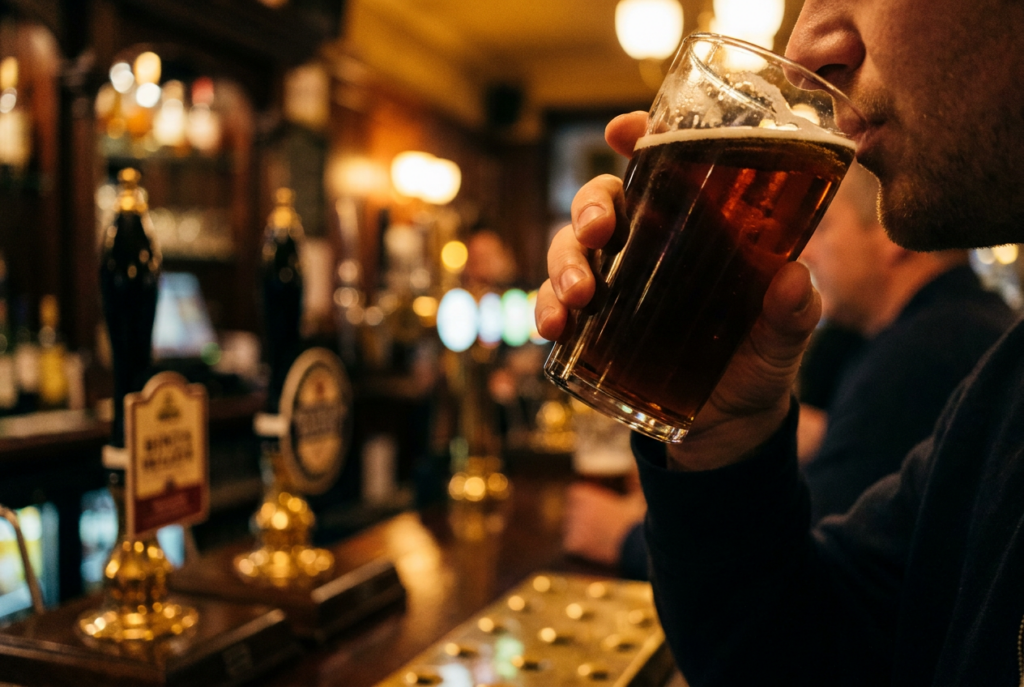
ABV shows alcohol strength, IBU measures bitterness, and terms like dry-hopped, session, hazy, malt-forward, craft and independent describe how a beer is made or tastes. None of these words need memorising before your next order. A quick glance at this list, or a question to the bartender, is all it takes.
Craft beer menus can read like a different language for newcomers. Between abbreviations, brewing shorthand and terms borrowed from wine tasting, it’s easy to feel lost before you’ve even chosen a glass. The good news is that once you know eight or so common terms, most menus start to make sense.
01
What Do the Abbreviations on a Beer Menu Actually Mean?
ABV (Alcohol By Volume): this is the percentage of the drink that’s pure alcohol, so a higher number means a stronger beer.
IBU (International Bitterness Units): this number measures how bitter a beer tastes from the hops used to brew it, with higher numbers meaning more bitterness.
Both figures are usually printed right next to the beer’s name, so they’re worth a glance if you want to gauge strength or bitterness before ordering at a craft beer bar Singapore.
02
What Do Dry-Hopped, Session and Hazy Actually Describe?
Dry-hopped: this means extra hops were added after brewing to boost aroma without adding much bitterness.
Session: this describes a beer brewed to be lower in alcohol, so you can drink a few over a longer evening without feeling it too much.
Hazy or NEIPA: this refers to a cloudy-looking pale ale, usually softer and fruitier than a clear one.
If you’re after something easy to drink over a few rounds, our Suntory The Premium Malt’s draft is a good place to start while you get familiar with the rest of the menu.
03
What Does Malt-Forward Mean on a Beer Menu?
Malt-forward: this means the beer’s flavour leans on the roasted or toasted grain used to brew it, rather than on hops, so expect notes like bread, caramel or toffee rather than bitterness.
04
What’s the Difference Between Craft and Independent Beer?
Craft: this generally describes a beer brewed on a smaller scale by a brewery that values traditional methods and flavour over mass production.
Independent: according to the small and independent standard used by the Brewers Association, this means the brewery isn’t majority-owned by a larger, non-craft beverage company.
Together, these two words are a shorthand for who made the beer and how much control they had over it.
05
What Should I Do With All These Beer Terms?
Nobody expects you to memorise eight definitions before you order. Keep this list bookmarked on your phone, or simply ask whoever’s behind the bar. At Ki-setsu’s craft beer bar, the team is happy to talk you through what’s pouring, point out something hazy if you want fruit-forward, or pour something malt-forward if you’re after toffee and toast. Next time you’re in, try asking for a session beer or a dry-hopped pale ale and see where the conversation takes you.
06
Frequently Asked Questions
- Do I need to know these terms before ordering?No. Staff at any good craft beer bar will happily explain a beer’s ABV, IBU or style if you simply ask.
- Is a higher ABV always better?Not necessarily. A higher ABV means more alcohol, not better flavour, so it’s worth choosing based on style and taste rather than strength alone.
- What’s the easiest style to start with if I’m new to craft beer?A session beer or a crisp lager is usually the gentlest entry point, since both are lower in alcohol and easy to drink.
- Why do some menus list IBU and others don’t?Not every brewery calculates or publishes IBU, so its absence doesn’t mean a beer isn’t bitter, just that the number wasn’t listed.