FOOD PAIRING
01
Beer doesn’t “expire” in the way milk or meat does; it won’t make you sick after its best-by date. What changes is flavour. Hop aroma and bitterness fade fastest, so IPAs and pale ales taste best fresh, while malt-forward styles like stouts and barleywines often age gracefully, sometimes even improving over months or years.
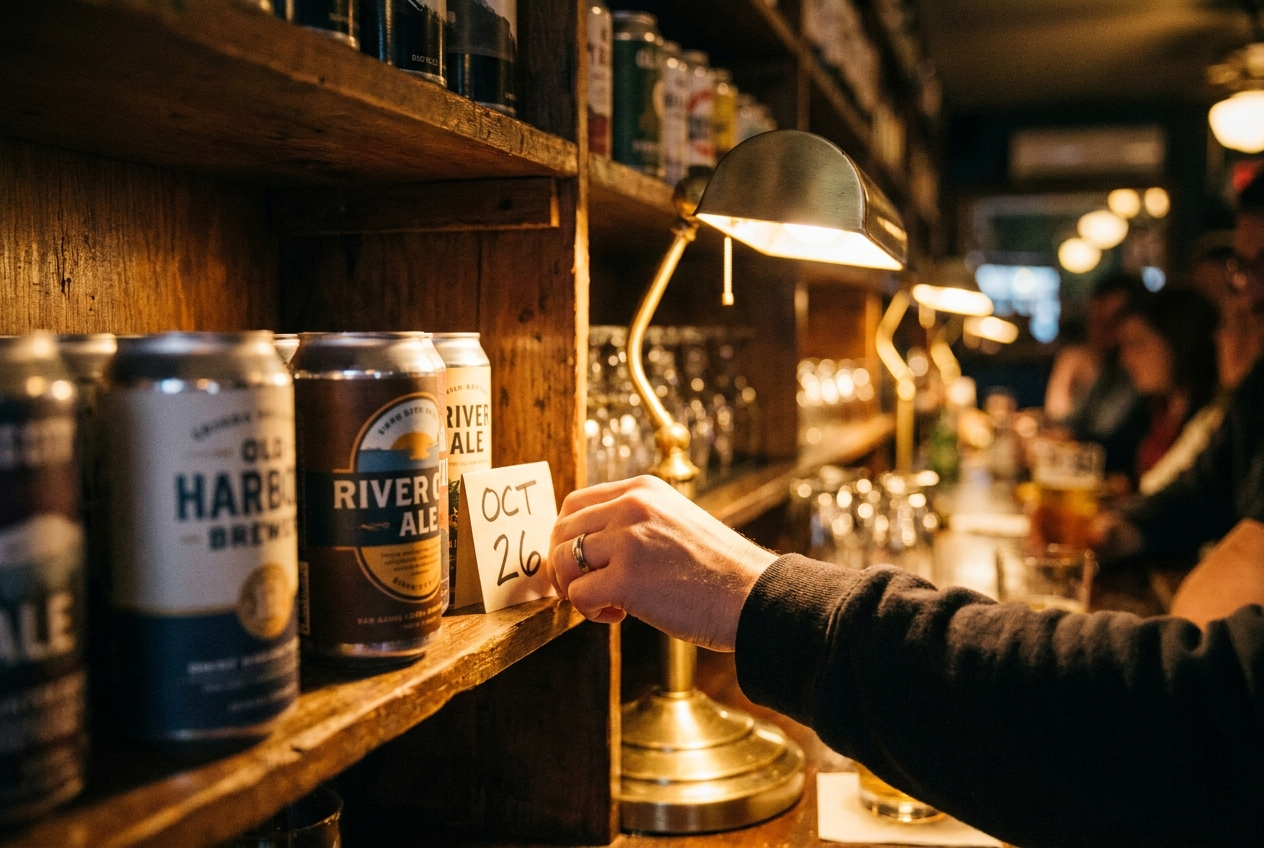
That best-by date stamped on the bottom of your can isn’t a safety cutoff. Beer is one of the more stable beverages around. The alcohol content and the brewing process itself make it inhospitable to the kind of bacteria that spoil food. What the date is really telling you is when the brewery expects the beer to taste the way they intended it to. After that, nothing dangerous happens. Something quieter does: the beer changes.
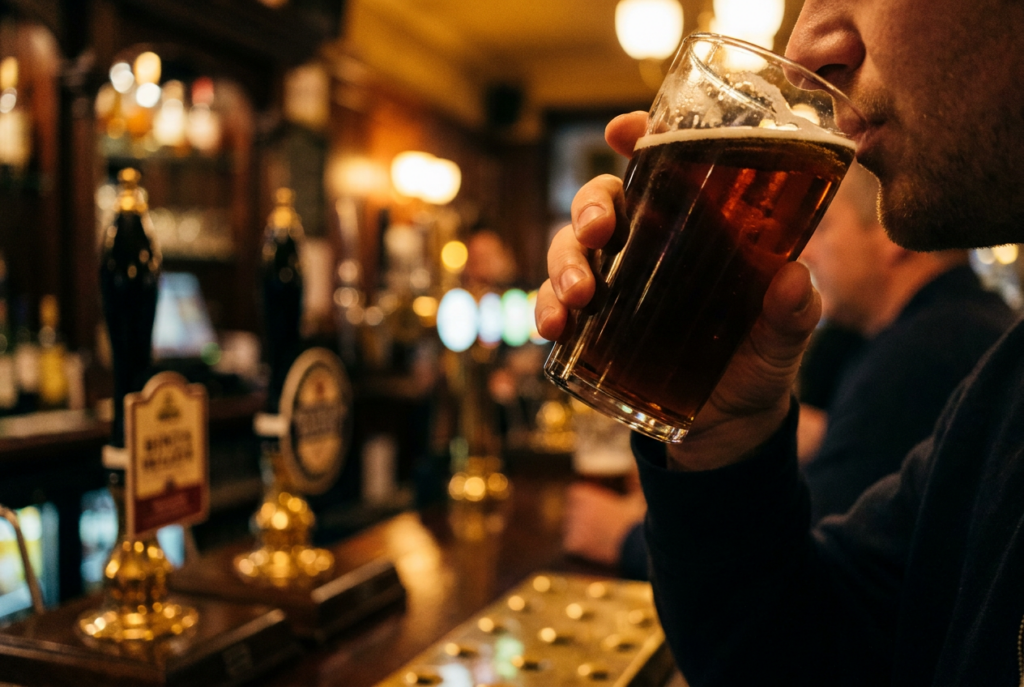
Hops are the first thing to go. That grapefruit peel, pine resin and tropical mango character you get from a fresh IPA comes from volatile hop oils, and “volatile” is the operative word. They break down and drift away within weeks of packaging, even in a can that’s never been opened. The bitterness softens too, so an IPA that tasted sharp and citrusy at release can taste flat and vaguely sweet six months later. This is why hop-forward styles have such a short shelf life compared to almost everything else in the beer world, and why breweries increasingly print “drink fresh” dates rather than standard best-by dates.
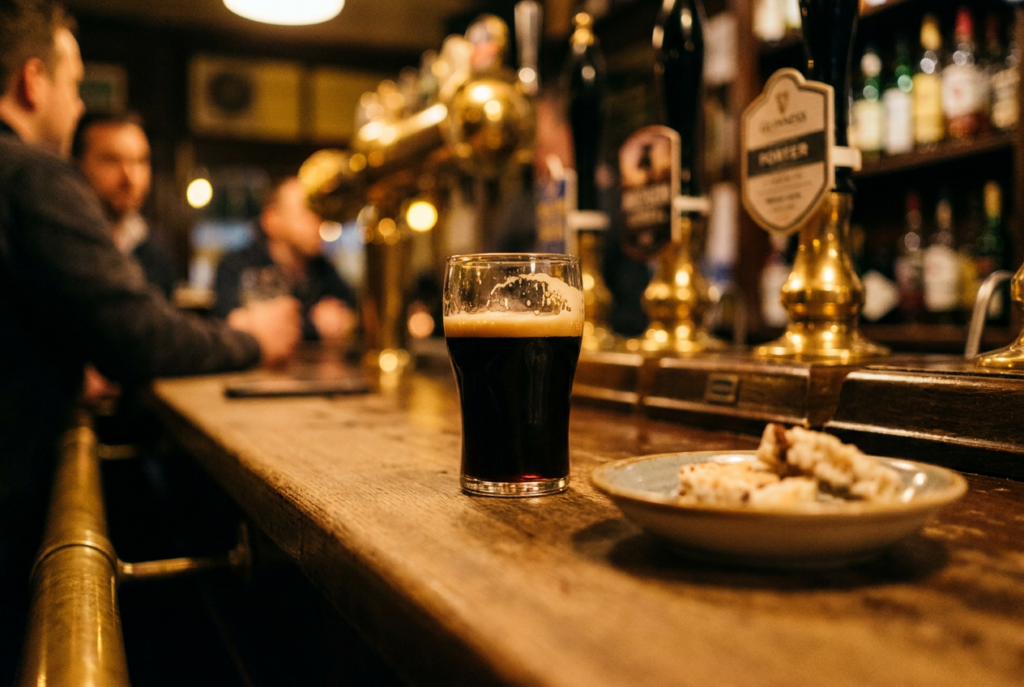
Malt-forward and higher-alcohol styles behave differently. Stouts, porters, barleywines and old ales carry flavours from roasted grain, dark chocolate, toffee, dried fruit, sometimes a faint smokiness, and those compounds are far more stable than hop oils. Given time, some of these beers develop new characteristics: sherry-like oxidative notes, a rounder mouthfeel, deeper caramelisation. A well-made imperial stout at eighteen months can taste noticeably different from the same beer at release, and not necessarily worse. This is closer to how a wine cellar works than anything most drinkers associate with beer.
Two things accelerate every one of these shifts: light and oxygen. UV exposure breaks down the compounds in hops that create that skunky, unpleasant aroma some drinkers call “lightstruck,” which is exactly why most beer is sold in brown bottles, cans, or kept away from direct sun on a shelf. Oxygen works more slowly but just as surely, seeping in through bottle caps and slightly permeable packaging over time and pushing flavours toward cardboard-like staleness in delicate styles, or toward those sherry-like notes in bigger, boozier ones.
Check the packaging date before you check anything else, especially with hop-forward styles. A can of pale ale six months past its printed date has likely lost most of what made it exciting in the first place. Store beer somewhere cool and dark rather than on a sunlit counter or in a hot car boot, and drink hoppy styles as close to their packaging date as you reasonably can. Bigger, malt-driven beers are far more forgiving, and a few are genuinely built to be tucked away and revisited later.
If you want to taste the difference hop freshness makes without any guesswork, a closer look at how draft beer is served in Singapore is worth a read. Draft lines are one of the more reliable ways to get hop character at its peak, since the beer moves from keg to glass with far less time for those aromas to fade.
A beer that’s changed since release isn’t automatically a beer gone wrong. An IPA past its window will taste duller than the brewer intended, but a well-cellared stout might be showing you something the brewer only half-expected. The honest answer is to know which kind of beer you’re holding, then treat it accordingly.
Curious where to taste that difference for yourself? Craft Beer by Ki-setsu’s rotating selection swaps in new hop-forward and malt-forward styles regularly, so there’s always something worth comparing side by side. If you’re nearby, it’s a craft beer bar worth visiting if you want to taste a fresh IPA against something with a bit more age on it and decide for yourself which you prefer.