FOOD PAIRING
01
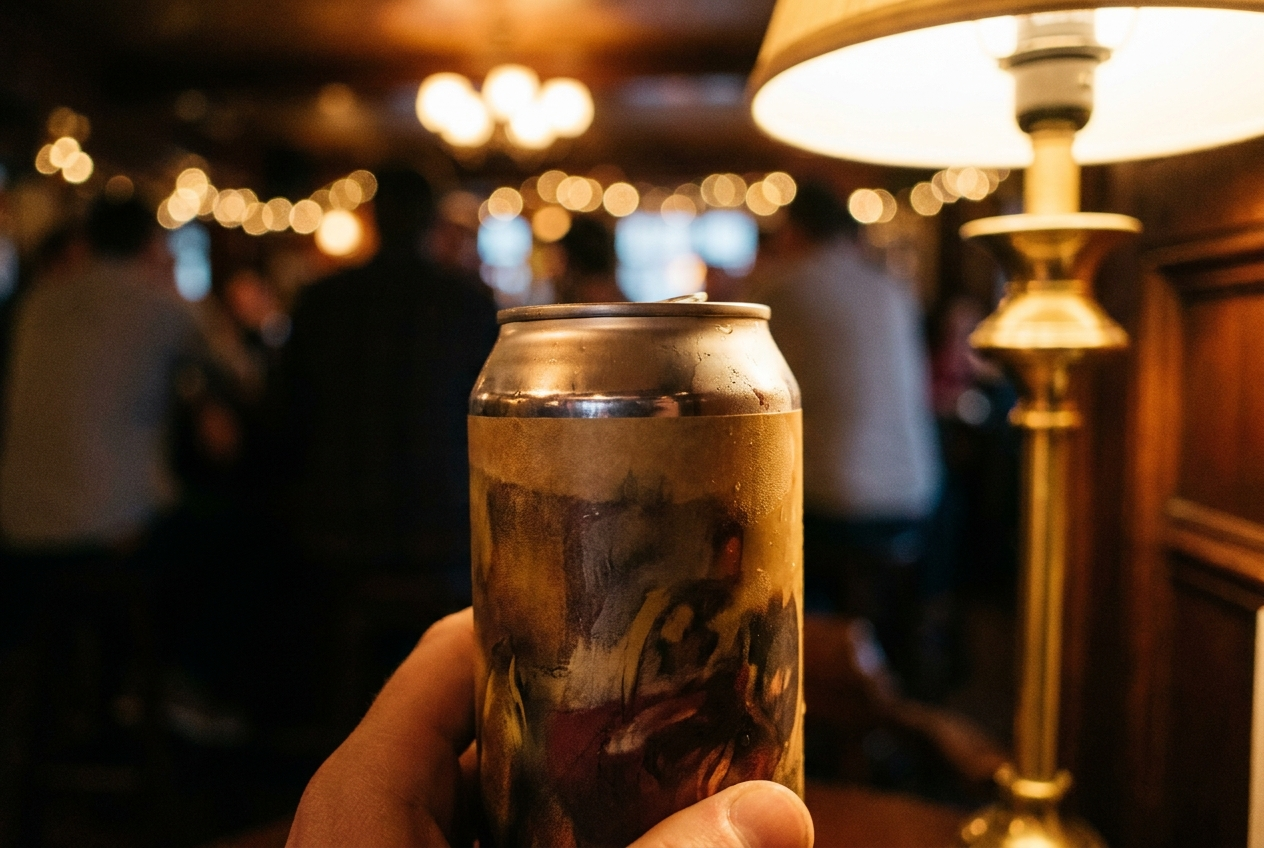
ABV stands for alcohol by volume – the percentage of a beer’s total volume that’s pure alcohol. A beer with 5% ABV is 5% alcohol, 95% everything else (water, malt sugars, hops, yeast byproducts). It’s printed on every bottle and can, and it’s the fastest way to compare how strong two beers actually are, regardless of colour or style.
That number on the label isn’t decoration. It’s a legal requirement, and it’s also the single most useful piece of information on the can if you’re trying to figure out how a night is going to go.
ABV is a straightforward measurement: the percentage of a beer’s total volume made up of pure alcohol. Nothing more mystical than that. A 330ml can at 5% ABV contains 16.5ml of pure alcohol. A 330ml can at 8% ABV contains 26.4ml. Same size can, noticeably different amount of alcohol inside it.
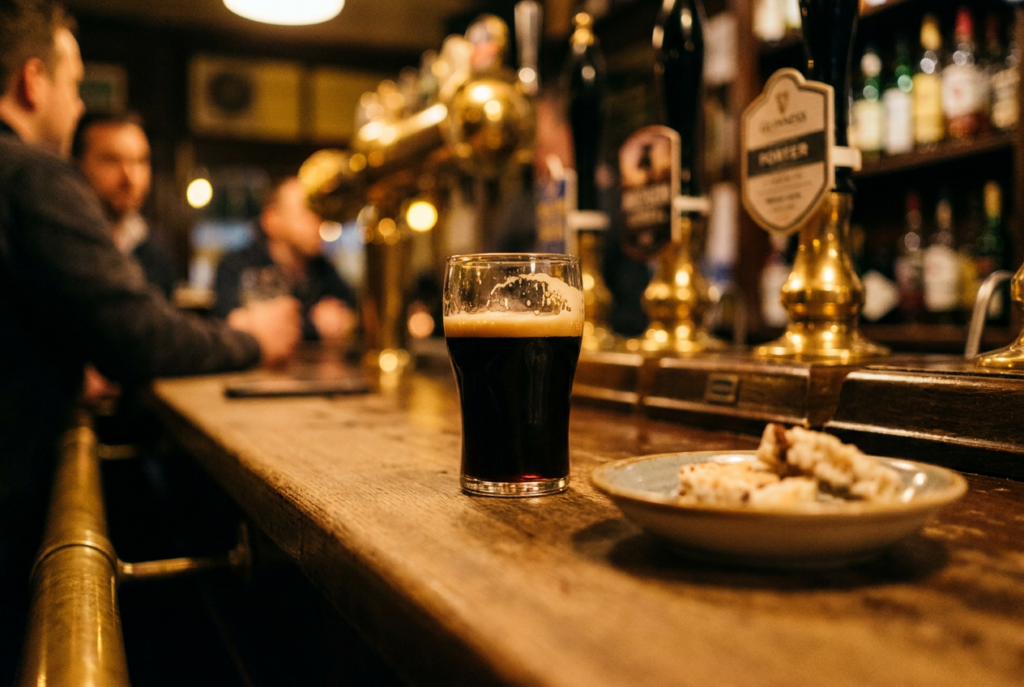
This is why ABV matters more than colour, more than the word “stout” on the label, more than whatever the tap handle looks like. A pale, straw-coloured beer can carry a higher ABV than a dark, roasty one sitting right next to it on the shelf.
ABV is required on beer packaging, and you’ll typically find it listed on a bar or restaurant’s menu too, usually in small type next to the beer’s name. That’s not just a regulatory box-tick. It’s there because ABV is the fastest way to compare relative strength across different beers, independent of style or colour.
Ask for a “light” beer at one bar and a “light” beer somewhere else, and you might get two completely different strengths. Ask for the ABV, and you get a number you can actually compare. If you’re choosing between four beers on a menu and you want to know which one is going to hit hardest, skip the tasting notes for a second and go straight to the percentage.
Session beers tend to sit at the lower end, built to be drunk over a longer stretch without the night getting away from you. Standard styles sit in the middle, which covers most of what you’ll find on a typical tap list. Imperial and strong styles sit noticeably higher, and they’re built differently on purpose. A round of those goes further, faster, than a round of session beers, even if you’re only counting glasses and not percentages.
Not necessarily. A low-ABV beer isn’t automatically a low-flavour beer. Strength and flavour intensity are related but separate qualities, and it’s worth keeping those two things apart when you’re choosing what to order.
Hop character, roasted malt, fruit, spice, funk from the yeast – all of that can show up in a beer sitting at 4% just as easily as one sitting at 9%. What ABV tells you is how much alcohol is in the glass. It doesn’t tell you whether the beer is going to taste like grapefruit peel and pine, or dark chocolate and a little smoke. Those are two different questions, and a good bar staff should be able to answer both.
ABV adds up faster than most people expect, especially once you’re mixing styles across a session rather than sticking to one. A couple of imperial-strength pours can quietly outweigh what feels like “just a few beers” on the tally. Before ordering your next round, it’s worth glancing at the percentage next to the name, not just the description above it.
If you’re after that in person, Craft Beer by Ki-setsu keeps a rotating list where the ABV sits right there on the menu next to every option. Start with something in the middle of the range, like Craft Beer by Ki-setsu’s draft Pilsner, and build the next round from there once you know how the first one is sitting with you.