FOOD PAIRING
01
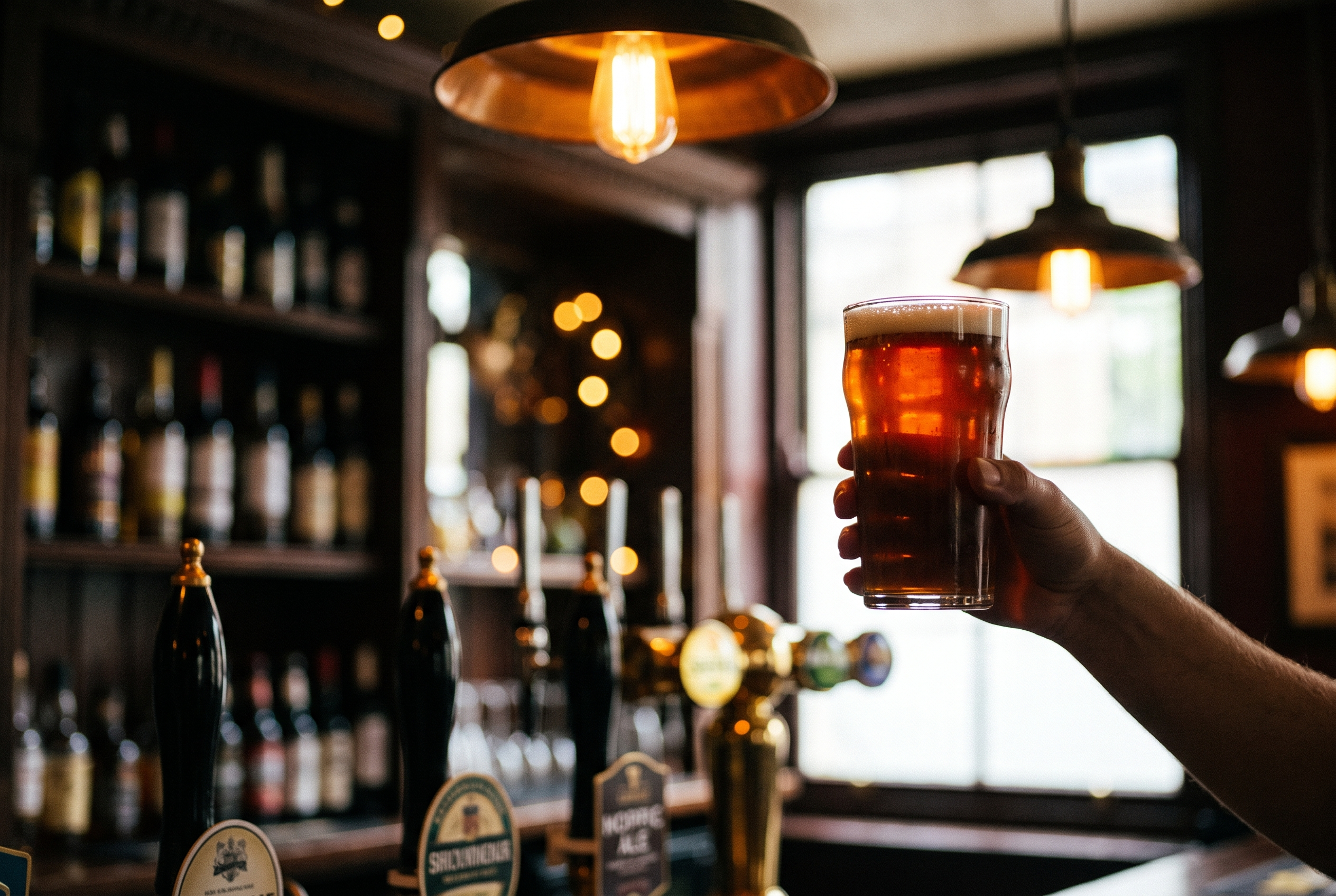
IBU (International Bitterness Units) is a lab measurement of the concentration of bittering compounds that hops contribute to a beer. It’s a straightforward chemistry number, not a taste score. A beer with a high IBU can still taste mellow if it carries enough malt sweetness to balance it out, which is why IBU works best as a starting point rather than a promise of how bitter a pint will actually feel on your tongue.
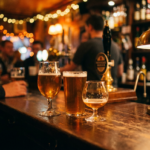
Order two pints side by side, a pale lager and an IPA, and you’ll notice the IPA hits harder on the back of the tongue, almost peppery. That sensation traces back to hops, and specifically to how much of their bittering compounds made it into the glass. IBU is the number brewers use to track that.
IBU measures the concentration of bittering compounds derived from hops in a beer. Hops contain acids that, once boiled, break down and dissolve into the wort, adding bitterness to counteract the sweetness of the malt. The higher the concentration of those compounds, the higher the IBU reading.
It’s a chemistry measurement, taken with lab equipment, not a panel of tasters scoring a beer on how bitter it feels. That distinction matters more than it sounds, and we’ll get to why shortly.
Every style sits on a different part of the IBU scale, and that range is baked into how the style is defined. Light, easy-drinking lagers sit toward the low end, built for a clean, fast finish rather than a lingering bitter edge. IPAs climb much higher up the scale, and American IPA typically falls in a roughly 40–70 IBU range according to BJCP style guidelines, sitting well above lighter lager styles. Push further into imperial IPA territory, and the numbers climb higher still, chasing an even more assertive hop presence.
If you’re the kind of drinker who orders by IBU number alone, this range gives you a rough map of where a style should land. It’s a decent starting point for exploring craft beer here in Singapore, especially if you’re working out which end of the hop spectrum suits your palate.
Not necessarily, and this is the part most drinkers miss. IBU measures chemical bitterness levels, not perceived bitterness. A beer loaded with residual sugar can carry a genuinely high IBU number while tasting far gentler than the label suggests, because that sweetness is working overtime to soften the hop bite. Meanwhile, a drier beer with a modest IBU count can taste sharper than the number implies, simply because there’s nothing sweet standing in the way.
Think of it less as a bitterness dial and more as one ingredient in a much bigger flavour equation. Malt character, yeast, and even carbonation all shape how bitterness actually lands in the mouth.
IBU is a useful shorthand once you understand what it’s actually telling you: a chemistry reading, not a verdict on taste. Treat the number as a rough compass rather than a fixed rule, and pay just as much attention to malt sweetness, body, and style when deciding what to order next.
If you’d rather taste your way through the bitterness scale than calculate it, drop by an easygoing craft beer bar and izakaya in Singapore and ask the team to line up a lager next to something further along the hop spectrum. And if draft is more your speed, this guide to draft beer is worth a read before your next visit.